
Market reaction
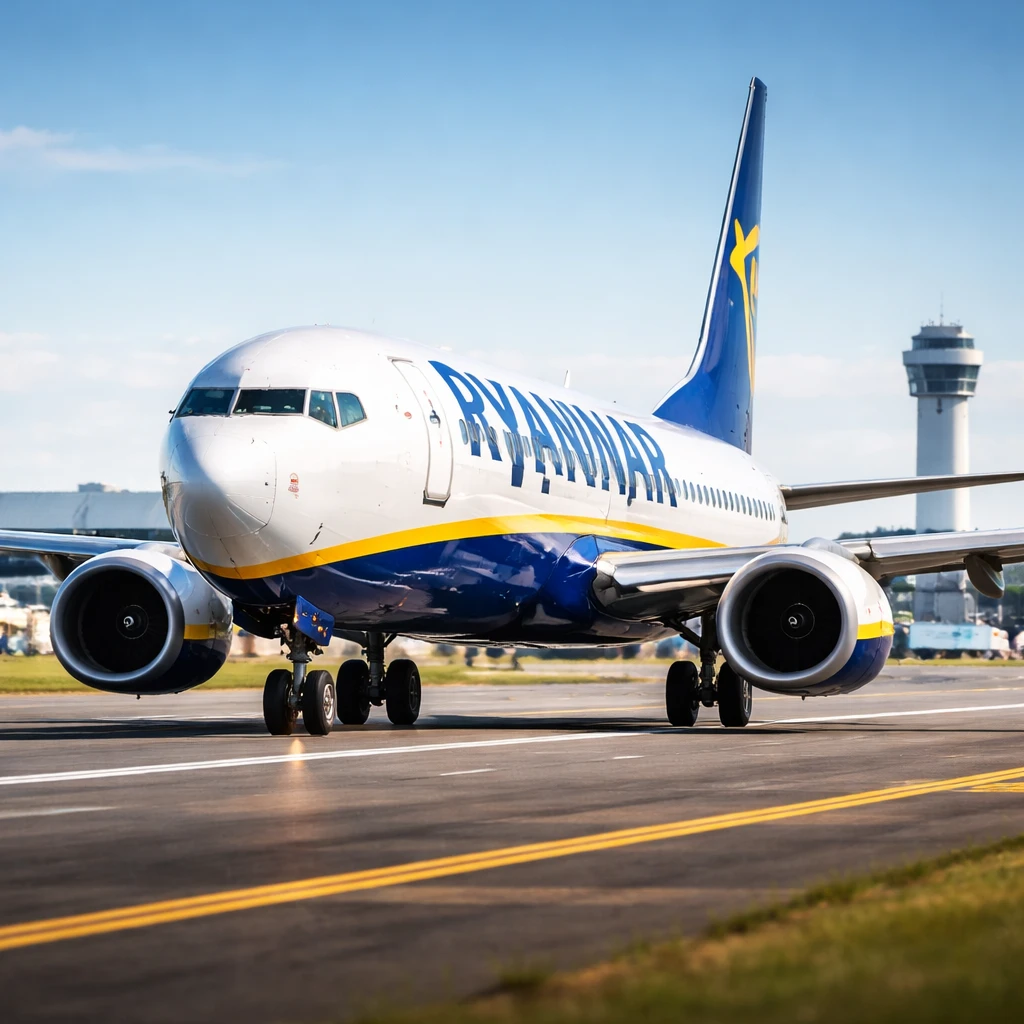
Shares of Ryanair Holdings PLC climbed 8.2% to trade at €26.01 following a US-Iran ceasefire announcement that set off a broad relief rally in the global airline sector. The announcement removed a primary geopolitical pressure point - the closure of the Strait of Hormuz - that had pushed jet fuel prices sharply higher, and investors moved quickly to unwind the fuel-cost risk premium that had weighed on airline equities for weeks.
Why fuel mattered
The removal of immediate Strait of Hormuz closure risk translated into improved cost visibility for carriers, since fuel had been the most pressing concern for the industry. With jet fuel prices under less upward pressure, airlines faced a clearer short-term outlook on operating costs, which in turn contributed to a rapid re-rating across the sector.
Ryanair's fundamentals
Ryanair entered the session with a solid fundamental position that allowed it to absorb the positive re-rating. The company reported a record full-year profit after tax of €2.26 billion, an increase of 40% year-on-year. Group revenue rose 11% to €15.54 billion, supported by a 4% increase in traffic to 208.4 million passengers.
Management also disclosed a significant hedging position: 80% of the airline's jet fuel requirements are hedged at $67 per barrel. That level of hedging makes Ryanair more insulated from fuel-price spikes than many of its European rivals, a structural advantage that helped underpin investor confidence during the rally.
Analyst and market context
Bernstein maintained its Buy/Outperform rating on the stock as recently as June 8, preserving an institutional endorsement that likely supported buying interest. The sector-wide nature of the rally is underscored by the fact that Ryanair's main low-cost competitors, easyJet and Wizz Air, faced the same fuel-cost headwinds, so the ceasefire-driven relief proved to be a common catalyst rather than one unique to Ryanair.
Broader equity backdrop
The airline-specific rally occurred alongside a wider risk-on move in global equities. The S&P 500 rose 1.8%, the NASDAQ climbed 2.5%, and the Dow Jones gained 1.9%, providing a powerful additional tailwind to cost-sensitive, cyclical sectors such as aviation.
Price context
The combination of the geopolitical development, Ryanair's hedging position, record profitability, and the positive global equity environment produced one of the sharper single-session gains for the stock in recent months, lifting shares to €26.01. That level sits comfortably above the 52-week low of €21.12, while remaining below the 52-week high of €30.15.
Key points
- Ryanair shares gained 8.2% to €26.01 after a US-Iran ceasefire spurred a relief rally across airlines.
- The carrier reported a record full-year profit after tax of €2.26 billion, with revenue of €15.54 billion and 208.4 million passengers.
- Management has hedged 80% of jet fuel needs at $67 per barrel, reducing exposure to fuel-price spikes.
Risks and uncertainties
- Geopolitical risk - The rally was triggered by a specific ceasefire announcement; any reversal or further escalation could restore fuel-cost pressure on the sector.
- Sector sensitivity - EasyJet and Wizz Air face the same fuel-cost dynamics, so sector-wide shocks would affect multiple carriers and constrain relative outperformance.