
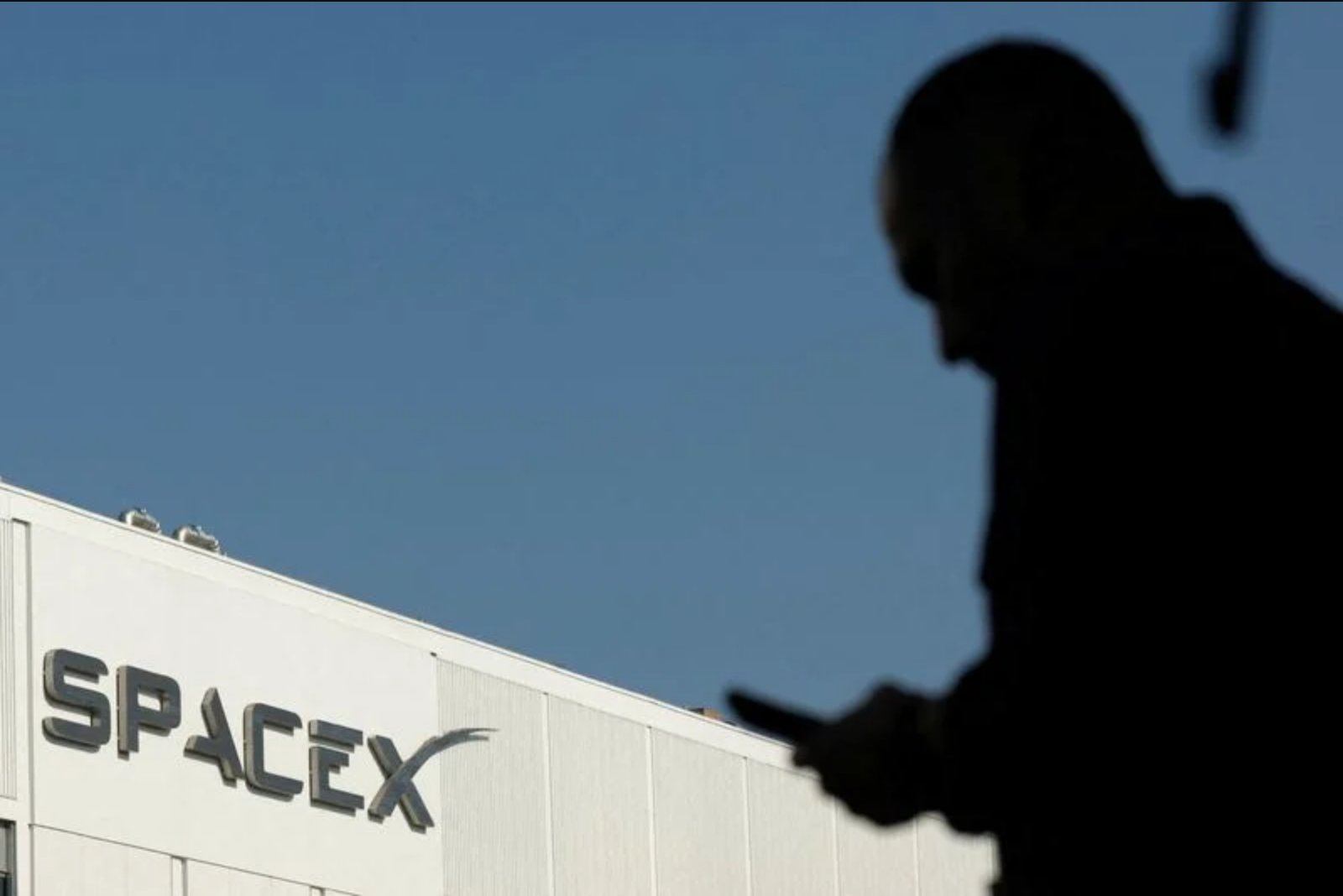
SpaceX is poised to be a focal point of trading activity on Friday as the company is slated for inclusion in FTSE Russell's U.S. indexes following the close of trading. That move, part of the semi-annual Russell reconstitution, obliges passively managed exchange-traded funds that replicate those benchmarks to add SpaceX shares to their portfolios.
The requirement to buy shares to match index weights often concentrates purchases in a short interval near the close of trading, as fund managers seek to limit tracking error - the deviation between a fund's performance and that of its benchmark that can occur if their execution price diverges from the official close. Market participants expect the Russell-driven flows to take place in such a narrow window on Friday.
SpaceX's market performance since its blockbuster initial public offering earlier this month has been volatile. The stock climbed 67 percent to an intraday peak of $225.64 on June 16 before falling back to a $153 closing price on Thursday. That closing price remains well above the $135 IPO price as investors wrestle with valuing a company that reported a $4.9 billion loss last year yet is viewed by backers as a potential leader across satellite internet, artificial intelligence and commercial launch services over the coming decade.
Despite a headline market capitalization of about $2 trillion - a size that places SpaceX in the same general league as some of the largest technology firms - only roughly $100 billion of its equity has been listed for public trading. The bulk of the company remains held by Elon Musk, other insiders and employees. Jefferies estimated in a recent report that passively managed funds tracking the Russell indexes will need to buy nearly $3 billion of SpaceX shares to align their portfolios with the index composition.
Those required purchases could create pressure as the closing auction approaches, though some market signals do not show extreme positioning. Options contracts on SpaceX that expire on Friday are implying a share-price movement of about 3.6 percent in either direction through the end of the week, according to Trade Alert data. Separately, options positioning overall appeared muted.
Adding to the sources of demand, SpaceX is also scheduled for inclusion in the Nasdaq 100 in July, which will compel large index funds that track that technology-heavy benchmark - including the Invesco QQQ ETF - to acquire its shares. The combined effect of successive index inclusions and ongoing passive demand has the potential to concentrate buying interest across multiple windows.
Market valuations for SpaceX are steep by common multiples. After its recent pullback, the stock is trading at about 107 times its projected 2025 sales, a multiple described in public commentary as astronomical. For comparison in recent market discussions, another major technology company traded near 21 times sales.
Not all major indices will be absorbing SpaceX. S&P Global said this month it would not alter the inclusion rules for the S&P 500 to accommodate very large initial public offerings, and as a result it blocked SpaceX from joining that index. One of the S&P 500 rules left intact requires a company to be profitable in its most recent quarter and also profitable for the sum of its most recent four quarters.
Historical precedent shows that index additions can trigger concentrated buying late in the trading day. The S&P 500 addition of another Musk company, Tesla, in 2020 produced a closing squeeze that lifted the stock by about 6 percent on the inclusion day.
Implications for markets
- ETFs that track the Russell family of indexes and the Nasdaq 100 are the immediate channels through which structured passive demand will reach SpaceX shares.
- Sectors directly affected include satellite internet, commercial launch services and technology-focused funds, given SpaceX's positioning and the indexes involved.
- Options markets show modest implied short-term movement expectations while ultimate price direction will be influenced by concentrated closing-auction flows.
Context and limitations
The company remains loss-making on a trailing basis, a fact that excludes it from S&P 500 inclusion under current S&P Global rules. The scale of listed float relative to overall market capitalization concentrates the available shares for passive buyers. If information about flows or execution differs in real time, outcomes could vary; this article reports the positioning and index schedules as stated publicly.