
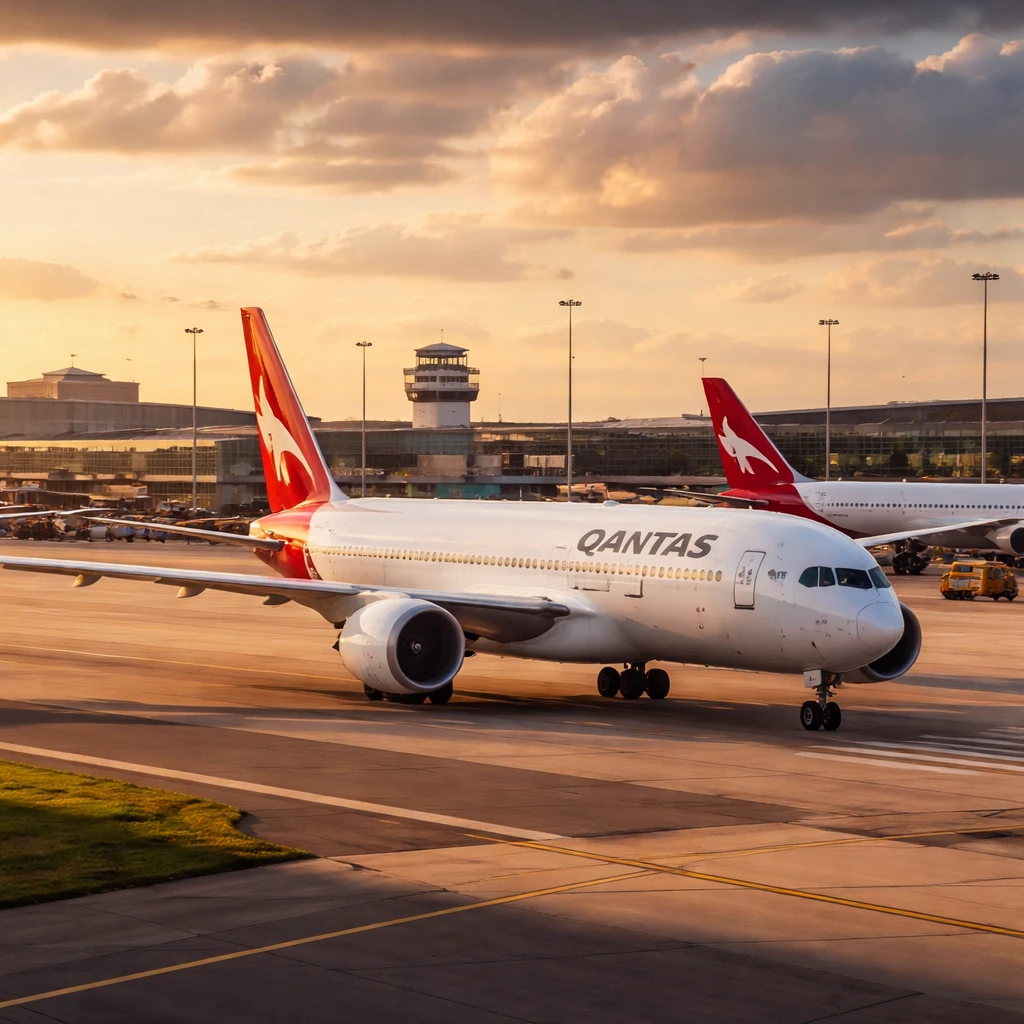
Qantas Airways shares rose 3.1% to A$9.51 following the release of its annual results, a reaction the market described as relief after several weeks of pressure on the stock. The airline reported an underlying profit before tax (PBT) of A$2.06 billion, down 14% from the prior year but modestly ahead of the A$2.00 billion analyst consensus tracked by Visible Alpha.
Investors had been focused on rising operating costs heading into the report, with management and analysts highlighting jet fuel as the principal near-term risk. The company said jet fuel costs more than doubled in the second half, a rise that was widely flagged as the central concern prior to the earnings announcement.
Several items in the results helped sentiment. The Board approved a fully franked final base dividend of 19.8 Australian cents per share. Qantas Loyalty posted 12% growth in both revenue and earnings, underlining the higher-margin profile of the loyalty business within the group. The airline also recorded the delivery of 17 new aircraft during the financial year and was ranked the most on-time carrier in the world in June.
On fleet strategy, Qantas confirmed it will begin retiring its A380 superjumbos from 2028, moving forward the exit by four years relative to previous plans. The company said it is in active discussions with Airbus and Boeing about converting 20 options into firm orders for A350 and 787 aircraft from 2030. Separately, Qantas will not proceed with the previously announced A$150 million on-market share buyback.
The share price movement helped Qantas recover from a broader market decline, with the stock rising despite a 0.7% drop in the ASX 200 on the same day. The modest beat on the consensus PBT figure and the accompanying corporate actions appear to have been sufficient to trigger the rebound.
Summary
Qantas reported A$2.06 billion underlying PBT, marginally above the A$2.00 billion consensus. The stock climbed 3.1% to A$9.51 amid signs of resilience in high-margin loyalty revenue and confirmation of fleet deliveries, while sharply higher jet fuel costs in the second half remained the main concern.
Key points
- Underlying PBT of A$2.06 billion - down 14% year-on-year but slightly above the A$2.00 billion consensus. (Impacts: Airlines, Transport sector)
- Board approved a fully franked final base dividend of 19.8 cents; Qantas Loyalty posted 12% revenue and earnings growth. (Impacts: Financial returns to shareholders; Loyalty and consumer services)
- Fleet activity: 17 new aircraft delivered; A380 retirements to start in 2028; discussions to convert 20 options to A350s and 787s from 2030. (Impacts: Aerospace suppliers, Capital expenditure planning)
Risks and uncertainties
- Sharp increase in jet fuel costs - fuel costs more than doubled in the second half due to Middle East conflict, representing a material input-cost risk for airline margins. (Affected sectors: Airlines, Oil and gas)
- Cancellation of the A$150 million on-market buyback - shareholders will not receive the previously signalled buyback, which could affect near-term capital returns. (Affected sectors: Equity investors, Financial markets)
- Fleet transition timing - early retirement of A380s and conversion discussions for future widebodies introduce execution and timing uncertainty around capital commitments and delivery schedules. (Affected sectors: Aerospace, Airline operations)