
Draft IPO documents indicate that OpenAI received warrants in SB Energy valued at about $5.5 billion as part of a commercial arrangement to secure the company as a tenant for future data-center capacity. The warrants were originally assigned a valuation of $3.6 billion in January and appreciated to approximately $5.5 billion by the end of June, according to those filings.
SB Energy is majority-owned by SoftBank Group (TYO:9984) and is moving toward an initial public offering that could raise between $5 billion and $7 billion as soon as next month, based on the draft materials. Separate disclosures show OpenAI also made a $500 million equity investment in SB Energy earlier this year and is expected to hold a single-digit ownership stake after the public offering.
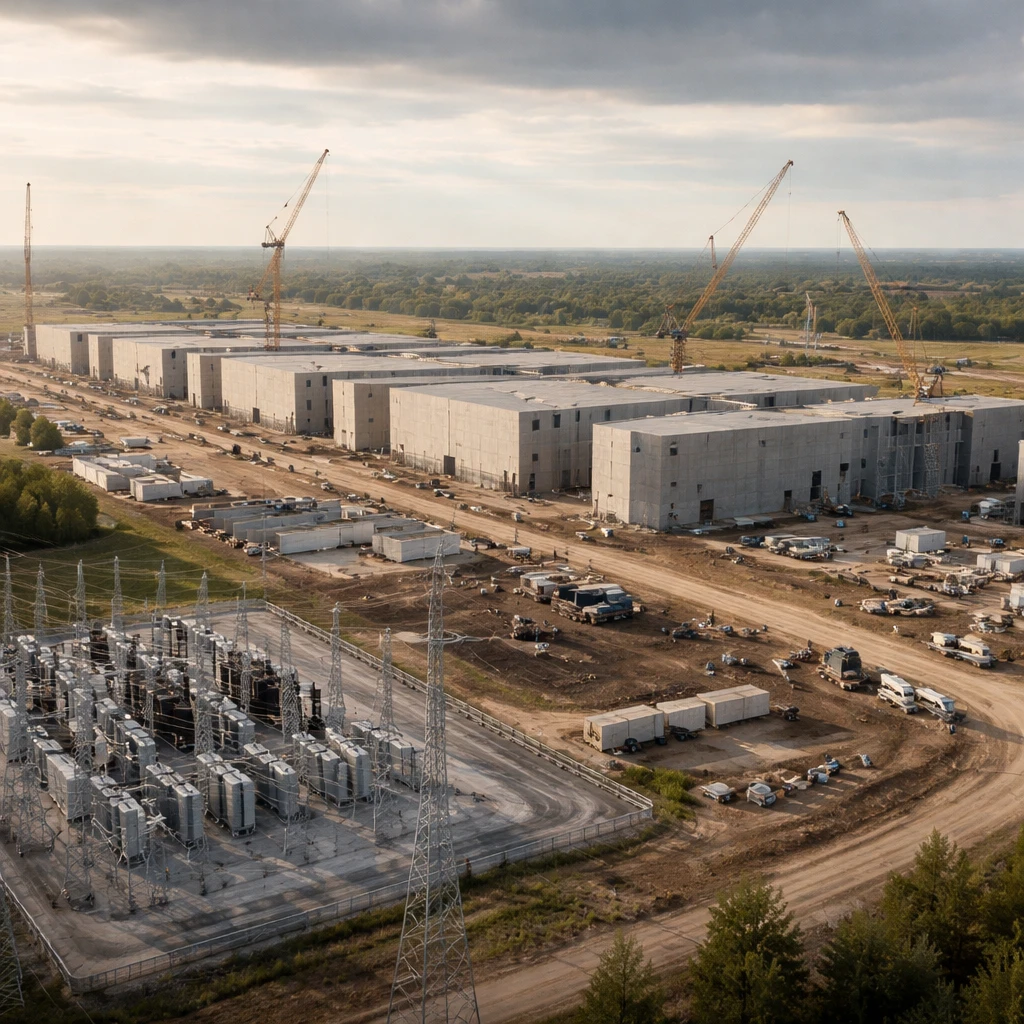
The company’s prospective data-center customer roster includes both SoftBank and OpenAI. OpenAI has entered into 17 leases that collectively cover roughly eight gigawatts of computing capacity at SB Energy’s planned campus in southern Ohio, the filings state.
SB Energy reports it has nearly nine gigawatts of contracted computing capacity overall, yet the company does not have operational data centers at this stage. The data-center unit is expected to disclose a contracted backlog in excess of $400 billion in its reporting.
Company filings also flag concentration risk tied to OpenAI, noting SB Energy remains substantially dependent on that tenant. In addition, semiconductor company Nvidia has committed $3 billion through private transactions associated with the planned IPO, according to the same draft documents.
Context and implications within the filings
The draft IPO documents present a picture of SB Energy as a company with large contracted commitments for computing capacity but without operational facilities yet in service. The combination of sizeable warrants issued to a key customer, a prior equity injection and concentrated lease exposure to a single major tenant are highlighted within the disclosures filed for the proposed public offering.
The filings show financial linkages to major technology players and underline how the company’s near-term public financing plans and reported backlog connect to those relationships.