
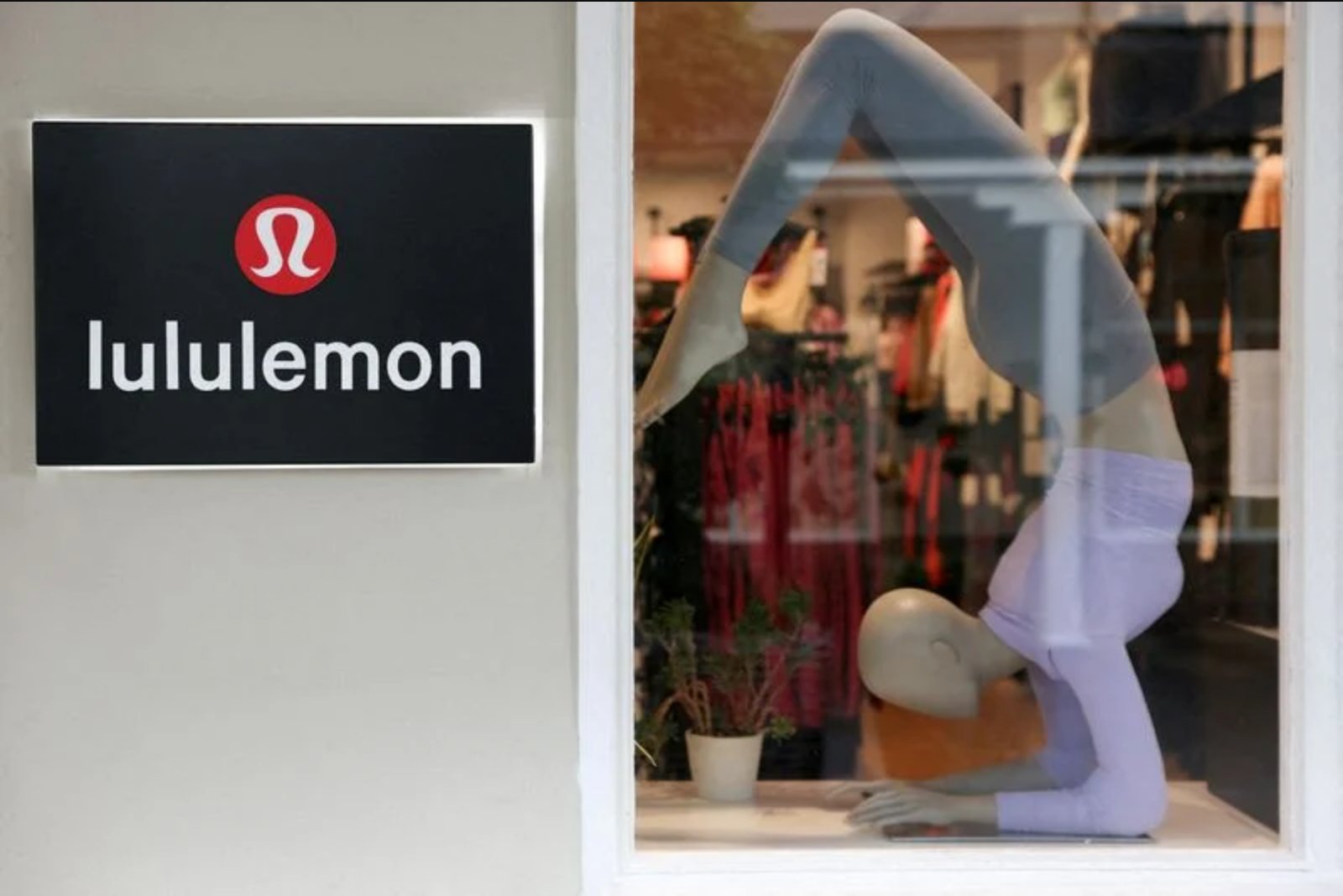
Shareholders of Lululemon have approved a slate of directors supported by the company’s management team, installing three new board members and formalizing a negotiated settlement with founder Chip Wilson that had been brokered last month.
The closed-door vote on Thursday brought on former Levi Strauss chief Chip Bergh, Unilever marketing executive Esi Eggleston Bracey and finance executive Teri List. The company said on Friday that two of Wilson’s nominees - Marc Maurer and Laura Gentile - will serve as independent directors, bringing the total board size to 11. A third director agreed to by both sides is scheduled to join the board by October 1, according to the terms of the truce.
Wilson, who holds about 8.6% of the company, had publicly clashed with management since December, creating a visible rift over strategy, leadership and the direction of the brand. As part of the settlement, Wilson has accepted an 18-month standstill on public criticism.
The combined outcome of the shareholder vote and the agreement offers Heidi O’Neill, the former Nike executive slated to take over as chief executive in September, more latitude to focus on operational priorities. Company leaders will now have room to concentrate on a broader reset intended to address product mix, brand positioning and market competition.
Lululemon is attempting a revival of its core business as competitors gain traction in the athleisure market. The company earlier this month projected the first quarterly decline in sales since the pandemic and warned of a margin squeeze driven by heavier discounting and tariff-related cost increases.
Market reaction has been severe over the past year: the stock has lost roughly half of its value in the last 12 months. Last year activist investor Elliott Investment Management acquired a roughly $1 billion stake and pushed for changes in leadership and strategy, including support for former Ralph Lauren executive Jane Nielsen as a potential CEO candidate. Elliott has not publicly commented on the settlement with Wilson.
Analysts have emphasized that Lululemon must regain its core customer base by delivering fresher product assortments and sharpening the brand’s positioning as rivals chip away at market share. Attention is also focused on the company’s $1.8 billion net cash position and decisions about how to deploy that capital.
Potential uses of the cash discussed by market observers include investment in new product categories, store upgrades and accelerated international expansion, although the company has not announced specific plans. For now, the board restructuring and the truce with Wilson remove a major source of public tension, giving management a clearer runway to address operational and competitive challenges.
Contextual notes: The board changes bring additional experience in brand building and corporate governance as the Vancouver-based company pursues a strategic reset. Shareholder approval of the management-backed slate and the inclusion of some of Wilson’s nominees reflect a negotiated settlement that balances founder input with new outside expertise.