
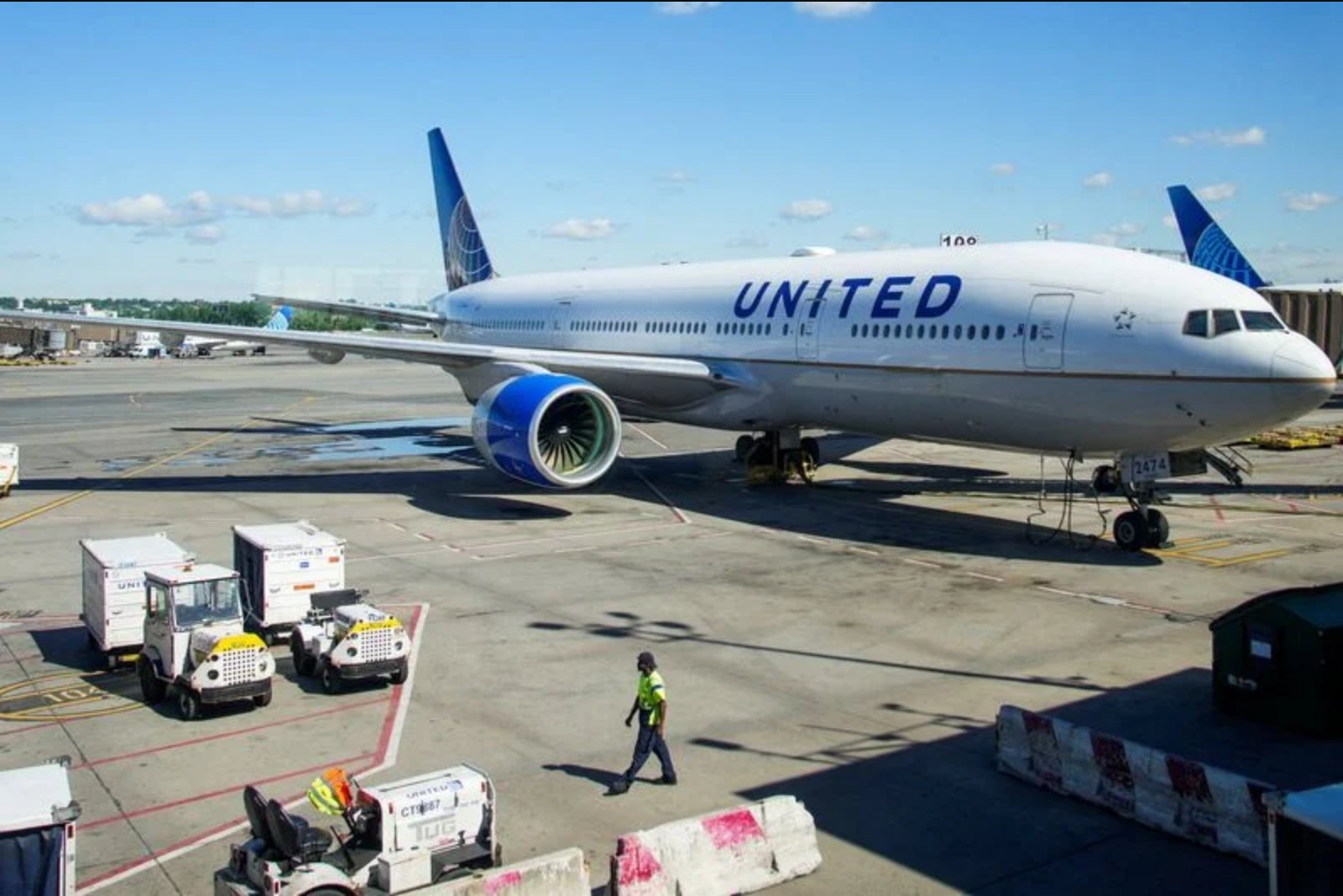
A federal judge in San Francisco on Monday declined to dismiss a lawsuit brought by airline passengers who allege they paid extra for window seats and discovered those seats had no windows.
U.S. District Judge James Donato rejected United Airlines' argument that the term "window" merely denotes the seat's position relative to the cabin wall and aisle, and that the carrier never contractually guaranteed that a seat in the window position would offer an exterior view.
The plaintiffs filed proposed class actions against both United and Delta Air Lines last August after encountering windowless seats on certain narrow-body aircraft models, including Boeing 737s, Boeing 757s and Airbus A321s. According to the complaints, the carriers did not clearly disclose during booking that some seats in the window position sit adjacent to interior walls rather than an opening to the outside.
The filings note that those interior walls can coincide with aircraft systems and components, such as air conditioning ducts, which result in no outside view for the passenger occupying the seat.
United, headquartered in Chicago, declined to comment on the litigation but provided a statement saying it has "added more detail to our seat selection process, so customers can have more information about what to expect when they choose a seat." Lawyers representing the passengers did not immediately reply to requests for comment.
Delta is facing a similar proposed class action and is seeking dismissal of that suit in federal court in Brooklyn, New York.
In the San Francisco case, Judge Donato also rejected United's contention that federal law preempted the passengers' claims under state law. He pointed to the carrier's own ticketing terms, boarding passes and reservation screens, saying they explicitly state that United would provide window seats to customers who paid for them. The judge added, "No more is needed at this stage for the breach claims to go forward."
Plaintiffs contend many travelers select and pay for window seats for reasons beyond aesthetics: to manage fear of flying and motion sickness, to occupy children, to gain greater access to light, or to enjoy the outside view. The two proposed class actions each seek millions of dollars in damages, with plaintiffs estimating more than 1 million affected passengers per carrier.
Context and implications
The decision to allow the breach claims to proceed focuses attention on how airlines present seat options to customers during the reservation process. The litigation raises questions about disclosure practices, potential consumer remedies, and how carriers document seat attributes in booking systems and on boarding materials.
What comes next
With the dismissal motion denied in San Francisco, the United case will move forward in the pretrial process. The Delta matter remains subject to its own motion to dismiss in Brooklyn. Both actions, if certified as class suits, would seek damages on behalf of large groups of passengers.