
Stock Markets July 23, 2026 10:00 AM

Google Introduces Selfie Video Option to Recover Locked Accounts

New camera-based sign-in provides an alternative path for users unable to access their usual devices

By Avery Klein
Share
Twitter Reddit Facebook LinkedIn
GOOGL

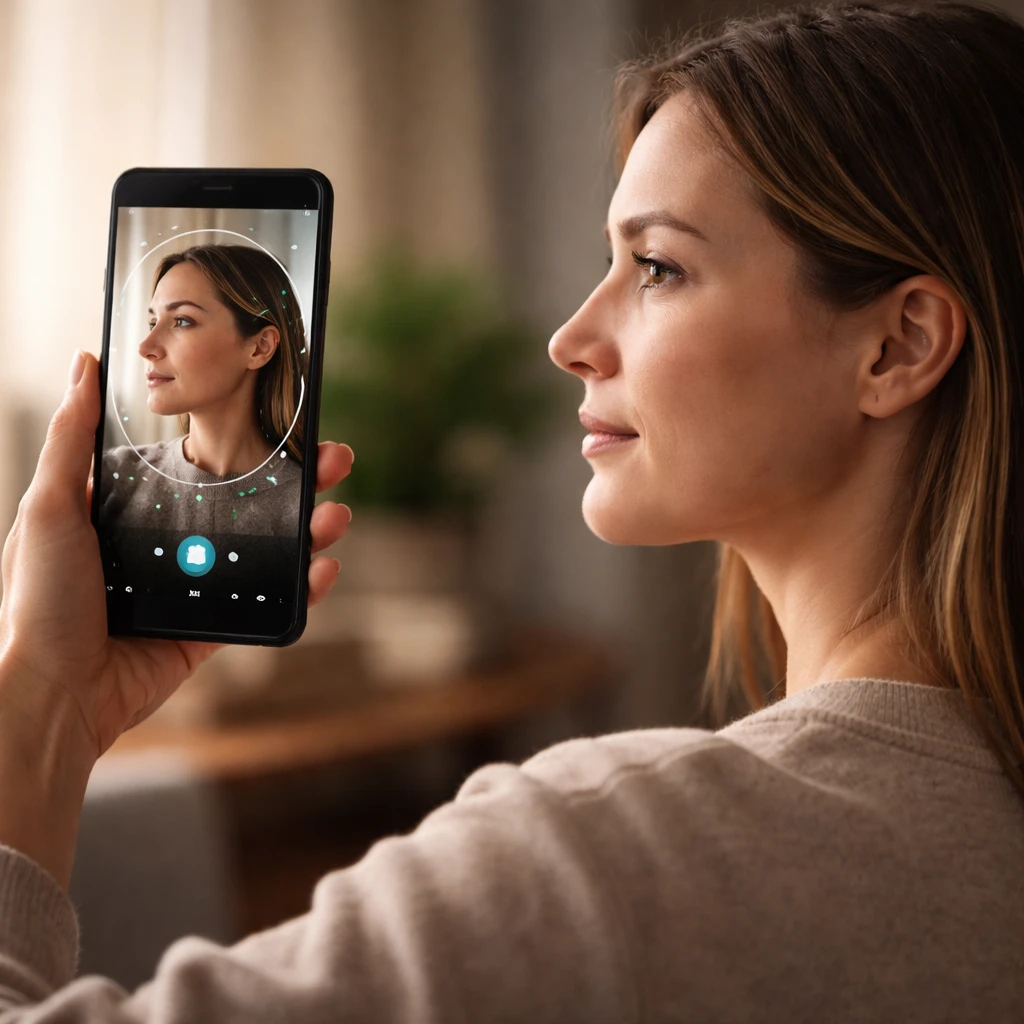
Google on Thursday unveiled a selfie video-based sign-in method for Google Accounts intended to help users regain access when they are locked out or cannot use their typical phone or computer. The system captures a guided multi-angle video during setup and compares a subsequent live selfie video at sign-in. Google says the video is encrypted at rest, stored only with consent, and can be deleted from account settings. The company also described multiple security measures designed to resist impersonation attempts including fake photos and deepfakes.

Google Introduces Selfie Video Option to Recover Locked Accounts
GOOGL
Summarize with
ChatGPT Perplexity Claude Grok Gemini

Key Points

  • Google unveiled a selfie video sign-in option to help users regain access to locked accounts or when they lack their usual device; setup requires guided head movements to capture multiple angles.
  • Stored selfie videos are encrypted at rest, retained only with user consent, and can be deleted from Google Account settings; videos are used only for sign-in unless the user permits other uses.
  • Security safeguards include multiple layers intended to block impersonation attempts such as fake photos and deepfakes; the system requires simple motions to demonstrate liveness. Relevant sectors include consumer technology and digital security services.

Google announced on Thursday that it is rolling out a new sign-in option for Google Accounts that uses a short selfie video to verify identity. The feature is intended as an alternative way to access accounts when users are locked out or do not have their usual phone or computer available.

During initial setup, the user is prompted to look into the device camera and follow guided head movements so the device can capture the face from multiple angles. At subsequent sign-ins, the user records another short selfie video, which the system compares to the stored reference video to confirm identity.

Data handling and user controls

Google stated the stored selfie video is encrypted at rest and retained only with the user’s consent. Account holders can remove the stored video at any time via their Google Account settings. According to the company, the video will be used solely for sign-in purposes unless a user explicitly opts to allow additional uses.

Security measures

The company said it employs multiple layers of security to reduce the risk of impersonation, including defenses against static fake photos and synthetically generated deepfakes. The sign-in flow requires users to perform simple movements during the verification video to establish that the recording is live and not a replay or a fabricated clip.

Google directs users to verify whether their account is eligible and to set up the feature at g.co/signin-selfie. The selfie video option will exist alongside other sign-in methods the company already offers, such as passkeys and recovery contacts.


Contextual note - The announcement describes how the feature functions and the controls available to users; it does not provide details here about which accounts will be eligible or a rollout timeline beyond the eligibility check referenced at the setup link.

Risks

  • Impersonation attempts remain a concern - Google specifically notes protections against fake photos and deepfakes, indicating the underlying risk to identity verification systems. This impacts authentication and cybersecurity services.
  • Not all accounts may be eligible - the company directs users to check eligibility, highlighting uncertainty about availability for particular users or account types. This affects consumer access and account recovery workflows.
  • Privacy considerations tied to storing biometric-like video - although Google says videos are stored with consent, encrypted at rest, and removable, retention and optional additional uses create potential privacy concerns for users and regulators in privacy-sensitive sectors.

More from Stock Markets

AMD Says Second-Generation Helios AI Servers Are in Full Production, Shipping by Quarter-End Jul 23, 2026 Tech Titans Slide as Magnificent 7 Lose $123.96 Billion in a Single Session Jul 23, 2026 Morgan Stanley Views Power-Rich Bitcoin Miners as Fastest Route to AI Data Center Capacity Jul 23, 2026 Albertsons Lowers Sales and Profit Targets, Boosts Price Investments as Shares Dive Jul 23, 2026 Blackstone outlines measures to ease environmental and community concerns around AI data centers Jul 23, 2026