
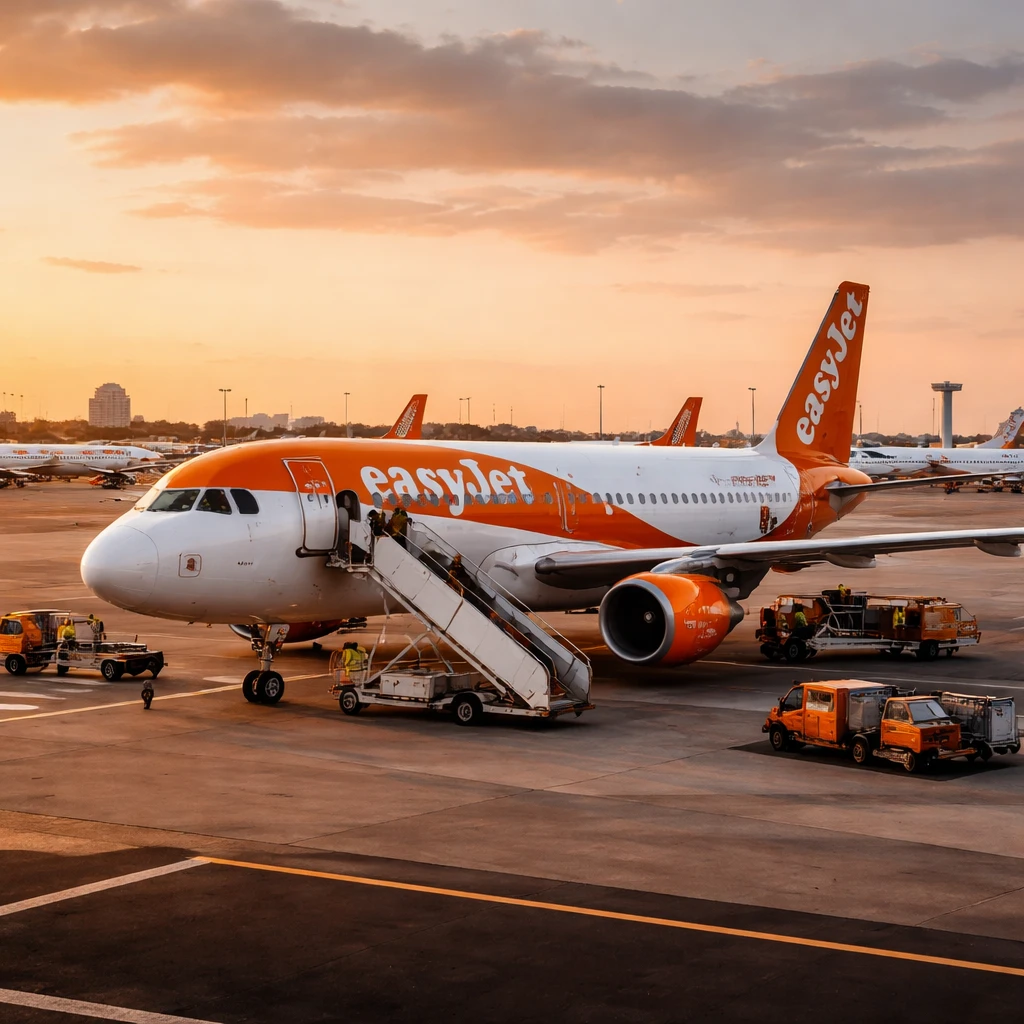
A U.S. buyout firm, Apollo Global Management, has agreed to take private European budget carrier easyJet in a transaction that places the airline’s value at roughly A35.7 billion (A37.7 billion), the companies announced on August 6. The agreement concludes a period of active interest from other suitors and a contested bidding process that unfolded over the summer.
A look back at easyJetE28099s history and the recent takeover drama
easyJet was founded in 1995 by Stelios Haji-Ioannou, launching initial flights from London Luton Airport to Glasgow and Edinburgh as a low-fare challenger to incumbent carriers. The airline listed on the London Stock Exchange in 2000 with a valuation of A3777 million. Over the following decade, easyJet faced strategic debates about fleet growth amid broader economic pressures: between 2009 and 2010 the carrier considered slowing fleet expansion during the global economic downturn, and founder Stelios stepped down from the board to lead a shareholder campaign opposing the pace of growth, ultimately failing to remove the incumbent management.
The COVID-19 pandemic in 2020 precipitated significant cutbacks for the airline, including 4,500 job losses and a reduction in fleet size. In 2021, easyJet rebuffed an approach from rival Wizz Air and secured $1.7 billion in fresh capital from existing shareholders.
More recently, the onset of the Iran conflict on February 28, 2026, created additional strain across the aviation sector. easyJet publicly cautioned that the conflict could drive higher airfares and contribute to fuel shortages, flagging an operational environment that has weighed on carriers globally.
The takeover sequence in 2026
- May 29, 2026 - Minneapolis-based aviation investor Castlelake disclosed it was considering an offer for easyJet. The airline characterized CastlelakeE28099s timing as "highly opportunistic."
- June 22, 2026 - Castlelake went public with a A36.25 per share offer, stating the bid structure would meet EU ownership requirements. That bid followed two private proposals at A35.60 and A36.00 per share. easyJet rejected all three offers, calling the latest proposal "cheap."
- July 5, 2026 - easyJet and Castlelake reported a deal in principle at A36.90 per share after CastlelakeE28099s fourth A36.50 per share approach had been earlier rejected. The agreed figure at that stage equated to a A35.5 billion fully diluted valuation.
- July 10, 2026 - Apollo entered the process with a higher proposal valuing easyJet at about A35.7 billion. easyJet indicated provisional support for the Apollo proposal and withdrew backing for Castlelake, prompting shares to climb as much as 15%.
- July 22, 2026 - easyJet shares dropped after a Reuters report suggested the European Union might toughen airline ownership rules, a development that could complicate takeover plans.
- August 6, 2026 - ApolloE28099s A35.7 billion (A37.7 billion) takeover was agreed and received backing from Stelios and the Haji-Ioannou family after Castlelake stepped away from the pursuit. The companies confirmed the transaction that day. The exchange reference rate cited was $1 = A30.7424.
Contextual market signals
The bidding process generated visible market responses. On July 10, when easyJet signaled support for ApolloE28099s higher offer, the airlineE28099s shares surged intraday by up to 15%. In data snapshots included in the coverage, easyJetE28099s ticker showed a positive move of 2.79% while ApolloE28099s trading reference noted a -1.63% change in the same presentation. Those shifts reflected investor reactions to bid developments and to regulatory uncertainty reported later in July.
What the sequence leaves on the table
The agreed bid from Apollo marks the culmination of a month-long contest among suitors for a major European low-cost carrier. The transaction is notable for its resolution through a higher-priced proposal supported by the airlineE28099s founder and family after spirited offers and rejections earlier in the summer. The outcome also intersects with ongoing sector challenges flagged by the airline, including pandemic-era restructuring and geopolitical shocks that have influenced fuel markets and capacity planning.
Note: This article reports the events and figures as disclosed by the parties and in public reporting on the takeover process.