
European equities pushed higher on Tuesday, rebounding from recent multi-week lows after the widely anticipated U.S. "economic D-Day" package toward Tehran did not trigger immediate supply shocks to global energy markets. The softer-than-feared policy impact relieved pressure on risk assets and supported a coordinated uptick across major continental indices.
The pan-European Stoxx Europe 600 Index rose 0.4%, breaking a run of lacklustre sessions and leading gains across regional markets. Germany's DAX and France's CAC 40 each climbed by more than 0.4%, while London's FTSE 100 added 0.1%.
This tactical rebound follows several weeks of elevated cross-asset volatility, during which markets coped with steep energy price moves, higher long-term sovereign yields and intensifying rhetoric from the Middle East. Market participants had been braced after the Trump administration described an upcoming Iranian package as an "economic D-Day," warning of secondary sanctions on foreign parties that maintained trade links with Tehran.
When the formal announcement arrived, it largely restated existing policy positions rather than introducing immediate, unexpected blockades on crude flows. The muted operational impact on oil channels reduced the geopolitical risk premium that had been driving energy benchmarks higher.
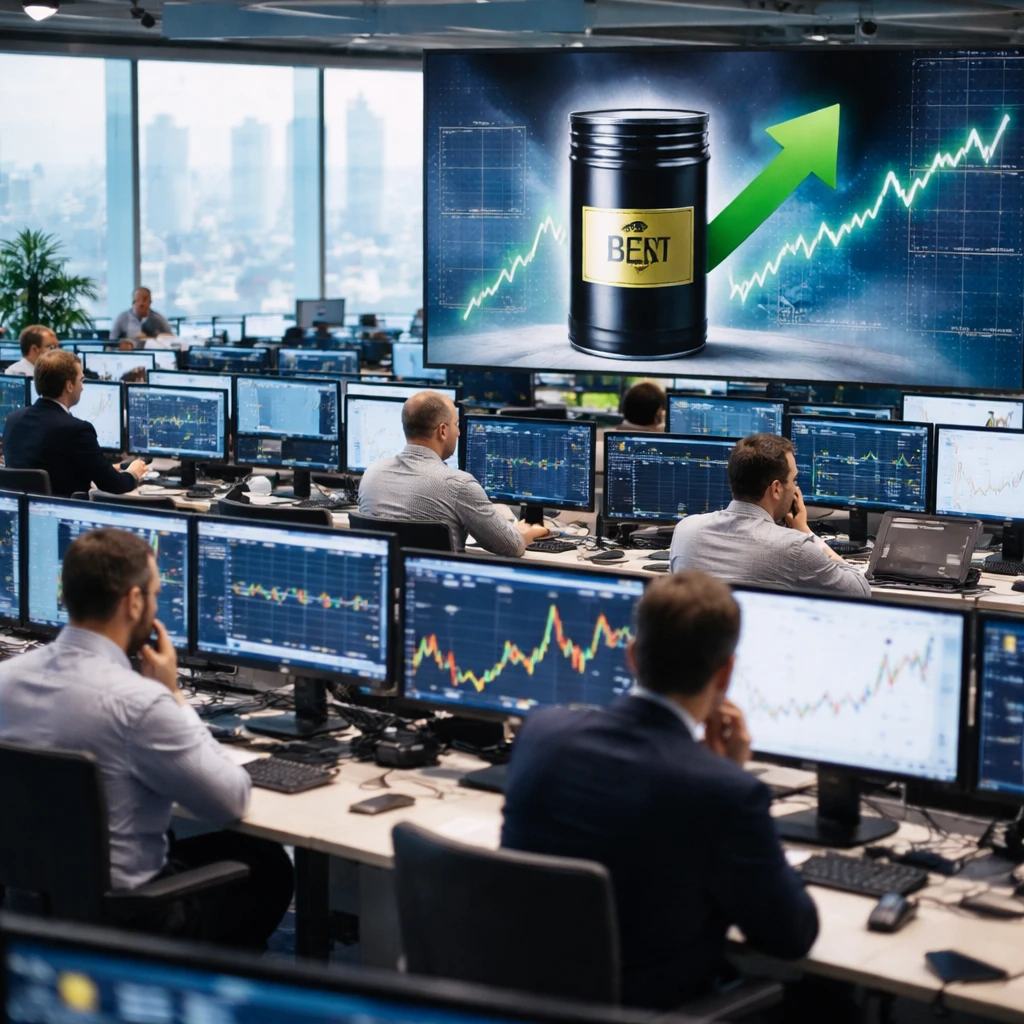
Energy indices responded quickly. Brent crude futures, which had earlier hit multi-week highs amid geopolitical jitters, fell more than 2% overnight as the panic subsided and were trading around $91.50 a barrel on Tuesday. That stabilisation in oil prices helped ease investor concerns that cost-push inflation could embed itself across European industrial supply chains.
Economic data adds to positive tone
Adding a fundamental leg to the rebound, updated economic figures showed Germany - Europe's largest economy - expanded faster in the second quarter than initial estimates had suggested. German gross domestic product rose 1.0% on an annual basis in Q2, ahead of expectations of 0.9% and up from 0.7% in the prior quarter. On a quarter-on-quarter basis, Destatis reported GDP growth of 0.3%, topping the preliminary forecast of 0.2%.
The stronger reading was driven in part by resilient external demand. German exports increased 2.0% quarter-on-quarter, with chemical products, electronics and transport equipment leading shipment gains. The firmer print reassured market desks that northern Europe is sustaining baseline momentum despite elevated borrowing costs and relatively soft domestic consumer demand.
Yields retreat after U.S. cash-account reports
Equity valuations received additional breathing room as global sovereign yields eased following financing signals from Washington. Benchmark U.S. Treasury yields backed off recent peaks after reports indicated the U.S. Treasury Department may tap its Treasury General Account cash balance to fund an expanded debt buyback programme.
By drawing down existing cash reserves instead of issuing additional short-term bills, the Treasury could materially reduce the net supply of debt the market must absorb. Germany's 10-year Bund yield pulled back toward 3.23% as the repricing in core yields took hold, allowing equity desks to refocus on upcoming catalysts, including a major earnings release from Nvidia Corp. on Wednesday and Federal Reserve Chair Kevin Warsh's planned address at Jackson Hole on Friday.
Notable movers
- Chesnara jumped nearly 5% after reporting strong capital generation.
- Vistry rose about 10% following an announcement it had secured funding for a 350 million pound social and affordable homes programme under the government.
These stock-specific moves complemented the broader market recovery, with sectors most sensitive to energy and interest-rate narratives showing noticeable relief as prices and yields stabilised.
In sum, the combination of a less disruptive policy announcement on Iran, a retreat in energy prices, an upside surprise in German Q2 GDP and easing sovereign yields created a supportive environment for a tactical rally across European equity markets on Tuesday. Market participants remain attentive to next-week's event calendar and company-specific news that could influence the trajectory of the rebound.