
Eos Energy Enterprises Inc (NASDAQ:EOSE) said Thursday it will centralize its battery manufacturing operations at the Thorn Hill facility in Warrendale, Pennsylvania, a decision that pushed the company’s stock up roughly 3.6% on the day.
Company leadership framed the consolidation as the completion of the Pittsburgh manufacturing plan described during its second-quarter earnings call. Management emphasized that the shift is already encompassed by its current full-year revenue outlook of $300 million to $350 million, and they indicated an expectation that customer delivery commitments will not be disrupted by the transition.
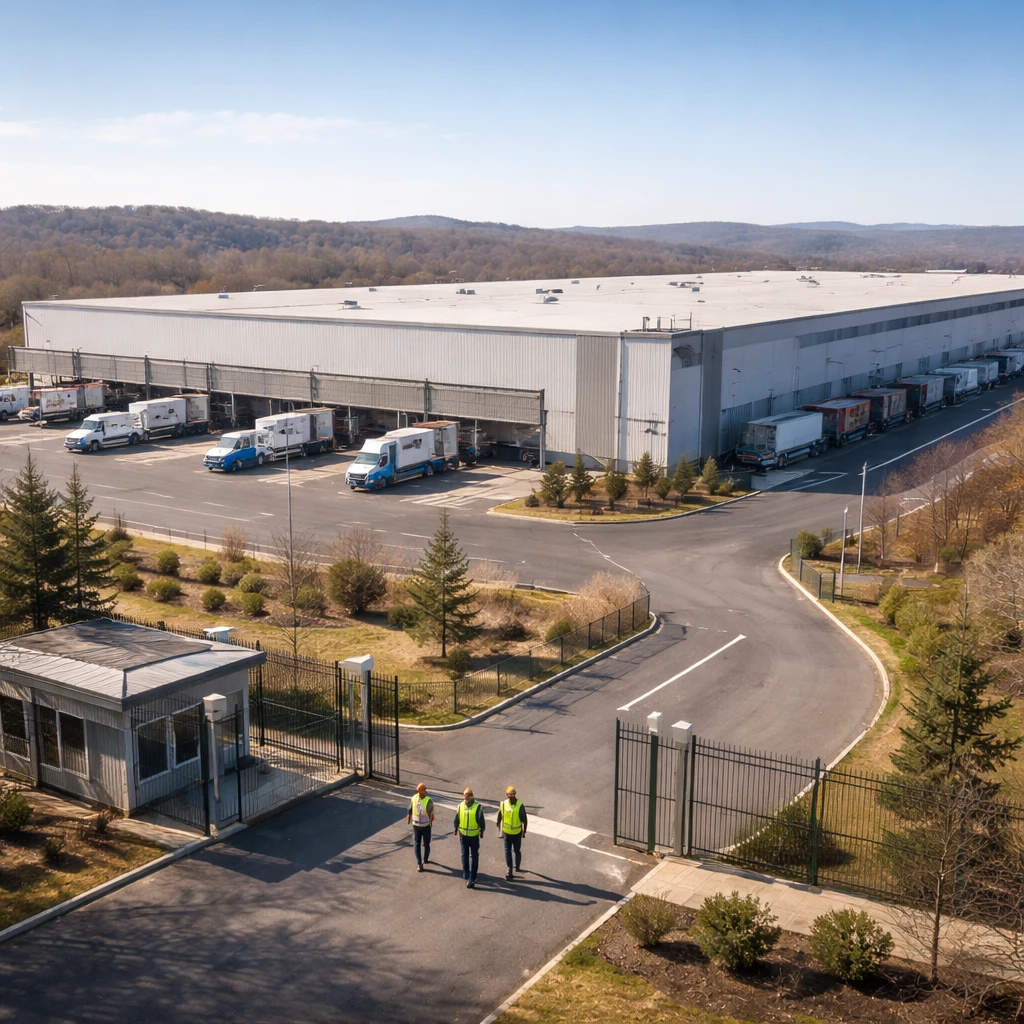
Commercial production at the Thorn Hill site, a 432,000-square-foot facility, began in June after Eos moved into the property less than six months prior. The company plans to bring all battery production into that single footprint, with the intent of shortening material flow, streamlining production processes and raising manufacturing efficiencies by operating both production lines in one location.
Eos estimates that consolidating production will lower conversion costs by approximately 10% to 15%, with cost benefits expected to start in 2027. Once both lines are up and running, Thorn Hill’s nameplate capacity is projected to reach approximately 4 GWh.
Battery manufacturing currently occurring at the company’s Turtle Creek site will be relocated to Thorn Hill. Cube assembly, testing and shipping operations will remain at Turtle Creek’s Building 200, according to the company. The physical move is slated to begin in the fourth quarter and to be completed in early 2027, and it remains subject to customary lender approvals.
The consolidation affects roughly 250 employees. Eos said it plans to offer positions to each impacted employee - including about 205 who are union-represented - at Thorn Hill, at Building 200 in Turtle Creek, or at corporate offices, with any offers made in accordance with applicable collective bargaining obligations.
Management framed the shift as a measure to improve unit-level economics through lower conversion costs and better production flow, without adding any new guidance outside the company’s stated revenue range.
Key points
- Eos will consolidate battery production at the 432,000-square-foot Thorn Hill facility; commercial production began in June.
- Company expects conversion-cost reductions of about 10% to 15%, with benefits starting in 2027; Thorn Hill capacity should reach roughly 4 GWh when both lines operate.
- The move fits within existing full-year revenue guidance of $300 million to $350 million and aims to avoid disruption to customer deliveries.
Risks and uncertainties
- The transition timeline is subject to customary lender approvals, which could affect the planned schedule and realization of cost savings.
- Relocation impacts approximately 250 employees, including roughly 205 union-represented workers, and any outcomes are subject to collective bargaining obligations.
- The anticipated conversion-cost reductions and capacity ramp are projected to begin delivering benefits in 2027, so near-term financial impact is limited.