
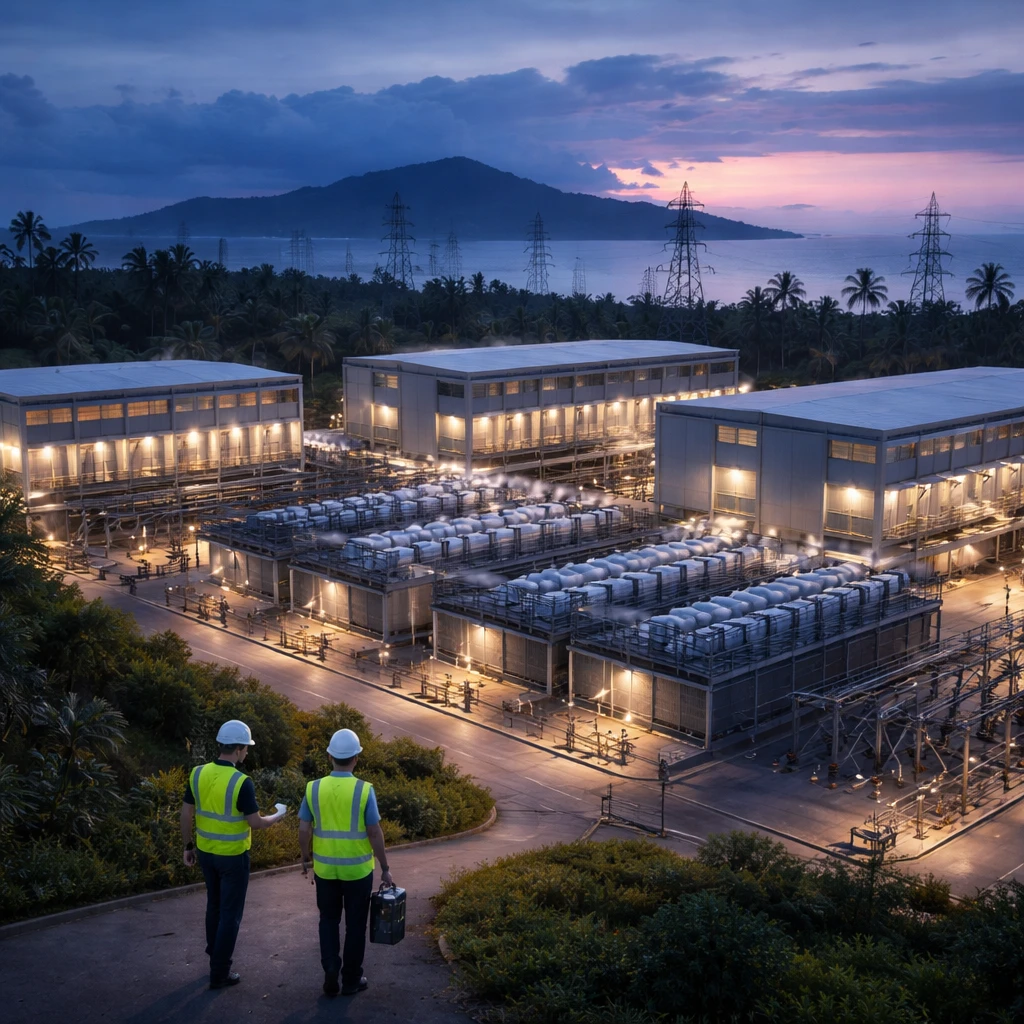
CoreWeave said on Tuesday it will establish its first data-center footprint in the Asia-Pacific region by opening three facilities in Indonesia. The company, which provides AI cloud computing capacity, said the Indonesian projects will be company-owned and -operated and will add a combined 360 megawatts of contracted power.
The expansion reflects growing demand for AI infrastructure as companies and governments seek to secure hardware and cloud capacity to develop and run AI systems. CoreWeave said its investment in Indonesia will include building and training a local operations team to run the new sites, supporting the country’s AI ambitions.
Details of the expansion
- Three new data centers in Indonesia, CoreWeave will own and operate all three sites.
- The facilities will add a total of 360 megawatts of contracted power.
- CoreWeave will recruit and train a local team to operate the centers.
"Across Asia, enterprises, AI-native companies, and governments increasingly need AI compute located close to their data and users, driven by both latency-sensitive workloads and data locality requirements. CoreWeave’s move... reflects this shift," the company said.
These Indonesian facilities expand a global footprint that stood at 49 data centers worldwide as of March. The announcement arrives amid a broader industry surge in demand for AI cloud infrastructure, prompting CoreWeave to invest heavily in data-center capacity.
In May, CoreWeave raised the lower end of its 2026 capital spending forecast, citing higher component prices amid a shortage of memory chips. The company said it plans to spend between $31 billion and $35 billion this year.
CoreWeave has also secured several multi-billion-dollar cloud agreements this year, including an expanded $21 billion contract with Meta and a multi-year agreement with Claude creator Anthropic. Those deals form part of the commercial demand underpinning the company’s expansion strategy.
By adding owned and operated capacity in Indonesia, CoreWeave positions itself to offer lower-latency, locally hosted AI compute to customers across Asia while increasing its global data-center scale. The company characterized the move as a response to regional needs for proximity to data and users, as well as regulatory and operational drivers related to data locality.