
Summary
Chipotle Mexican Grill is showing a 3.5% rise in pre-market activity ahead of Wednesday's open after Minnesota health officials indicated they have no continuing concerns with the restaurant chain. That statement follows a sharp 9.72% decline on Tuesday - the steepest one-day selloff for the stock in nine months - and stems from details included in an August 5 SEC filing describing how the company used an RFID-based traceability system to isolate a contaminated lot of jalapeños.
What Minnesota reported
State investigators interviewed 84 patients in Minnesota who were confirmed as part of the outbreak. Of those, 75 reported having eaten at Chipotle between June 14 and July 14, a link that initially drew attention to the chain. Minnesota health officials also stated that "the food that made people sick was served at other restaurants as well," indicating the possibility of a contaminated ingredient moving through multiple outlets rather than an operational failure limited to Chipotle restaurants.
Senior Minnesota Department of Health epidemiologist Carlota Medus added: "Given the measures Chipotle put in place, we are not concerned about Chipotle; but it is possible that the outbreak is ongoing if the contaminated food item is being served elsewhere." That combination - a high proportion of cases linked to Chipotle customers and an official statement that the same food item was served beyond Chipotle locations - framed the public-health narrative that followed the initial selloff.
Chipotle's traceability response
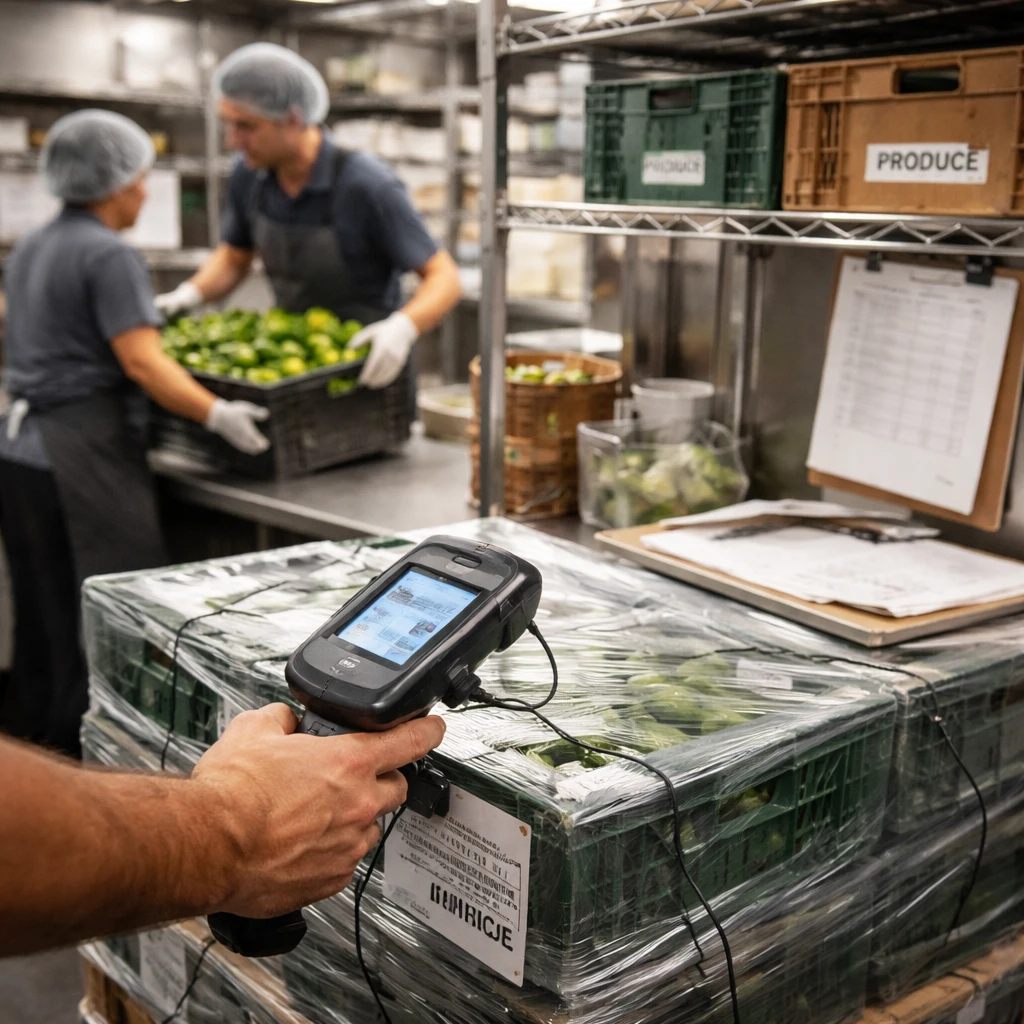
According to the company's SEC filing, Chipotle leveraged a lot-level RFID ingredient traceability system to identify the specific contaminated jalape nos within hours after the first notification from health authorities. Chipotle traced the affected lot to the restaurants that received it and replaced the jalape nos in those locations with product from alternate growers. The SEC filing is highlighted as the primary basis for the state-level clearance and for investor reassurances that the company was able to implement a targeted, surgical response rather than a broad, restaurant-by-restaurant remediation.
The lot-level RFID system was designed after the company's widely publicized food-safety problems in the mid-2010s, and the filing reiterates that the system was piloted in 2022 and rolled out nationally in 2023. That technological layer is presented as a means to prevent a recurrence of the protracted 2015-2018 outbreak period and the regulatory and legal consequences that followed, which culminated in a $25 million criminal fine in 2020.
At the same time, federal public information on the investigation had lagged. As of August 4, the FDA's public outbreak investigation table had not been updated in six days, leaving a timing difference between Chipotle's internal actions and federal public reporting.
Market and analyst reaction
Investors responded to the state clearance with a pre-market rebound, but analyst caution remains. Bernstein analyst Danilo Gargiulo noted that "even if Chipotle has already reacted promptly and thus far we see no social media reactions to the news, we expect that the impact from the news could result in SSSG in 3Q decelerating below our expectation ... if the situation does escalate." The comment is presented as a risk flag contingent on escalation rather than a forecast that a deterioration will occur.
Other industry examples are cited to frame potential trajectories. Yum Brands reported that Taco Bell's U.S. same-store sales slipped 2% quarter-to-date following a cyclospora incident but described a "relatively steady recovery" after the peak impact on July 18. That pattern illustrates that swift containment can limit lasting damage to sales, but it does not guarantee that outcome in every food-safety episode.
Open variables and key catalysts
Two principal catalysts will determine whether Chipotle's recent selloff fully reverses or if additional pressure emerges:
- Federal traceback results - The FDA is conducting a multi-state, multi-ingredient traceback investigation. A definitive federal finding that either names or clears jalape nos while identifying the supplier and any other affected chains would be the most consequential single event for Chipotle's near-term liability and reputation exposure.
- Case count trajectory - Minnesota's confirmed case total of 110 Salmonella Javiana infections is expected to evolve as surveillance progresses. If case counts flatten or decline, the state clearance will likely carry more weight with investors. Conversely, additional multi-state cases or a rapid rise in infections would raise fresh questions and could reignite selling pressure.
Supply-chain implications
From a logistics and supply-chain perspective, the incident highlights how ingredient-level contamination can propagate risk across multiple quick-service restaurant chains that share suppliers. Chipotle's RFID investment is presented as a direct operational response to mitigate that class of risk by enabling rapid, lot-level identification and replacement. However, the identity of the implicated supplier and the names of other affected chains remain undisclosed, representing central unknowns with material implications for liability, reputational damage, and procurement strategies across the QSR sector.
Conclusion
The Minnesota Department of Health's statement that it is not currently concerned about Chipotle reduced some immediate headline risk and underpinned a pre-market bounce. Yet the federal traceback and emerging case counts remain pivotal. Investors tracking Chipotle should watch for a formal federal finding that clarifies whether jalape nos are implicated and whether additional chains used the same lot. Until those gaps are filled, the situation presents a mix of operational reassurance from Chipotle's lot-level response and residual uncertainty tied to supplier identification and multi-state exposure.