
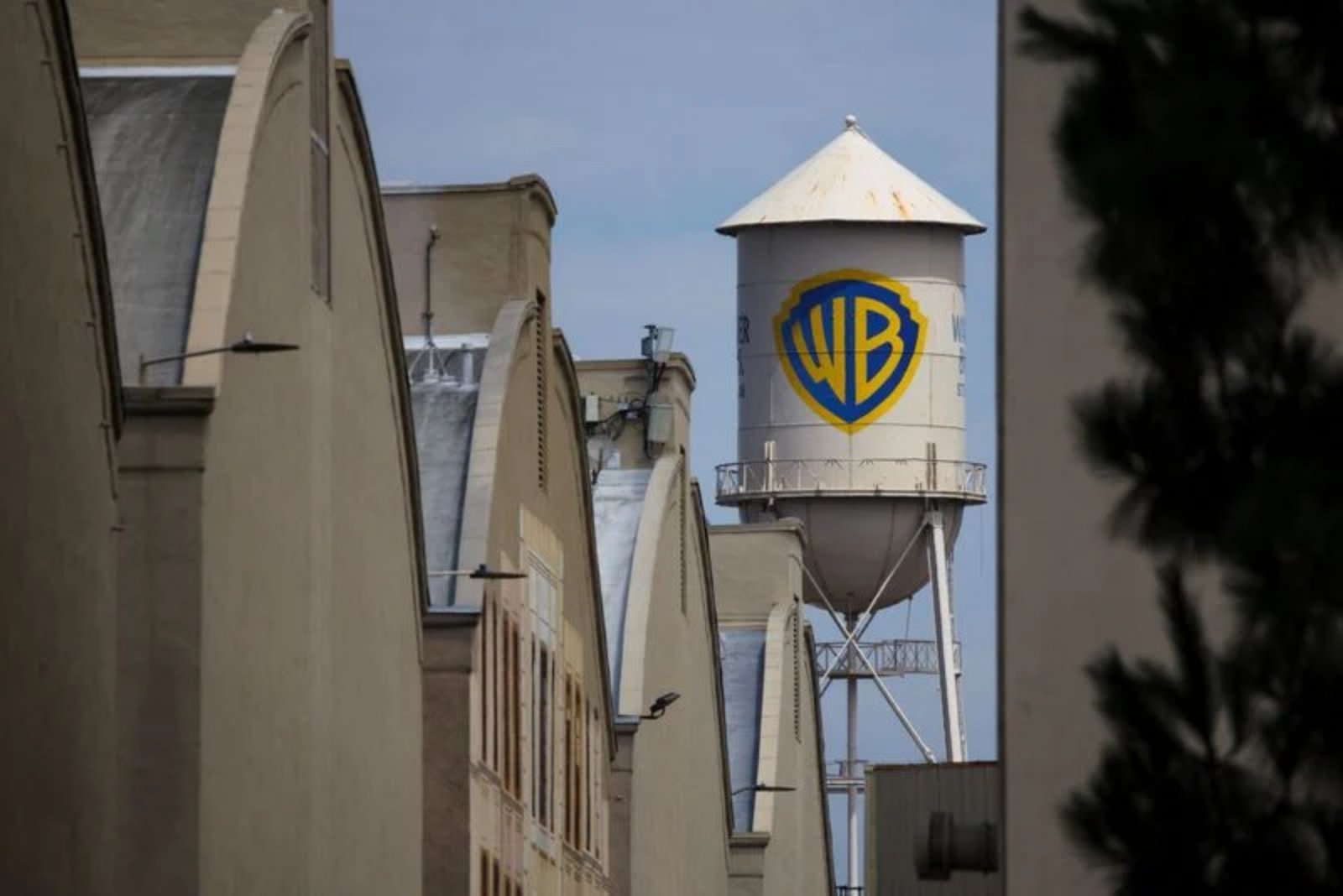
California's attorney general has retained Milbank to strengthen the state's legal challenge to the proposed merger between Paramount and Warner Bros., the state announced on Monday. The hire gives California access to prominent antitrust counsel as it prepares for what it expects will be intense litigation.
Attorney General Rob Bonta said the state brought Milbank on board because "we need the firepower." He added that the state anticipated facing "an army of high-powered private attorneys" retained by Paramount in defense of the transaction.
Milbank's team for California will include Richard Parker and James Weingarten. Weingarten is a former U.S. government antitrust lawyer who was part of the team that unsuccessfully sought to block Microsoft's $69 billion bid for Activision Blizzard.
On the defense side, Paramount has hired a team led at trial by Jeffrey Kessler of Winston Taylor, with former U.S. Solicitor General Paul Clement also on its roster.
The litigation frames a politically charged dispute between Democratic-led states - including California and New York - and major corporations that are parties to a merger approved in June by the Trump administration. The multistate lawsuit filed Monday, brought by California and 11 other states, alleges the combined company would possess increased ability to raise prices in film and television markets, a harm the states say would ultimately affect consumers and workers.
The Justice Department cleared the transaction in June after an eight-month review, concluding it was likely to have a positive effect on competition.
The selection of Milbank also highlights a potential point of friction with the federal government. Milbank is among the law firms that, last year, entered into agreements with the Trump administration intended to avoid the impact of executive orders targeting prominent law firms over various issues. As part of its agreement, Milbank committed to providing $100 million in free legal services to mutually agreed initiatives.
Those settlements drew criticism from California and other states, which said the firms had yielded to political pressure. Milbank, the White House and the Justice Department did not immediately respond to requests for comment on the hire or the broader litigation.
Since reaching its agreement with the administration, Milbank has taken positions adverse to the government in other matters. The firm represented a group of small businesses that challenged the administration's use of emergency powers to impose sweeping tariffs; that case resulted in a Supreme Court ruling in February striking down the measures. Milbank and other lawyers also prevailed in June in a separate case challenging the administration's lawsuit over immigration policies in several New Jersey cities.
Legal teams and stakes
The case over the Paramount-Warner Bros. merger is shaping into a high-profile courtroom contest. California's hiring of Milbank brings experienced antitrust litigators to the state's side, while Paramount's defense includes seasoned trial counsel and a former U.S. Solicitor General.
State plaintiffs assert the merger would concentrate market power and create pricing pressure in film and television industries. The Justice Department's earlier decision to approve the deal followed an extended review and reached a contrary conclusion about competitive effects.
As the litigation proceeds, outcomes will hinge on the courts' assessment of competitive impacts, as advocated by the opposing legal teams and supported by the arguments and evidence presented by the states and the companies involved.