
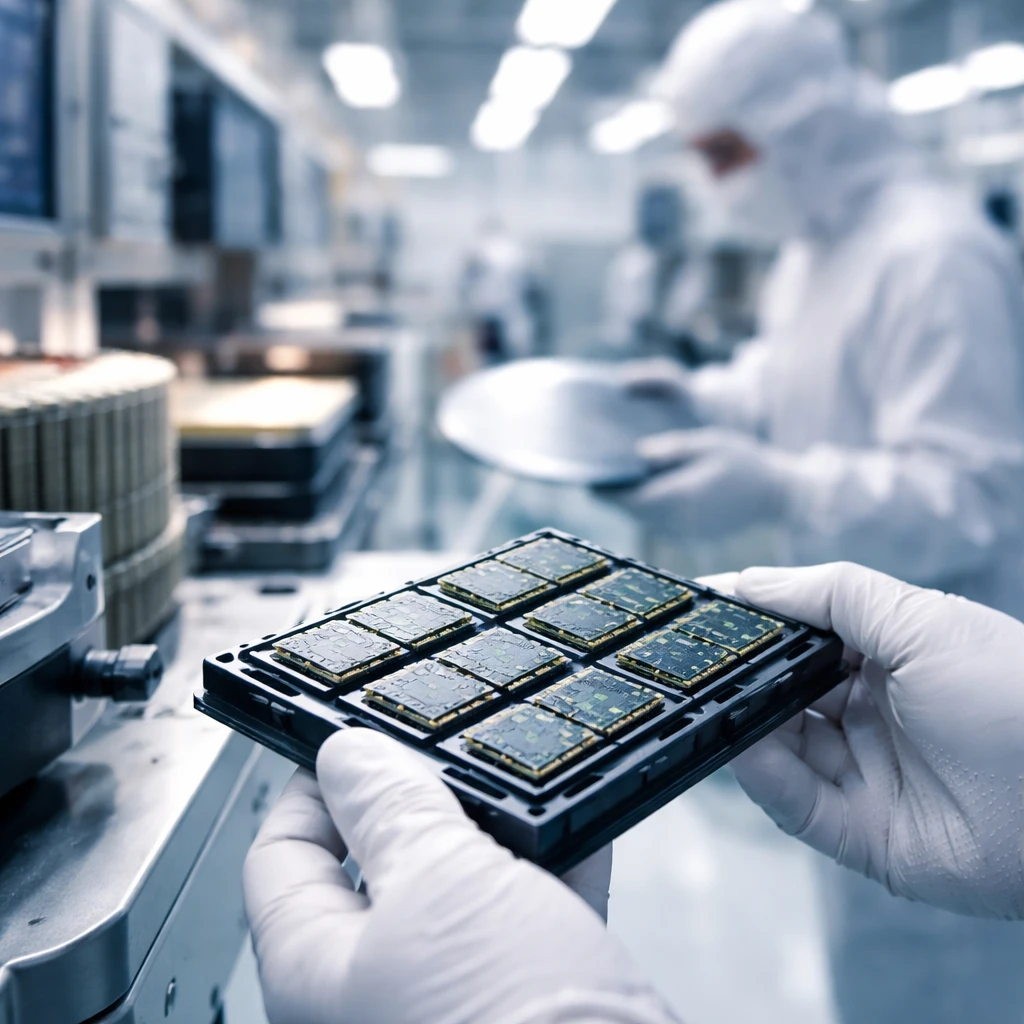
Apple Inc. shares climbed about 0.5% in U.S. premarket trading on Monday after a report said the company is lobbying the Trump administration for permission to purchase memory chips from Chinese supplier ChangXin Memory Technologies (CXMT), despite existing U.S. restrictions on the firm.
The stock was quoted near $285.10 in premarket activity, following a 3.1% gain that closed the session at $283.78 on Friday.
According to the report, Apple has engaged with the White House, the U.S. Commerce Department and other administration officials in recent weeks to seek approval for sourcing memory chips from CXMT. The outreach to government agencies aims to secure the licenses or exemptions necessary given current export controls.
This effort comes as Apple faces rising costs for DRAM and NAND memory, increases that the report attributes largely to surging artificial intelligence-related demand. Those higher memory prices have pushed up component costs across the consumer electronics industry, straining the ability of manufacturers to absorb expenses.
The discussions underline the tension confronting major U.S. technology companies as Washington tightens restrictions on Chinese semiconductor firms while demand tied to AI infrastructure continues to elevate memory prices. Companies that rely on global supply chains are being forced to balance regulatory constraints against mounting component costs.
ChangXin Memory Technologies, identified in the report as China’s largest memory chipmaker, has been designated a Chinese military company by the Pentagon and approved for addition to the Commerce Department’s Entity List. Items subject to the Entity List typically require a U.S. government license for export, and such licenses are generally presumed to be denied under current policy.
The report follows Apple’s decision last week to increase prices on certain iPad and MacBook models. Apple cited higher memory and storage component costs as the reason it could no longer fully absorb those expenses, saying the investments in AI infrastructure have driven up chip demand and related prices.
Implications for markets and supply chains
- Consumer electronics makers face margin pressures as memory costs rise.
- Semiconductor suppliers and distributors are caught between export controls and growing demand from AI-related applications.
- U.S. tech companies must navigate regulatory hurdles while managing component procurement and pricing decisions.