
Anthropic announced that its Claude family of artificial intelligence models is now available to Microsoft Foundry customers on Azure, operating on NVIDIA's GB300 Blackwell Ultra GPU systems. The move represents the AI startup's first deployment on NVIDIA hardware.
By bringing Claude to Azure on NVIDIA GB300 infrastructure, Anthropic said enterprises will be able to build autonomous and domain-specific AI agents. The company framed the availability as a response to growing enterprise interest in agentic AI applications that automate complex business tasks, with the deployment intended to enhance inference performance and efficiency and to help lower the total cost of ownership for enterprise AI workloads.
The announcement expands on a strategic partnership among Microsoft, NVIDIA and Anthropic that was disclosed in November. That collaboration aims to broaden enterprise access to Claude models through NVIDIA-accelerated computing on Azure.
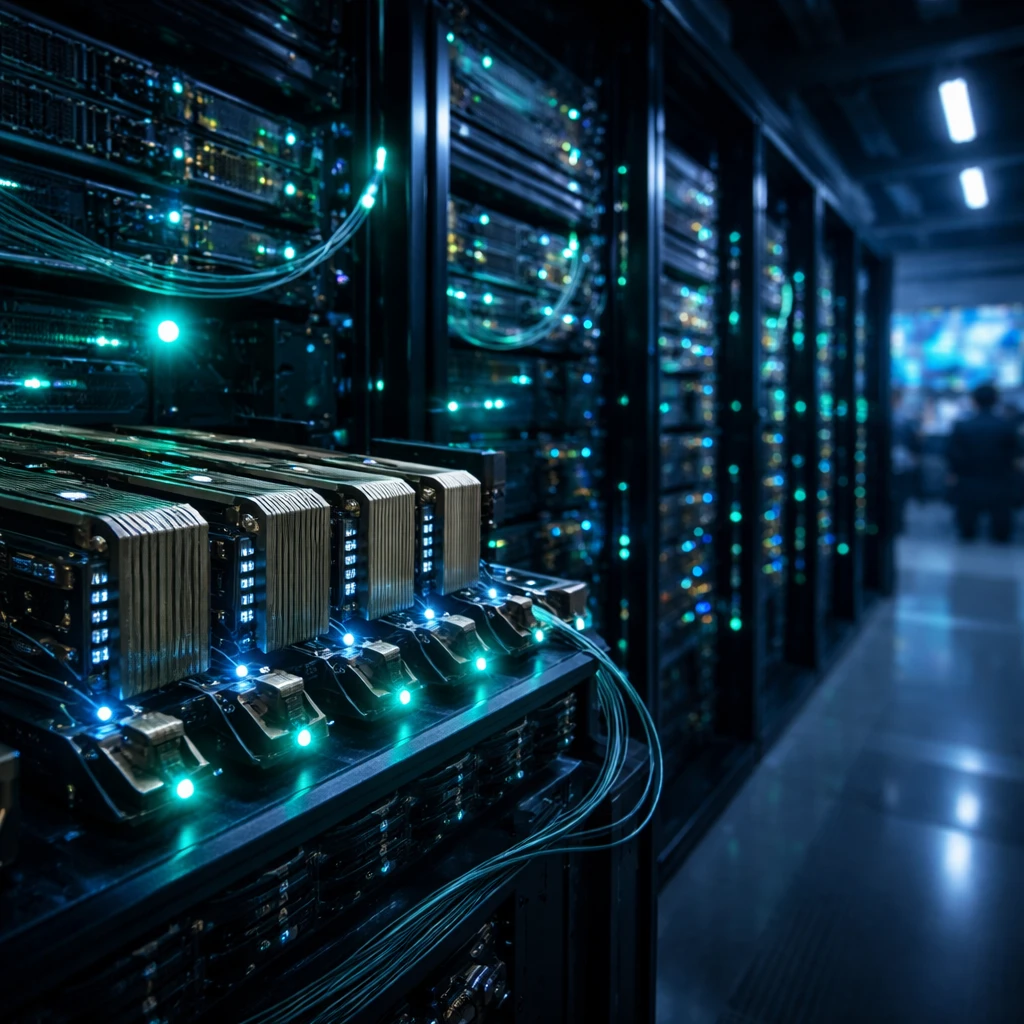
Technically, the models operate on NVIDIA GB300 NVL72 systems paired with Quantum-X800 InfiniBand networking. Anthropic and its partners said this configuration enables customers to deploy more advanced AI agents, including the creation of specialized sub-agents that can function across different business functions.
NVIDIA is also deepening its integration with the Claude ecosystem by incorporating its software tools. A highlighted element of that collaboration is NVIDIA Verified Agent Skills, which is intended to allow enterprises to provision Claude agents with domain-specific capabilities that leverage NVIDIA-accelerated computing.
For deployment and governance, customers can use NVIDIA's Secure Agent Workspace Reference Design when running Claude agents on Azure. That reference design supplies infrastructure-level controls covering identity, networking, credentials and runtime policies, aiming to provide enterprises a structured approach to managing agent deployments.
Contextual implications
The availability of Claude on Azure powered by NVIDIA GB300 systems is presented by the companies as a capability-layer enhancement for enterprises seeking to develop agent-based workflows and specialized AI functions. The partnership and the accompanying technical design choices are positioned to help enterprises address performance, efficiency and operational control for production AI workloads.
The companies involved described the deployment and tooling in technical terms rather than providing commercial terms, adoption forecasts or customer outcomes. As such, the announcement details infrastructure, software integration and governance mechanisms without asserting specific market or financial impacts.