
Overview
Analysts at Stifel, Wolfe Research and RBC Capital Markets have each begun coverage of SK hynix with bullish recommendations, arguing that the combination of surging AI infrastructure investment and persistent supply constraints will extend the memory industry upcycle into 2027 and possibly beyond. The research notes emphasize SK hynix's dominant position in high-bandwidth memory (HBM) and assert that the company's recently listed American depositary receipt (ADR) is attractively valued relative to U.S. memory peers.
Demand-supply dynamics
The reports contend that AI-related spending on training and inference systems has materially shifted memory market dynamics. Demand for DRAM and NAND is said to be outpacing available supply as cloud providers scale capacity and agentic AI workloads increase memory content per server. On the supply side, capacity additions are constrained by limited cleanroom availability, equipment bottlenecks and the greater manufacturing intensity required for advanced memory products, creating an environment that analysts expect will sustain tight supply and elevated prices.
HBM leadership and market share
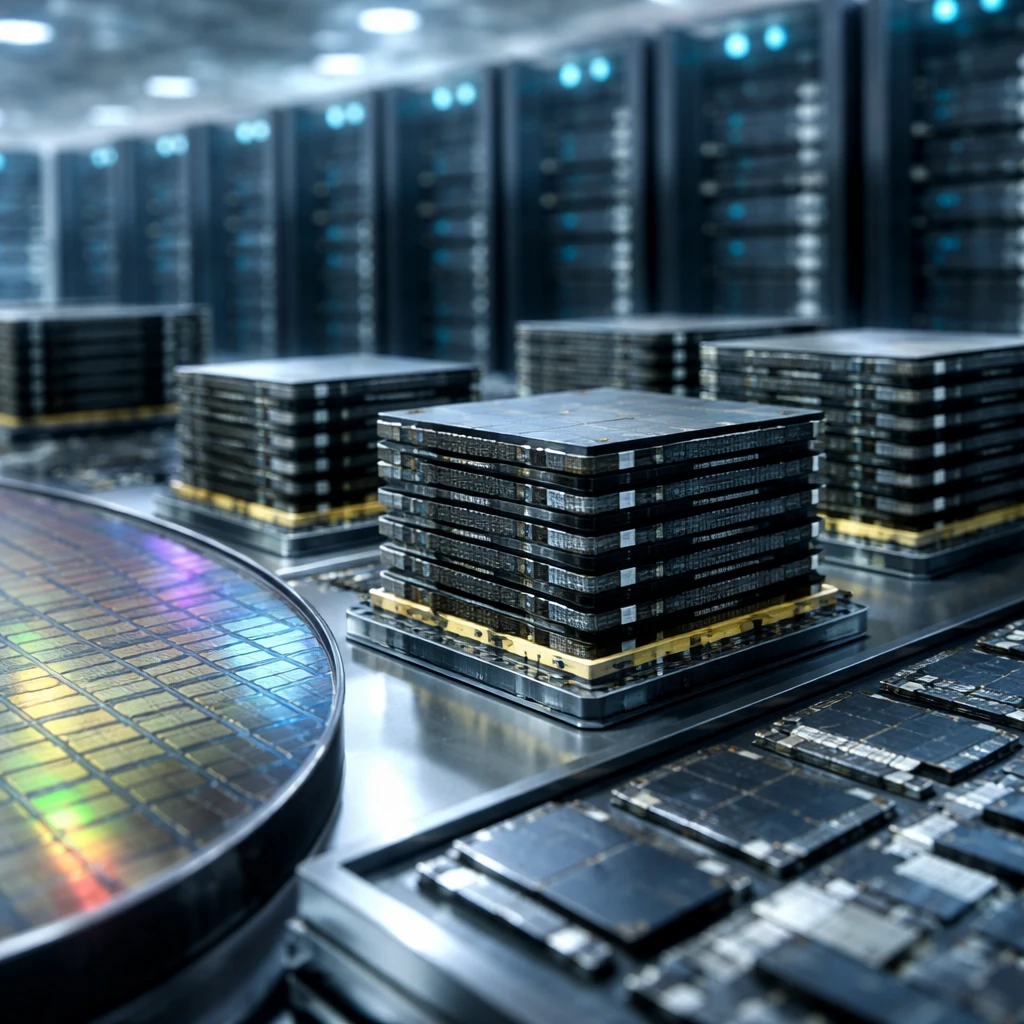
All three firms highlighted SK hynix's leadership in HBM, a specialized memory used in AI accelerators. Stifel estimates SK hynix controlled more than 60% of the HBM market in 2025, while RBC places current market share at roughly 55% to 56%. That share position underpins analyst views that SK hynix will capture outsized benefits from the AI-driven memory cycle.
Catalysts and pricing outlook
A key trigger identified across the notes is expected HBM contract repricing in 2027. RBC projects that HBM pricing could increase by more than 50% as customers transition to HBM4. Wolfe Research sees material upside from improved HBM margins and from long-term supply contracts that should provide enhanced pricing visibility. Analysts also forecast DRAM bit demand growth of more than 20% annually, a pace they believe supply will struggle to match given physical capacity limits across the industry.
Valuation and positioning
Despite a significant rally in the underlying shares over the past year, the initiating analysts argue the ADR remains undervalued versus U.S. peers. Stifel observed that SK hynix has historically traded at a discount to U.S. rival Micron, even while asserting technology leadership in HBM. RBC estimates the ADR is trading at approximately a 20% to 25% discount to U.S. memory peers. Wolfe Research noted the ADR is priced at roughly four times projected 2028 earnings and expects substantial free cash flow generation over the coming years.
Consensus takeaway
Across the three initiation reports, analysts conclude that sustained AI-driven demand combined with constrained supply growth, long-term customer agreements and SK hynix's HBM leadership position the company to benefit from a memory cycle that may be longer and more profitable than prior upturns.
Note: The article reflects the findings and projections presented by Stifel, Wolfe Research and RBC Capital Markets in their initiation reports and does not add or interpret facts beyond those reports.