
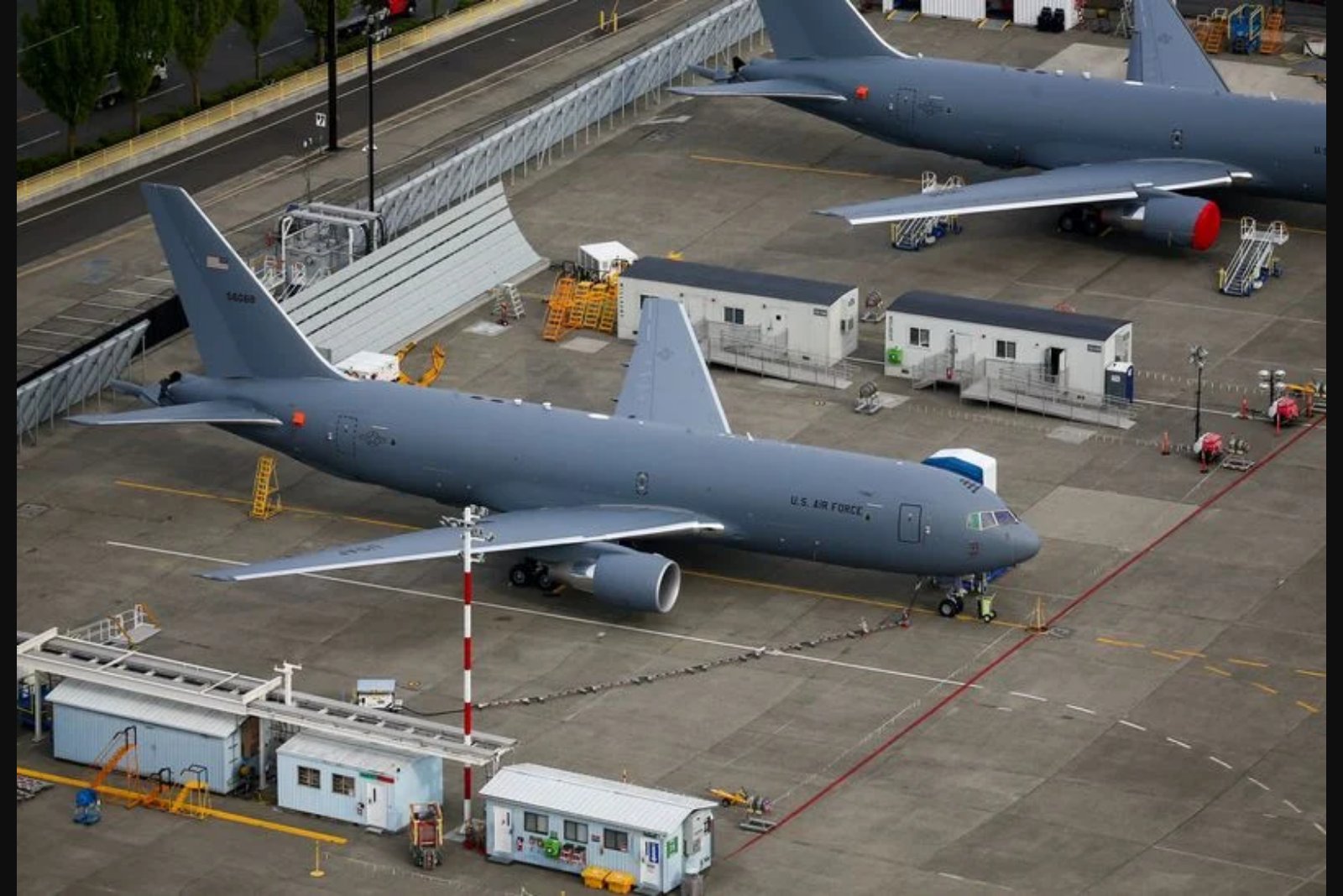
The U.S. Air Force told lawmakers on Tuesday that it is confident a long-sought fix has been developed for a persistent avionics problem affecting Boeing’s KC-46 aerial refueling tanker.
Air Force Secretary Troy Meink said the service believes the newly tested Remote Vision System 2.0 corrects the remote vision system faults that have hampered boom operations used for midair refueling. "I think the good news is that we believe we’ve fixed and have tested the new 2.0 vision system and that we should start rolling that into the production line in ’28," Meink said during testimony to a Senate defense appropriations subcommittee.
The planned production insertion date represents a delay of five years from the original schedule. The Air Force and Boeing have been working for several years to resolve problems with the remote vision system, which is essential for operators to guide the rigid refueling boom that transfers fuel between tanker and receiver aircraft.
Program data cited by the service show Boeing has delivered more than 100 of the 188 KC-46 tankers the Air Force initially ordered. The Air Force is weighing a further buy of 75 additional units, which would raise the potential program total to 263 aircraft. Air Force officials have said they will only proceed with additional orders if Boeing can resolve remaining issues.
Boeing has already taken significant financial pain on the program. The company has reported losses of more than $7 billion on the fixed-price contract for the 767 commercial-derivative tanker, leaving the planemaker responsible for cost overruns tied to the project.
On June 4, Boeing announced it had completed initial flight testing of the Remote Vision System 2.0 upgrade. The Air Force previously announced in May that retrofitting the KC-46 fleet with the new vision system would require a seven-year schedule to complete for existing aircraft.
There remain other technical challenges on the KC-46. The tanker has experienced problems with the boom itself and with leaks in its fuel system, issues that have added to program delays and operational limitations.
"Obviously, this has been a bad contract for the last decade, this existing contract," Boeing CEO Kelly Ortberg told investors in January. Boeing did not respond immediately to a request for comment.
Context and next steps - The Air Force plans to begin integrating the tested Remote Vision System 2.0 into new production in '28, while retrofitting existing aircraft will span multiple years. Further procurement decisions are conditioned on Boeing resolving lingering technical problems.