
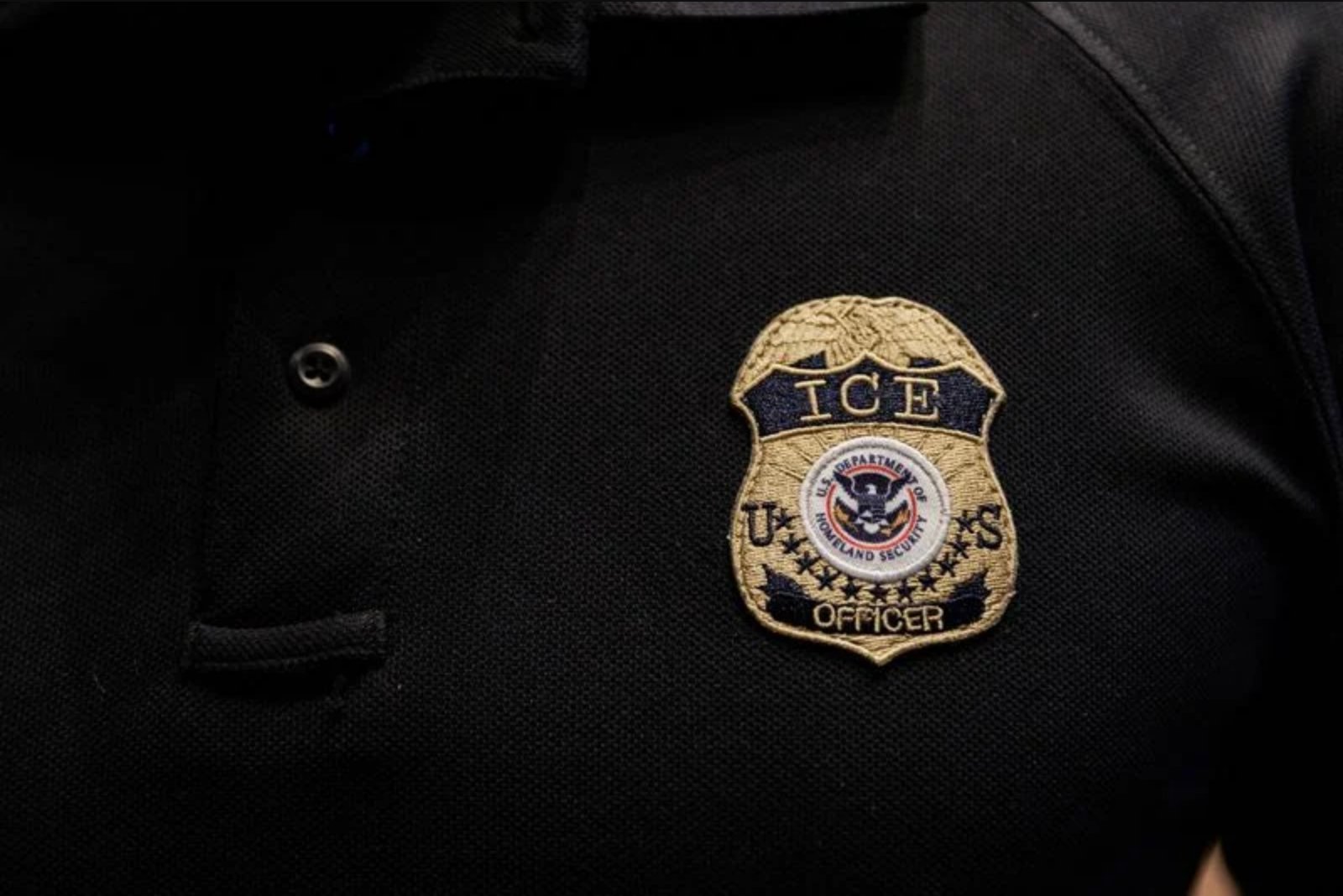
President Donald Trump said on Saturday that he will nominate Lance Schroyer to be the next director of U.S. Immigration and Customs Enforcement. In a social media post, Trump wrote: "Lance has over 29 YEARS of Law Enforcement experience in Oklahoma," and added, "The Senate must CONFIRM Lance, IMMEDIATELY - Do not delay."
Nomination and institutional context
The announcement seeks to fill a post that the agency has largely run without a Senate-confirmed leader. ICE has long relied on officials serving in an acting capacity, and the agency has not had a director confirmed by the Senate since early 2017.
Policy and public response
Cracking down on immigration has been a top priority for the president since taking office last year. The administration has directed ICE to expand detentions and pursue broader deportation efforts, placing the agency at the center of those enforcement actions.
Rights groups have criticized the government's approach, saying it infringes on civil liberties and creates an unsafe environment for ethnic minorities, a point of contention that has accompanied expanded enforcement operations.
Recent incidents and detention data
The agency's tactics have also prompted public backlash following high-profile incidents. ICE agents' fatal shooting of two U.S. citizens in Minnesota, Alex Pretti and Renee Good, in January prompted nationwide protests.
An analysis of ICE records shows that at least 50 people have died in U.S. immigration detention since the administration launched its mass deportation campaign. That dataset indicates the death rate has more than doubled since the president returned to office, reaching about one death for every 1,630 people based on preliminary data through early June.
Administration rationale and nominee background
Mr. Trump has framed the enforcement campaign as a measure to reduce illegal immigration and bolster domestic security. In announcing the nomination, the president described Schroyer as a former Oklahoma State Trooper and U.S. Marine with prior immigration enforcement experience.
The president's post reiterated the need for rapid Senate action on the nomination, urging lawmakers not to delay the confirmation process.