
WASHINGTON, July 14 - Senate Republican leaders say that the team led by former U.S. Special Counsel Jack Smith reviewed text messages sent to or from 44 members of Congress as part of investigations into efforts to overturn the 2020 presidential election and a separate inquiry concerning classified documents.
Republican Senators Chuck Grassley, who chairs the Senate Judiciary Committee, and Ron Johnson, who chairs a Senate investigative panel, said the records were obtained through subpoenas to the National Archives and Records Administration. The subpoenas sought text messages from government-issued phones used by then-President Donald Trump and several senior officials and advisers, covering the period from October 2020 through the end of his first term in January 2021.
According to the two senators, the material Smith's prosecutors acquired included text exchanges that 40 Republican members of Congress and four Democrats had with Trump officials during that interval. The disclosures deepen the picture of how many senior officials and lawmakers were touched by the inquiries Smith pursued into Trump’s pressure campaign to reverse the 2020 election and the separate probe into alleged mishandling of classified documents at the former president's Mar-a-Lago residence during the subsequent administration of President Joe Biden. Both cases were dismissed after Trump won the 2024 election.
The records cited by Grassley and Johnson include communications involving top Trump aides such as former White House chief of staff Mark Meadows and then-Vice President Mike Pence, who resisted efforts to block congressional certification of the 2020 election results. Grassley released the material one day before Todd Blanche, who defended Trump in both of Smith’s matters, was scheduled to appear before the Senate Judiciary Committee for consideration of his nomination to be attorney general.
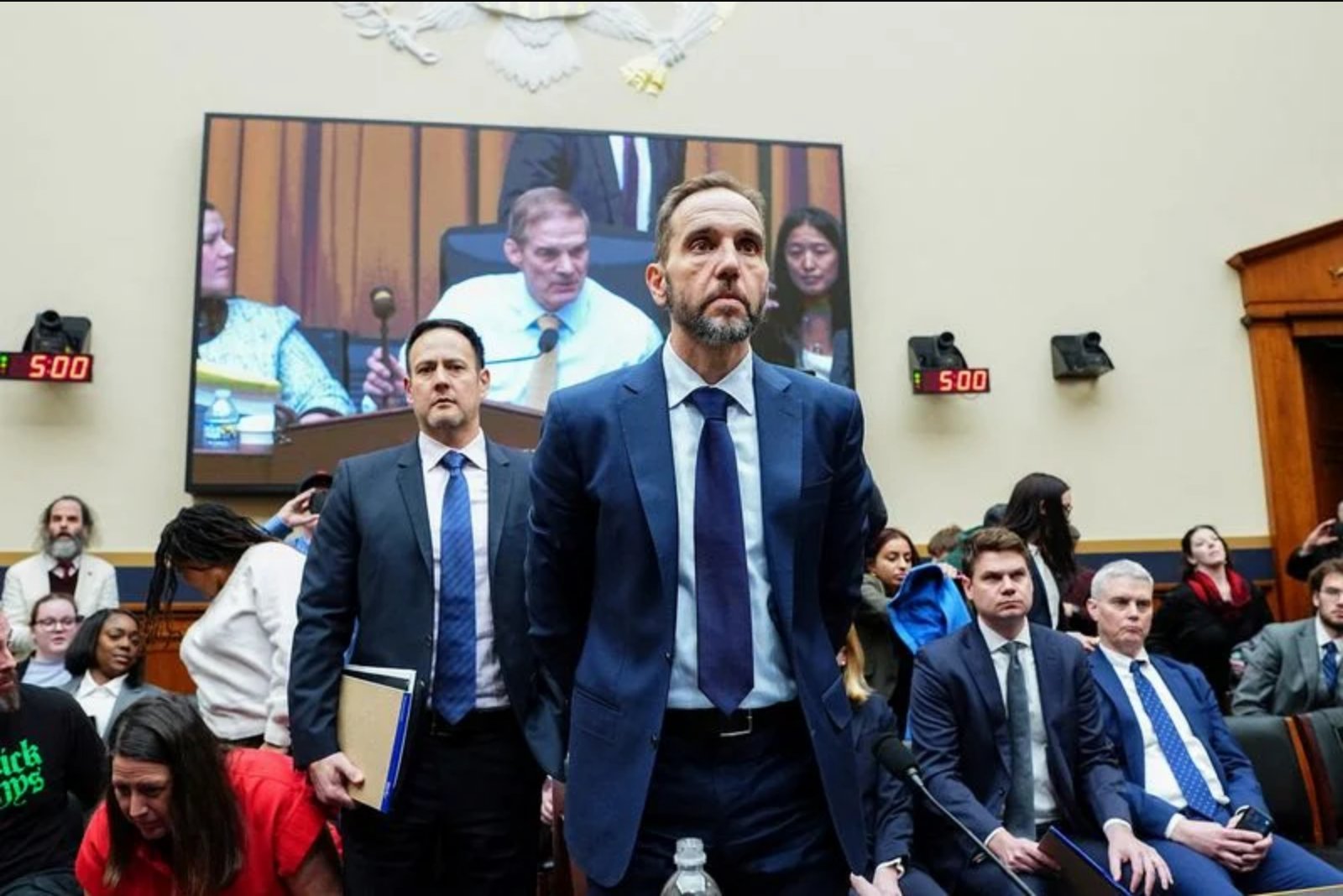
Grassley said the Justice Department under the Trump administration provided a broad set of records as allies of the president have advanced assertions that Smith’s inquiries improperly targeted Trump politically and collected information not relevant to the investigations. "Jack Smith has answering to do, and I intend to have him before the Senate Judiciary Committee in the coming months to hold him accountable," Grassley said in a statement.
A spokesperson for Smith did not immediately reply to requests for comment on the published disclosures. Smith has argued in court filings and public testimony that his investigations followed Justice Department policy and were not driven by political considerations.
Grassley also alleged that a prosecutor on Smith’s team may have viewed the records before a separate filter team completed a privilege review that was intended to screen material for potential legal protections. That filter review mechanism was established to identify and segregate communications involving attorneys and clients, and not material involving members of Congress, according to the senator's account.
Earlier, Grassley revealed that Smith sought call logs for some Republican senators from around the time of the January 6, 2021, attack on the U.S. Capitol. The disclosures also say that FBI Director Kash Patel and White House chief of staff Susie Wiles had their phone records subpoenaed as part of the classified documents probe. Subpoenas for phone records are a routine element of federal investigations, and Smith previously told a House committee that access to lawmakers’ phone records was necessary to examine the pressure campaign aimed at stopping certification of the election results.
Context and next steps
The newly disclosed material has prompted Republican senators to press for further oversight of the investigative decisions made during Smith's tenure as special counsel. Grassley signaled plans to summon Smith before the Judiciary Committee to answer questions about the scope of the subpoenas and the handling of potentially privileged material, while Smith has maintained that procedures followed Justice Department rules.
As the Senate considers a nomination for attorney general and continues oversight activity, the records released by Grassley and Johnson are likely to be central to upcoming committee hearings and statements from both supporters and critics of the prior investigations.