
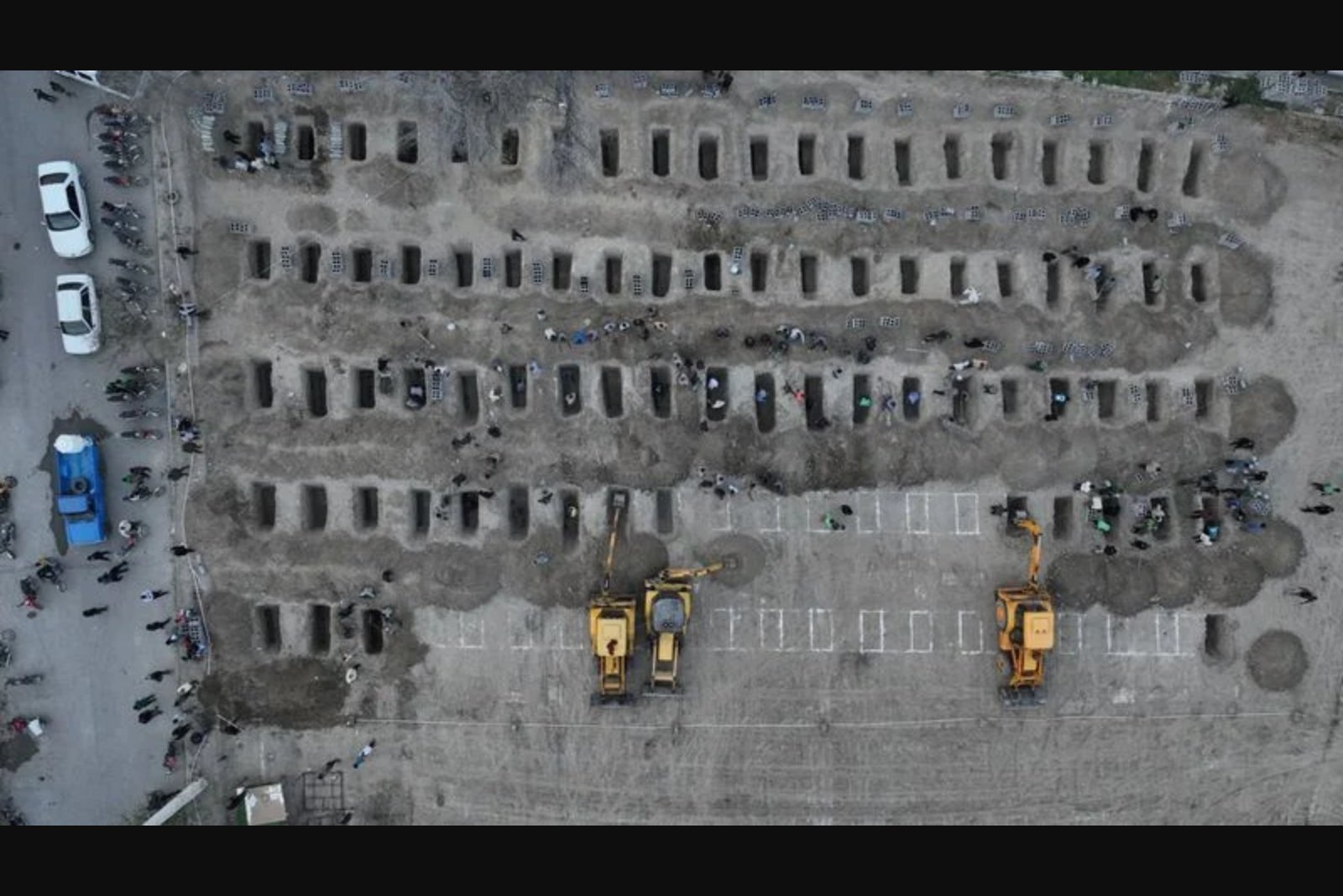
WASHINGTON, July 13 - A coalition of more than two dozen U.S. senators, spearheaded by Senator Kirsten Gillibrand, has delivered a formal request that the U.S. military make public the findings of its inquiry into a Feb. 28 strike that struck a girls' school in Minab, Iran. The senators have given the administration a one-week window to finalize the investigation, brief Congress and lay out measures to prevent similar incidents.
The letter from the senators, which includes the top Democrat on the Senate Armed Services Committee, called for an unclassified accounting of the probe's conclusions and specific corrective steps the Department of Defense will take. "There is no justification for withholding an unclassified accounting of what happened, what went wrong, and what the Department is doing to prevent recurrence," the lawmakers wrote.
A Pentagon official responded that the investigation remains active. "The investigation is ongoing. We do not have any updates to announce at this time," the official told reporters.
Iranian authorities say the strike killed more than 175 children and teachers. If those casualty figures are accurate, the senators note, the incident would be the U.S. military's largest civilian casualty event since 1991, when a shelter in Iraq was mistakenly bombed, killing more than 400 civilians.
Archived captures of the school's official website indicate the facility sits adjacent to a compound used by the Islamic Revolutionary Guard Corps, the Iranian military force that reports to the country's supreme leader.
Officials familiar with the matter have said that personnel responsible for assembling targeting packages appear to have relied on outdated intelligence. That assessment is one element lawmakers want the military to address publicly as part of the final report.
Central Command's commander, Admiral Brad Cooper, testified in May that the inquiry is "complex," in part because the school is located on an active Iranian cruise missile base.
President Donald Trump has expressed skepticism about whether investigators will be able to determine responsibility, given the intensity of military operations at the outset of the conflict. On June 24, he said: "Somebody said it was our missile, maybe it wasn’t our missile but I have seen nothing to lead me to believe it was." He added: "I don’t think it was us."
Iranian officials have characterized the strike as a U.S. war crime. The U.S. government maintains it does not intentionally target civilians.
In their letter the senators specifically asked Admiral Cooper and U.S. Defense Secretary Pete Hegseth to provide an unclassified version of the investigation's findings to both Congress and the American public. They also demanded a prevention and remediation plan that "identifies the specific corrective actions the Department will take to ensure this does not happen again."
Emphasizing both legal and ethical duties, the letter continued: "The United States military has a legal and moral obligation to take all feasible precautions to prevent civilian harm. When a U.S. strike kills civilians, the Department owes Congress, the American people, and the victims’ families a clear accounting of what happened and a credible plan to prevent future failures."
This demand for transparency comes after reporting in March that an initial internal probe suggested U.S. forces were likely responsible for the fatal strike on the opening day of the war with Iran. The senators' request now frames that initial conclusion as a basis for completing and publicizing the formal investigation and for identifying concrete steps to avoid repeat incidents.
Lawmakers have given military leadership a short timeline to comply, underscoring congressional pressure for both disclosure and tangible reforms in targeting processes and intelligence validation. The outcome of the Pentagon's final findings and any corrective action plan could influence oversight dynamics in Congress and military targeting practices going forward.