
Overview
U.S. Treasury Secretary Scott Bessent told CNBC that there is a chance a deal to reopen the Strait of Hormuz could be secured "today or tomorrow," and that such an outcome would represent a step toward "a more normalized position in this conflict." The comments came amid ongoing diplomatic activity led by Qatar and separate reports of renewed maritime violence, creating a mixed picture over the near-term trajectory of the conflict in the Middle East.
Diplomatic maneuvering
Qatar, which has been serving as a regional intermediary, has said a diplomatic push to de-escalate tensions and reopen the strait is underway. Media reports indicate that negotiators have circulated draft language for a potential agreement. Those same reports noted there is no current arrangement to convene direct talks between the parties; instead, the emphasis is on achieving a short-term resolution to ease immediate tensions.
Maritime incident and mixed signals
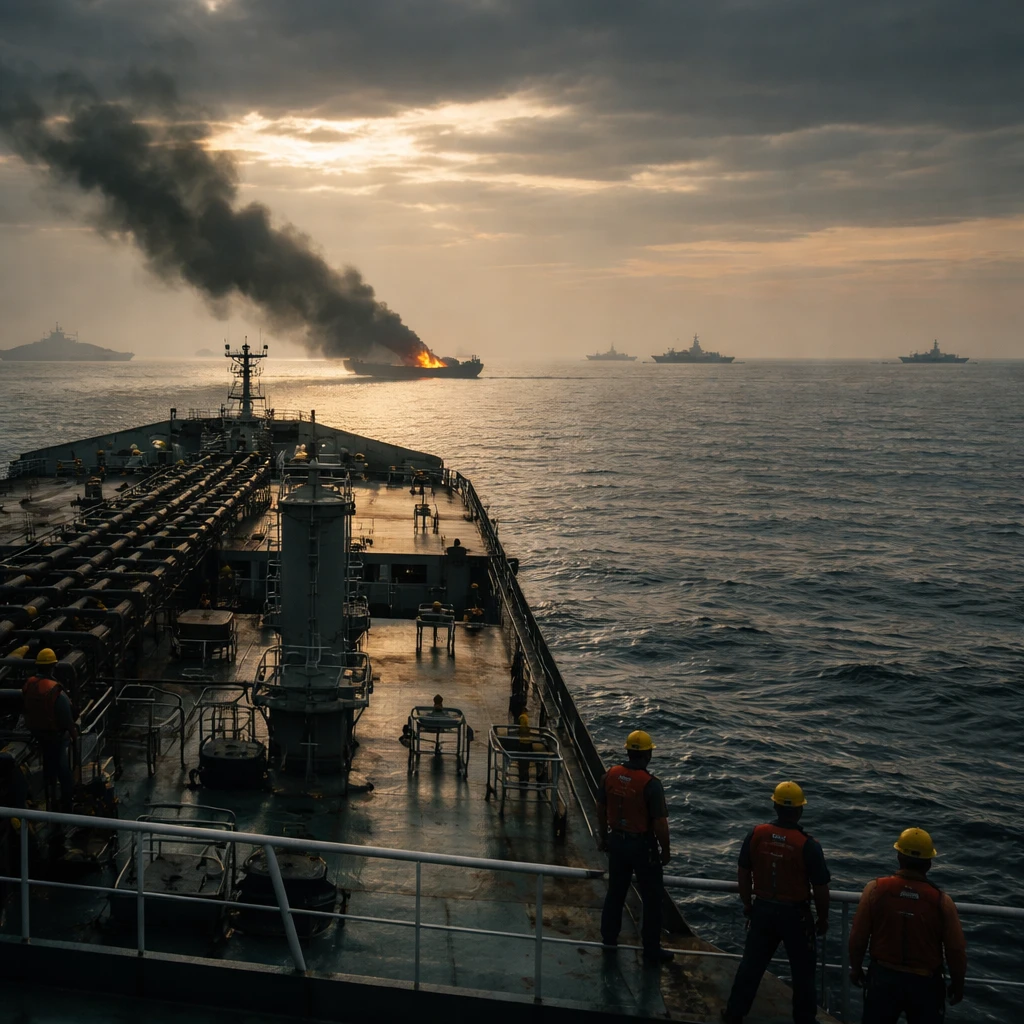
Despite the diplomatic activity, a vessel transiting the Strait of Hormuz was struck early on Tuesday, according to a notice from the British navy's marine-traffic monitoring agency, UKMTO. The agency did not identify who carried out the attack. This episode adds to a series of conflicting signals from the region, reinforcing concerns that the months-long war could remain trapped in a cycle of escalation and temporary detente.
Market reaction
News of the diplomatic outreach initially supported higher crude prices, but oil later reversed course. Brent crude futures, the global benchmark, were last down 2.9% at $81.38 a barrel after having climbed more than 2.5% earlier in the session. U.S. West Texas Intermediate crude futures fell 3.2% to $77.75 a barrel. The retreat in oil prices may ease some market anxiety about an immediate supply shock.
Benchmark U.S. 10-year Treasury yields, which often move inversely to oil prices and serve as an indicator of interest rate expectations, declined following the drop in crude prices.
Political messages and denials
Earlier in the week, U.S. President Donald Trump said that renewed talks with Iran would begin soon. Iranian Foreign Minister Esmail Baghaei publicly denied that any such dialogue was taking place. In response to Baghaei's denial, Trump described Iranian leadership as "unbelievably duplicitous."
Separately, Tehran confirmed that discussions with Oman were ongoing regarding the status of the Strait of Hormuz. Despite those exchanges, traffic through the vital waterway remained light and military tensions in the Gulf were elevated.
Analyst perspective
Market strategists have noted the uncertainty. In a client note, analysts at Mizuho characterized the immediate geopolitical backdrop as "somewhat unclear." That assessment reflects the twin realities of active diplomacy and episodic violence, both of which are influencing energy markets, shipping patterns, and investor risk perceptions.
What remains unresolved
The negotiating parties appear focused on a short-term fix to reopen maritime traffic, and draft language is reportedly being circulated by mediators. At the same time, the recent maritime strike and public contradictions between leadership in Washington and Tehran highlight how fragile any progress may be. Observers are watching for concrete confirmations of talks, the identity of parties involved in maritime incidents, and whether draft language will translate into enforceable measures that reduce the risk of further disruptions.