
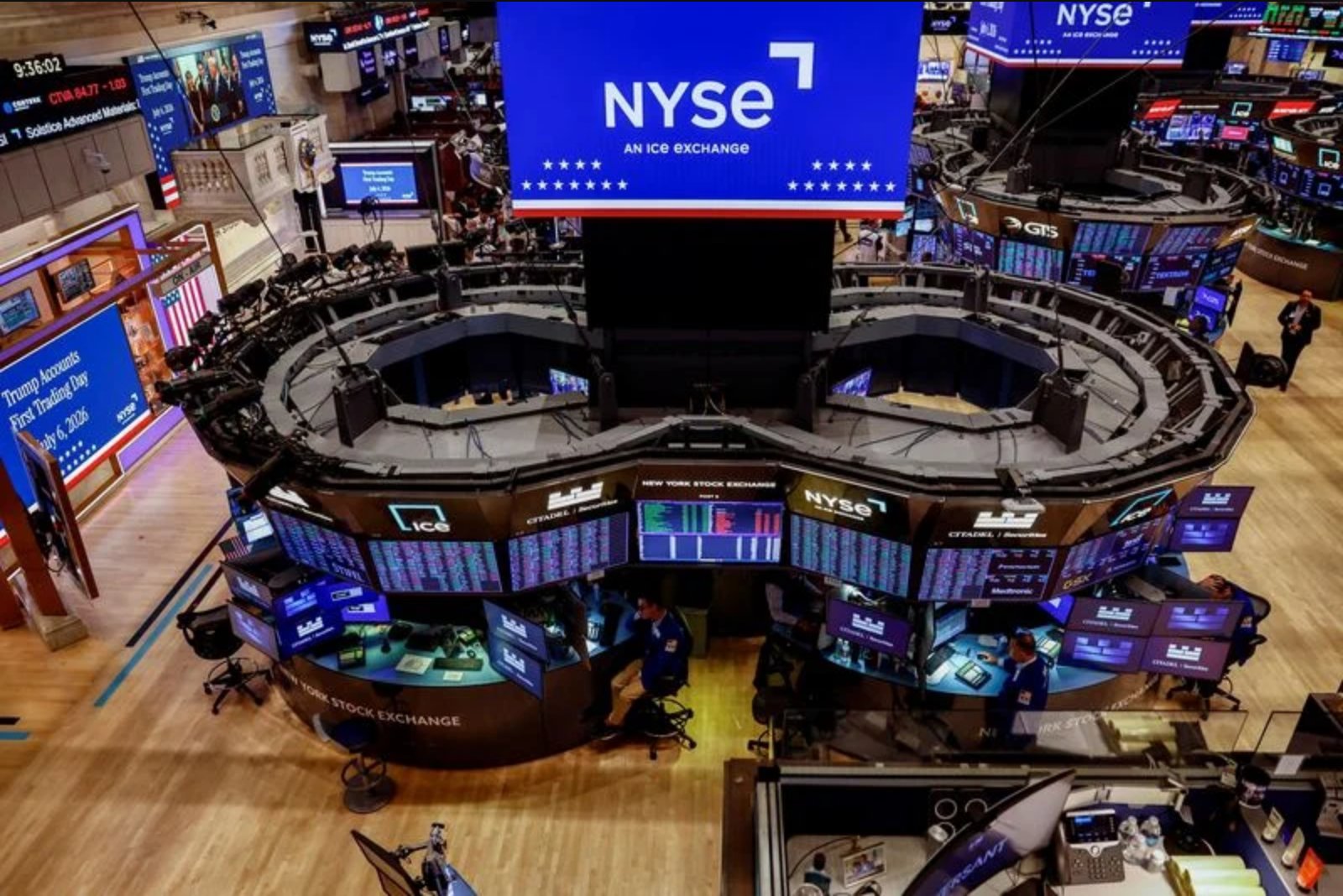
Equity markets across the Atlantic recorded synchronized declines on Tuesday, driven primarily by a sharp downturn in technology shares. Wall Street indexes followed their European counterparts lower as semiconductor stocks experienced significant selling pressure, dragging the broader market down. Concurrently, heightened geopolitical tensions in the Middle East contributed to volatility, with crude oil prices rallying in response to supply concerns and regional instability.
The technology sector, particularly semiconductors, faced substantial headwinds. The Nasdaq Composite suffered notable losses, outperforming the decline seen in European benchmarks like the STOXX 600. Within the U.S. market, the S&P 500 Consumer Staples Index fell by 6.76 percent, while the Nasdaq index dropped 1.77 percent. Specific to the semiconductor industry, the sector saw a dip of over 4.7 percent. In contrast, the energy sector emerged as a relative gainer, with crude oil prices advancing significantly.
Commodity markets reacted strongly to geopolitical developments. Front-month West Texas Intermediate (WTI) and Brent crude futures settled with gains of 2.8 percent and 3.0 percent, respectively. This surge in energy prices occurred against a backdrop of tension in the Strait of Hormuz, where two tankers were reportedly struck. The region's strategic importance was further underscored by large crowds gathering in Qom for the fifth day of mourning over Iran’s Supreme Leader Ayatollah Ali Khamenei, adding to the complexity of the geopolitical landscape.
Despite the equity selloff, the U.S. dollar inched higher. The dollar/yen pair rose by 0.11 percent, with the yen holding near a forty-year low. Traders remained vigilant for potential intervention from Japanese authorities to stabilize the currency. In the fixed income market, benchmark U.S. Treasury yields touched a four-week peak. Investors were closely monitoring geopolitical risks and their potential impact on future rate trajectories.
Other macroeconomic data and policy signals provided context for the market moves. The U.S. trade balance widened in May by 42.1 percent to $77.6 billion, missing analyst expectations by $900,000. On the policy front, New York Federal Reserve President John Williams expressed decreased concern regarding inflation, citing energy price declines as a mitigating factor. However, this optimism contrasted with the immediate spike in crude prices driven by geopolitical events.
Corporate developments also played a role in daily trading activity. Meta Platforms announced the rollout of Muse Image, its first AI image generation model, signaling an expansion of generative AI tools across its applications. Meta shares rose by 2.55 percent. Additionally, SpaceX was added to the Nasdaq 100 index less than a month after its initial public offering on June 12. This inclusion is expected to trigger billions of dollars in passive buying from index funds. Although SpaceX’s stock has gained 10.7 percent from its $135 initial offer price, it has lost 7.7 percent so far this week. Brokerage coverage has been largely bullish, with analysts initiating coverage of the $2 trillion-plus rocket and satellite company.
Political developments in Europe also influenced market sentiment. A French appeals court upheld the conviction of far-right leader Marine Le Pen for misuse of public funds but shortened her ban from running for public office. The ruling requires Le Pen to wear an electronic ankle tag, which may complicate campaign logistics. Despite this, her National Rally party continues to lead in polls, positioning itself strongly ahead of the 2027 presidential election, less than a year before centrist President Emmanuel Macron is scheduled to step down.
Looking ahead, several factors are expected to drive market volatility. Developments in the Middle East and subsequent energy market movements remain primary focal points. Traders will also monitor social media communications from President Donald Trump, particularly following his interference in the World Cup. The United States was eliminated from the tournament following a 4-1 defeat to Belgium, a match overshadowed by allegations that Trump pressured FIFA President Gianni Infantino to review a red-card ban on leading goal scorer Folarin Balogun. Infantino maintained the independence of FIFA’s decision.
Key economic data releases and policy meetings will further influence trading. Investors anticipate the minutes from the U.S. Federal Reserve’s June meeting, which may offer insights into future rate policy. The yen intervention watch continues given the currency’s proximity to historical lows. Additionally, consumer spending and production data from Sweden and Norway for May, along with Sweden’s June CPI and May GDP, will be closely watched. U.S. consumer credit data for May is also slated for release, providing further insight into domestic economic health.
While Meta’s AI advancements and SpaceX’s market integration offer growth narratives, the prevailing sentiment is cautious. Geopolitical risks, energy price volatility, and policy uncertainties continue to shape asset allocation. The interplay between tech sector weakness and energy sector strength highlights the divergent forces currently impacting global markets.