
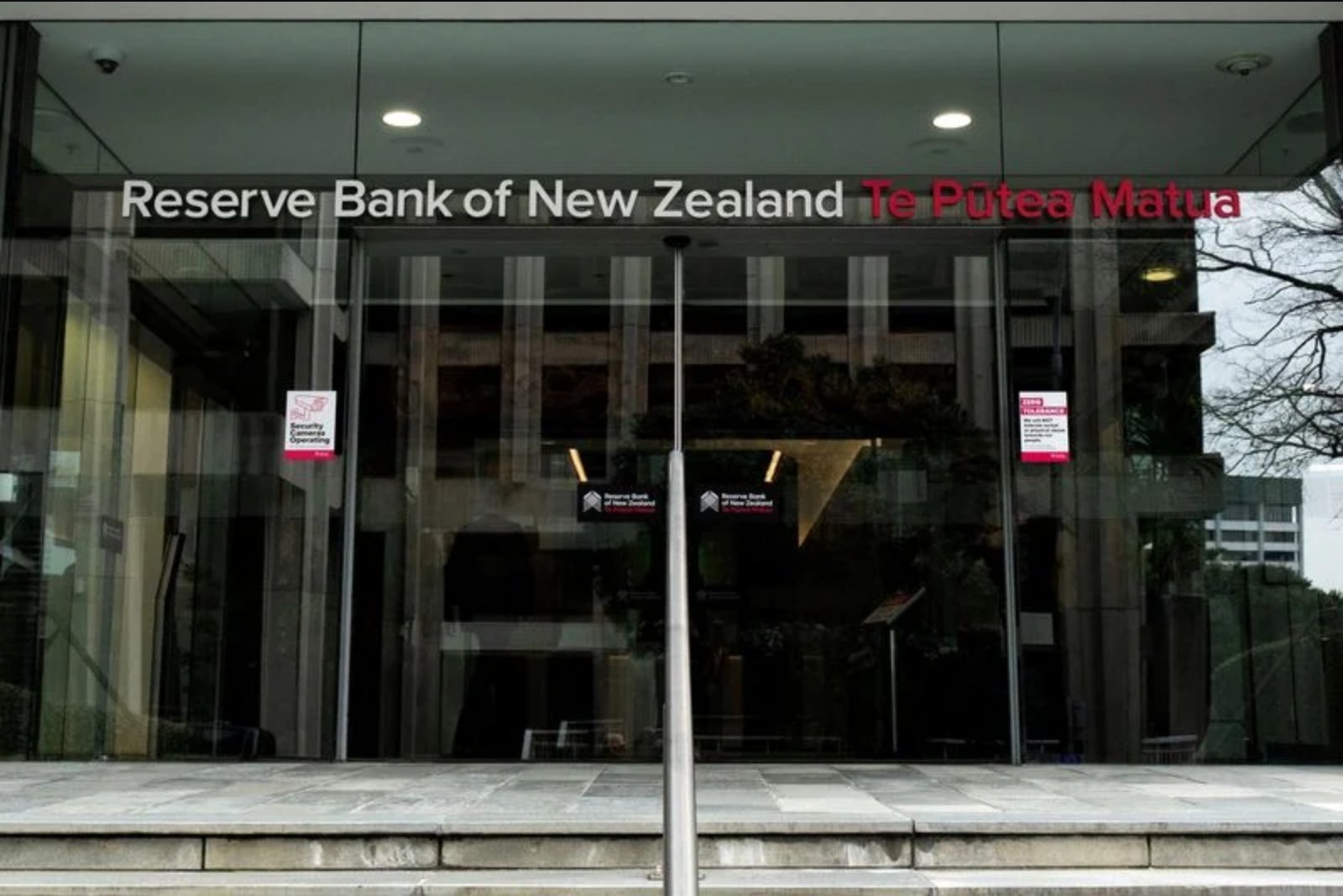
The economic landscape in New Zealand is currently defined by a widening tension between controlling inflationary pressures and managing a deteriorating job market. As the Reserve Bank of New Zealand (RBNZ) moves toward further interest rate increases, there are growing concerns that these actions could intensify a burgeoning employment crisis. This situation places the government's current inflation-centric mandate under scrutiny, particularly as the country prepares for a highly competitive general election.
The central bank is facing a difficult decision-making environment. While policymakers expect energy shocks originating from the Iran war to drive inflation up to 4.3% in the coming months—a figure that sits well above the established target range of 1% to 3%—the domestic labor market is simultaneously showing signs of significant weakness. The unemployment rate is currently hovering at a decade-high level, which complicates the central bank's ability to tighten policy without further impacting workers.
The current regulatory framework for the RBNZ was modified in 2023 when the National Party-led coalition government removed the requirement for the central bank to support full employment. This move fulfilled a campaign promise made by the administration shortly after taking office. While Assistant Governor Karen Silk noted that the RBNZ maintains secondary objectives regarding the prevention of unnecessary volatility in employment and output, she emphasized that the primary focus on inflation remains the absolute priority for the institution.
Although the RBNZ opted against a rate hike during its most recent meeting—a decision described as one of the closest calls in the bank's history—the projected path suggests further tightening. The bank has signaled a minimum of two quarter-point interest rate hikes by the end of this year. Concurrently, forecasts suggest that unemployment is likely to remain at 5.4% for at least another year. This level of unemployment, which had not been observed since late 2015, poses a risk to wage growth and could lead to a decrease in workforce participation.
The weakness of the New Zealand labor market has drawn attention from international economists. Faraz Syed, a senior economist at Citi, remarked that New Zealand’s labor market is uniquely anaemic compared to global trends. Following the RBNZ's hawkish shift, Citi adjusted its outlook from expecting no tightening this year to forecasting rate hikes at each of the next two policy meetings. Syed suggested that if a dual mandate were in place, justifying further rate hikes at this stage of the economic cycle would be significantly more difficult.
The debate over the central bank's mandate is deeply intertwined with New Zealand's political landscape. The dual mandate, which requires the RBNZ to consider both inflation and maximum sustainable employment, was originally implemented in 2018 by a coalition government led by the Labour Party. As the general election approaches on November 7, the Labour Party has indicated it is seriously considering reinstating this dual mandate if it returns to power. Barbara Edmonds, the finance spokesperson for Labour, argued that a dual mandate provides the Monetary Policy Committee with an essential additional tool by incorporating maximum sustainable employment into its considerations.
For Prime Minister Christopher Luxon, the current economic climate presents a difficult political challenge. The tightening of financial conditions is occurring at a time when the job market is already weakening. This situation is viewed as a consequence of the policy shifts enacted when the administration took office in 2023. At that time, inflation was the primary concern, exceeding the top end of the RBNZ target, while the labor market remained tight following the pandemic.
Today, the economy faces the threat of stagflation as it continues to deal with the repercussions of the RBNZ's previous aggressive tightening measures. Jarrod Kerr, chief economist at Kiwibank, noted that many citizens have experienced economic hardship over the last three years and expressed concern that adding interest rate hikes to an existing cost-of-living crisis could worsen the situation.
Despite these pressures, the current government maintains its policy stance. Finance Minister Nicola Willis stated that prioritizing price stability is the most effective way to foster the economic growth necessary for job creation, though she clarified that the central bank does not ignore broader economic indicators. However, a significant downturn in employment could influence the upcoming election results. Current polling suggests the race is too close to call, with an Ipsos Issues Monitor indicating that while National holds an advantage in broad economic management, Labour is perceived as more capable of managing inflation, housing, and unemployment.
Political commentator Gareth Hughes highlighted that unemployment is poised to be a critical issue for voters. While complex metrics like GDP rates, inflation forecasts, or Official Cash Rate settings may remain abstract to the general public, the tangible reality of employment status among family and neighbors will likely drive voter sentiment.