
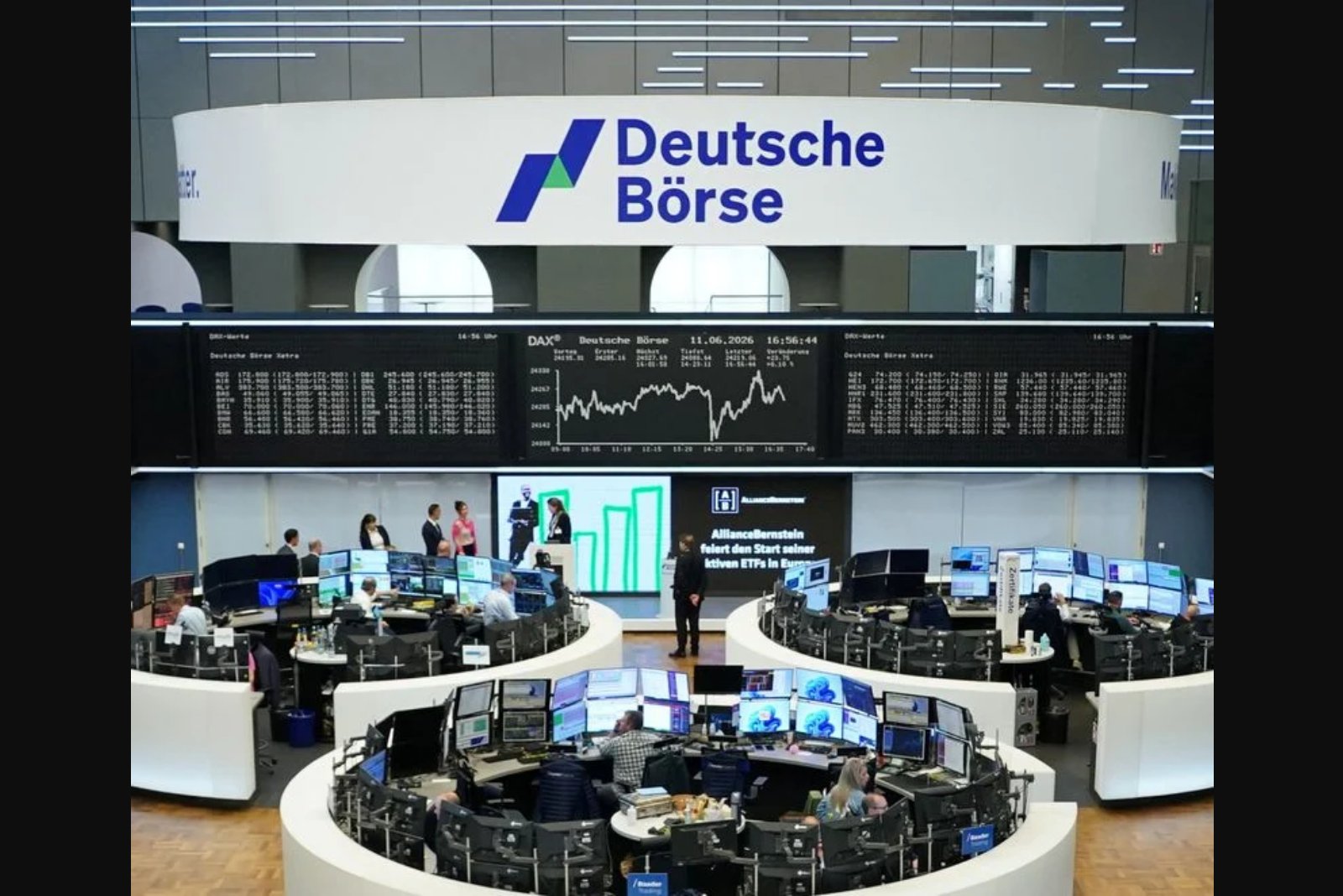
Financial markets opened the day buoyed by renewed optimism that a diplomatic breakthrough in the Gulf could be imminent. A US president’s repeated claims of an approaching deal with Iran, this time accompanied by a precise plan - a weekend signing ceremony in Europe with his vice president - was sufficient to prompt a broad risk-on response among investors.
The immediate reaction across Asia was pronounced. South Korean equities surged by roughly 8%, while Japan’s Nikkei advanced about 3.5%. European exchanges were set to begin trading nearly 2% higher, and Wall Street futures added to the strength seen overnight. The rally extended beyond equities: bond markets rallied as oil prices declined to two-month lows, easing some near-term inflation concerns.
Despite the market enthusiasm, developments on the ground remained ambiguous. Iran reportedly launched attacks on ships in the Strait of Hormuz, then issued statements denying that it had reached a final decision on any agreement and reiterating an unwillingness to compromise on its so-called red-line demands. Those mixed signals produced the paradox of strong investor risk-taking alongside unresolved geopolitical tension.
Monetary policy dynamics added further nuance. The European Central Bank recently raised interest rates for the first time in nearly three years - a move framed as an attempt to prevent war-driven inflation from taking hold. Yet, if shipping through the Strait of Hormuz reopens promptly and energy-market pressures ease, the prospect of a follow-up ECB hike in the coming month may diminish.
For Kevin Warsh, who is due to chair his first U.S. Federal Reserve meeting next week, the arrival of a peace deal would represent a significant relief, potentially even reviving conversations about rate cuts. That possibility hinges entirely on whether diplomatic progress translates into sustained reductions in energy and inflationary pressure.
Central bank staffing and health developments also featured on investors’ radar. Bank of Japan Governor Kazuo Ueda is expected to miss next week’s policy meeting while recovering from a liver cyst; that meeting is widely anticipated to consider a rise in the BOJ’s policy rate to 1%. In Russia, the central bank is scheduled to convene next Friday, but its governor, Elvira Nabiullina, has not been publicly seen since May 28 due to illness. Russia’s president has signalled an expectation of a rate cut, underscoring political pressure on monetary settings in some jurisdictions.
Separately, a major corporate milestone is unfolding that could feed into market sentiment: SpaceX begins trading on the NASDAQ today after a record $75 billion fundraising that set a company valuation of $1.77 trillion and elevated its founder into the position of the world’s first trillionaire, a milestone noted for its novelty. A robust market debut would add another bullish element to the prevailing risk-on tone.
Key items to watch for the remainder of the week include:
- The likelihood and timing of any formal peace agreement in the Gulf and the operational status of the Strait of Hormuz
- SpaceX’s first day of trading on the NASDAQ
- June consumer sentiment readings from the University of Michigan
- Monthly UK GDP figures and final May CPI prints for France and Germany