
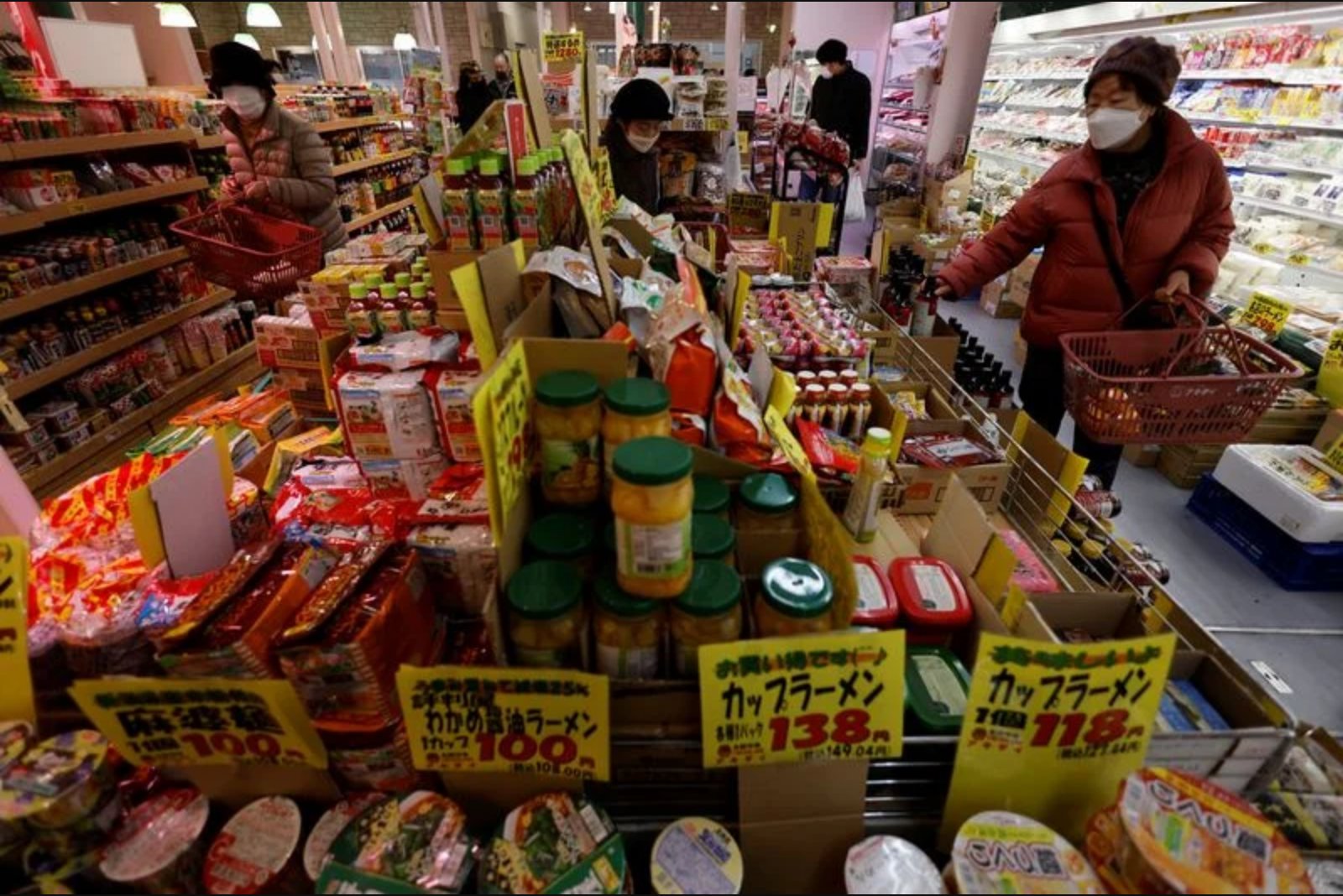
TOKYO – Japan’s core consumer inflation is projected to remain largely unchanged in May, continuing its fourth consecutive month of readings below the Bank of Japan’s 2% target. This stabilization occurs against the backdrop of ending government fuel subsidies and ongoing geopolitical tensions affecting energy markets, according to a Reuters poll of economists published on Friday.
The nationwide core consumer price index, which tracks inflation by including energy items but excluding volatile fresh food prices, is expected to have risen 1.4% in May from a year earlier. This projection mirrors April’s figure, which recorded the slowest annual increase since March 2022. The data will be officially released by Japan's Internal Affairs Ministry at 8:30 a.m. on Friday, June 19 (2330 GMT on June 18).
Key Macroeconomic Indicators and Market Dynamics
- Stabilizing Core Inflation: The core CPI is expected to hold steady at a year-on-year increase of 1.4% in May, maintaining the slowest growth rate observed since early 2022.
- Wholesale Price Acceleration: Wholesale prices surged at their fastest pace in three years, rising 6.3% from a year earlier as businesses continue to transmit elevated energy costs stemming from the U.S.-Iran conflict into supply chains.
- Policymaker Strategy Shift: The Bank of Japan is scheduled to conclude a two-day policy meeting next Tuesday with an anticipated interest rate hike to 1.00%, marking a 31-year peak in borrowing costs.
The stabilization in headline inflation masks divergent forces at play within the consumer basket. Keisuke Kobayashi, an analyst at MUFG Research & Consulting, highlighted the competing pressures shaping these metrics: "Although the rate of increase in food prices excluding fresh food is continuing to moderate, the pace of decline in energy prices has narrowed due to the situation in Iran, so the year-on-year rate is likely to remain unchanged from the previous month." This dynamic illustrates how moderation in one category is being offset by persistent pricing pressures in another.
Fiscal Buffers and Forward-Looking Risks
Looking ahead, analysts anticipate that surging fuel costs linked to Middle East conflict will accelerate broader price growth in the coming months. To mitigate the immediate impact of these energy shocks on households, the government finalized a supplementary budget earlier this month allocating $19 billion for the current fiscal year. This fiscal intervention aims to cushion domestic consumption against external geopolitical volatility.
The central bank’s upcoming decision carries significant weight for capital allocation and market sentiment. The Bank of Japan is positioned to raise interest rates to 1.00%, undeterred by the absence of its governor, signaling a strong institutional commitment to counter inflation risks emanating from the Middle East war.
Risks and Economic Uncertainties
- Geopolitical Energy Shocks: The ongoing conflict involving Iran is directly suppressing the rate of decline in domestic energy prices, creating a floor for consumer costs that could derail disinflation trends if hostilities escalate.
- Policymaker Execution Risk: The Bank of Japan is proceeding with aggressive tightening despite leadership gaps, raising questions about operational continuity and the market's ability to absorb rapid rate adjustments without volatility in currency or equity markets.
- Fiscal Sustainability Pressures: While the $19 billion supplementary budget provides temporary relief for households, long-term fiscal strain may emerge if energy-dependent sectors continue to pass elevated wholesale costs onto consumers despite government subsidies.
The interplay between moderating food price inflation and resilient energy costs defines Japan's current economic landscape. As the central bank prepares to normalize monetary policy at a pace unseen in decades, market participants must navigate an environment where external geopolitical risks continue to exert tangible influence over domestic pricing structures.