
India's annual consumer inflation rate increased to 3.93% in May, according to official figures released on Friday. The reading remained inside the Reserve Bank of India's 4% target, and came in below the economists' consensus estimate of 4.02%.
The April headline rate was 3.48%.
Markets reacted modestly to the report. Government bond yields extended recent gains, with the 10-year benchmark yield falling by 3 basis points to 6.89% after the data release.
The inflation update arrives one week after the RBI opted to keep its policy interest rates unchanged. In its statement, the central bank said it would wait for clearer signals on inflation before altering policy settings.
Indian policymakers have announced a series of measures aimed at boosting foreign capital inflows and stemming the currency's decline. Officials say those steps have eased some of the immediate pressure on the central bank to use interest-rate changes to support the rupee.
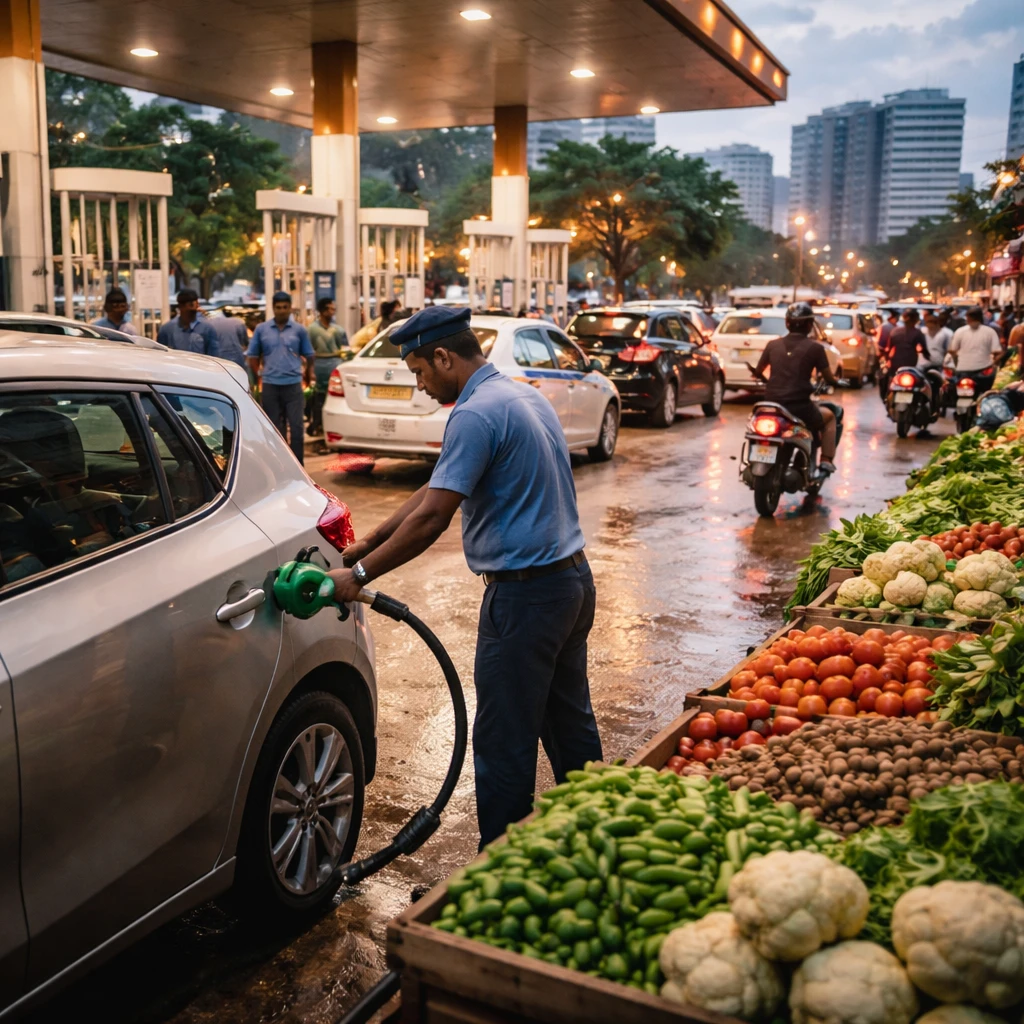
Energy costs remain a significant influence on the inflation profile. India is a heavy importer of crude oil and fuel, and the conflict in Iran has pushed energy prices higher, feeding through to the broader economy. State-owned refiners raised domestic fuel prices in May, although those increases have lagged the rise in international crude prices since the conflict began at the end of February.
On Friday the government introduced a further measure to relieve state-owned fuel retailers. Authorities imposed limits on diesel sales for 90 days after state-owned stations reported difficulties in meeting heightened demand while selling fuel at prices below prevailing market levels.
Food inflation, which accounts for roughly 37% of the consumer basket, rose to 4.78% year-on-year in May, up from 4.20% in April. High energy costs and weather-related risks were cited as continuing influences on price pressures.
Last week the central bank updated its inflation projection for the fiscal year through March 2027, raising the forecast to 5.1% from a prior estimate of 4.6%.
Overall, the May CPI reading kept headline inflation under the RBI's target but highlighted persistent upside risks from energy prices and supply-side factors that policymakers and markets continue to monitor.
Key sectors potentially affected:
- Fixed-income markets and government bonds
- Energy and fuel retailers
- Consumer-facing sectors where food is a large input cost
- Foreign exchange markets via pressures on the rupee