
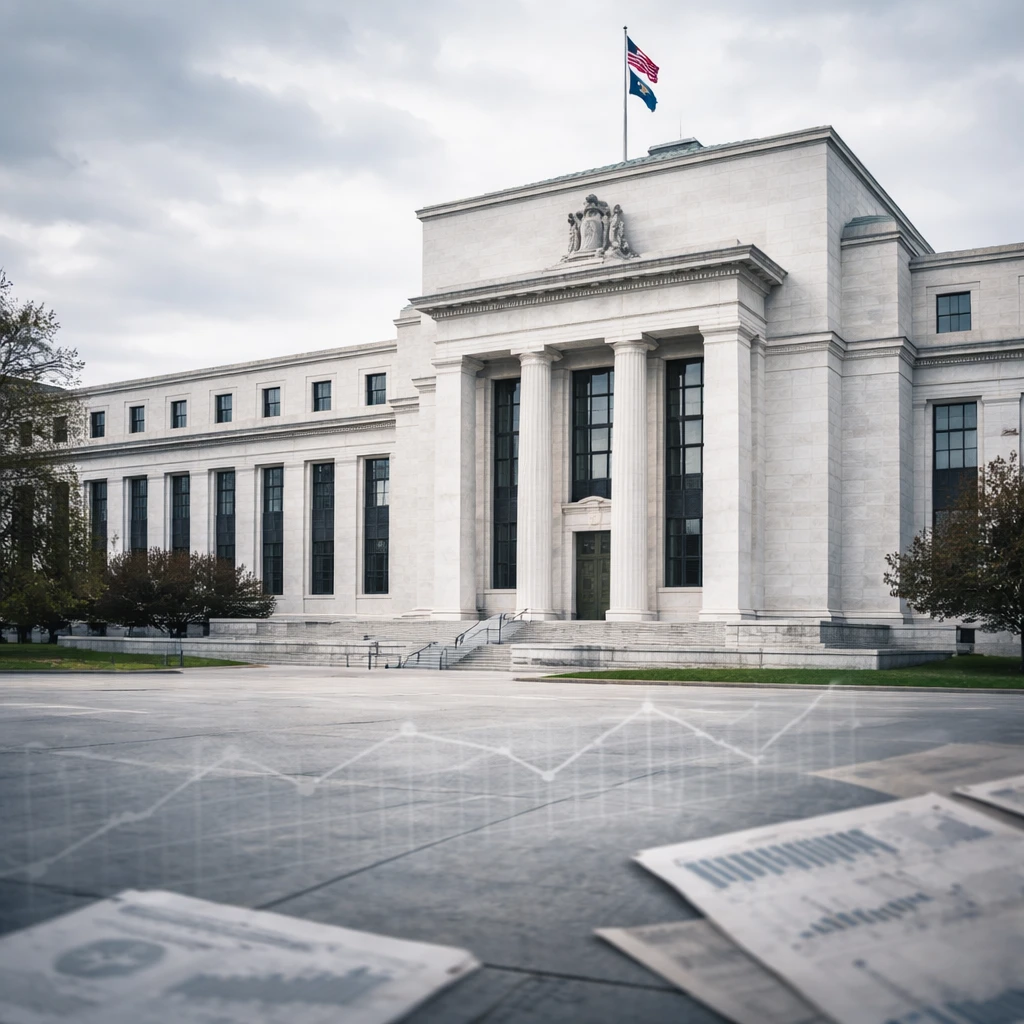
The Federal Reserve has renewed its pledge to maintain price stability and emphasized its readiness to intervene decisively to cap longer-term inflation expectations. These directives were outlined in the central bank's semiannual monetary policy report, released on Friday. The document is formally submitted to the U.S. Senate Committee on Banking, Housing, and Urban Affairs, as well as the House Committee on Financial Services. New Fed Chair Kevin Warsh is scheduled to deliver testimony to both legislative bodies in the coming week.
Macroeconomic conditions have been heavily influenced by inflationary dynamics over recent months. A sharp increase in oil prices, triggered by the Middle East conflict, introduced an inflationary shock that impacted the U.S. economy during March, April, and May. However, crude oil prices retreated to pre-conflict levels by the end of June, following an interim peace agreement between the U.S. and Iran, which temporarily alleviated inflationary concerns. These fears were rekindled in the current week following the most significant escalation between the opposing parties since the implementation of their respective deal.
In its analysis, the Fed identified several specific drivers contributing to higher measured prices. The central bank cited earlier tariff increases that elevated domestic costs for certain imported goods. Additionally, it pointed to a surge in energy prices linked to constraints on oil supplies following the onset of the Middle East conflict in late February. The report also highlighted increased demand for select high-tech products that underpin artificial intelligence applications. These factors collectively influenced the inflation trajectory during the reporting period.
Regarding expectations, the central bank observed that shorter-term inflation measures rose in response to the earlier spike in energy prices. In contrast, most indicators of longer-term inflation expectations have stayed within the range of values recorded during the decade preceding the pandemic. The Fed stated that these longer-term expectations remain broadly consistent with the Federal Open Market Committee's long-run objective of 2 percent inflation.
Market analysts and economists anticipate that key U.S. consumer and producer inflation data, scheduled for release next week, will indicate that price pressures largely peaked in May and have since moderated in June. The Fed reaffirmed that price stability is fundamental for a sound and stable economy, supporting the well-being of all Americans. It also reiterated that its longer-term 2% target, measured by the annual change in the personal consumption expenditures price index, is the most appropriate metric for fulfilling its inflation mandate.
The central bank emphasized that the Committee is prepared to act forcefully to ensure that longer-term inflation expectations remain well anchored. It also noted that alternative inflation gauges, such as the Dallas Fed's trimmed mean measure of PCE prices, experienced a year-over-year decline in May. This development aligns with comments from Fed Chair Kevin Warsh last month, where he noted that policymakers needed to broaden their perspective on inflation metrics to better comprehend price pressures. Chair Warsh has established five task forces to conduct a comprehensive review of operations, with one specifically dedicated to addressing inflation frameworks.
Furthermore, the minutes from the Fed's June 16-17 meeting, published earlier this week, revealed an evenly split debate among policymakers regarding the outlook for interest rates. This division underscores the complexity of navigating monetary policy amid fluctuating economic signals.