
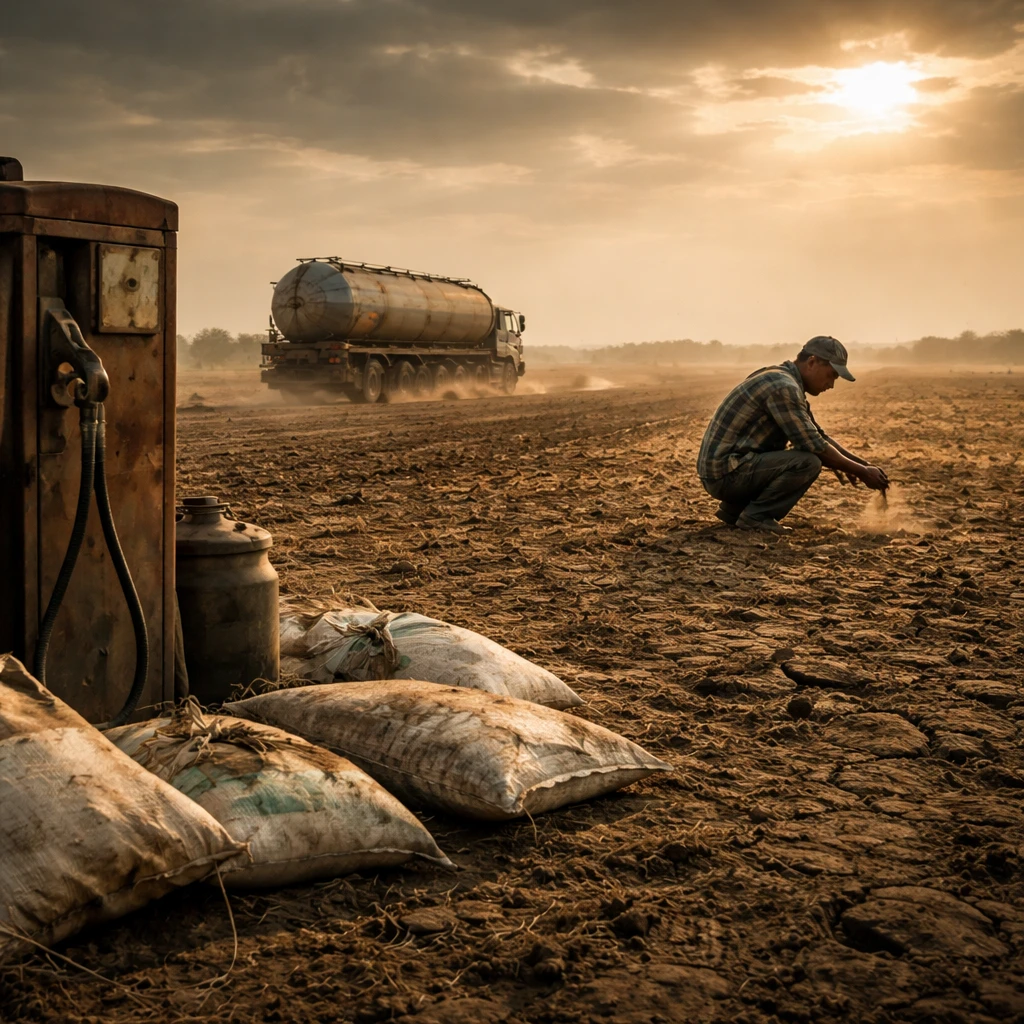
The global food system faces renewed inflationary pressure as a combination of geopolitical conflict and climatic forces squeeze inputs and yields, the United Nations Food and Agriculture Organization (FAO) warned. The FAO's chief economist said the interaction of wars in Iran and Ukraine, rising crude oil prices, disruptions to fertiliser and diesel supplies and an intensifying El Nino could push commodity costs higher and feed into consumer food prices.
Food was a major contributor to the 2022 surge in global inflation, but prices have been relatively calm this year, in some places offsetting the broader impact of elevated energy costs. The FAO cautioned that this respite is likely temporary. "I expect that commodity prices will start to increase more now ... and food prices will start increasing by the end of the year, and next year for sure they will increase more," Maximo Torero said in an interview. He added that "The transmission from the commodity to the final food price is around three to six months."
Several channels are already exerting upward pressure on costs. Higher crude oil levels affect activities across the agricultural value chain, from pumping and processing to packaging and transport. Interruptions to fertiliser supplies from the Gulf region reduce access to key crop inputs, while diesel shortages in parts of the world impair field work and logistics. Torero noted the systemic nature of the risk: "The Strait of Hormuz is a problem that affects all the inputs of agricultural commodities, agricultural systems." He singled out both oil and gas, saying "Brent oil, because it’s used for pumping, packaging, processing, and transportation. And natural gas because it’s used for fertilisers."
Compounding these input shocks, damage to oil and gas infrastructure arising from the conflict in Ukraine has narrowed the market for diesel and natural gas exports, further tightening supplies relevant to food production. Because commodity markets are global, these constraints reverberate internationally even where wealthier countries can provide financial buffers to producers.
Torero emphasised the broad reach of the pressures: "You’re hearing this in Europe, in the U.S., Brazil and in Asia," and warned that rising input costs are compressing margins and influencing farmers' planting choices. "Tight margins are putting stress in planting decisions."
Industry reporting cited by the FAO context shows producers are already feeling the strain. The American Farm Bureau Federation said that without federal assistance, farmers producing nine principal crops could face a $32 billion loss in 2027. On a per-acre basis, the group projected that every crop analysed would remain below breakeven that year.
Planting choices have shifted in response to higher input costs. Global wheat and corn planting was reduced in the first three months of the Iran war, while some U.S. growers moved toward soybeans because they require lower fertiliser inputs. Australia, a major crop exporter, has reported that winter crop production is seen down by 21 percent in part because of a significant increase in fuel and fertiliser prices and uncertainty over the availability of key inputs.
Weather risks add another layer of uncertainty. This year's El Nino is expected to be especially strong, with sizeable shifts in rainfall patterns that could affect harvests and commodity prices. The FAO warned that such weather disruption has the potential to push tens of millions of people into acute food insecurity. In South Asia, the monsoon in India is already delayed and rainfall is below average this month, a development that could dent rice production and influence global rice costs.
Despite recent rises in some commodity prices such as wheat, maize and rice, the FAO noted that most current prices still reflect relatively good harvests to date rather than foreseen production difficulties in the coming year. Nonetheless, the combination of higher energy prices, constrained fertiliser supplies, diesel shortages and extreme weather is expected to feed through to costs and, after a lag, reach consumers.
Analysts and market participants monitoring food, agriculture inputs, and distribution chains should prepare for the possibility of renewed food price inflation by late this year and into next. The FAO's timeline for price transmission implies that changes in commodity markets over coming months could become evident in retail price indexes with a three- to six-month delay.