
BERLIN - Germany's economy is at risk of slipping into a technical recession this year as an energy price shock linked to the war in Iran undermines a fragile recovery, the DIW economic institute said on Wednesday.
In a revision that halved its 2026 growth forecast, DIW Berlin now anticipates Europe’s largest economy will expand by 0.5% in the current year and by 0.8% in 2027. Those projections lie roughly half a percentage point below the institute's spring estimates. DIW signalled that output is likely to decline marginally in both the second and third quarters before showing signs of stabilisation toward the end of the year.
Many economists treat a recession as two consecutive quarters of negative gross domestic product growth - a threshold DIW's scenario could meet if the forecast contractions in the middle of the year materialise.
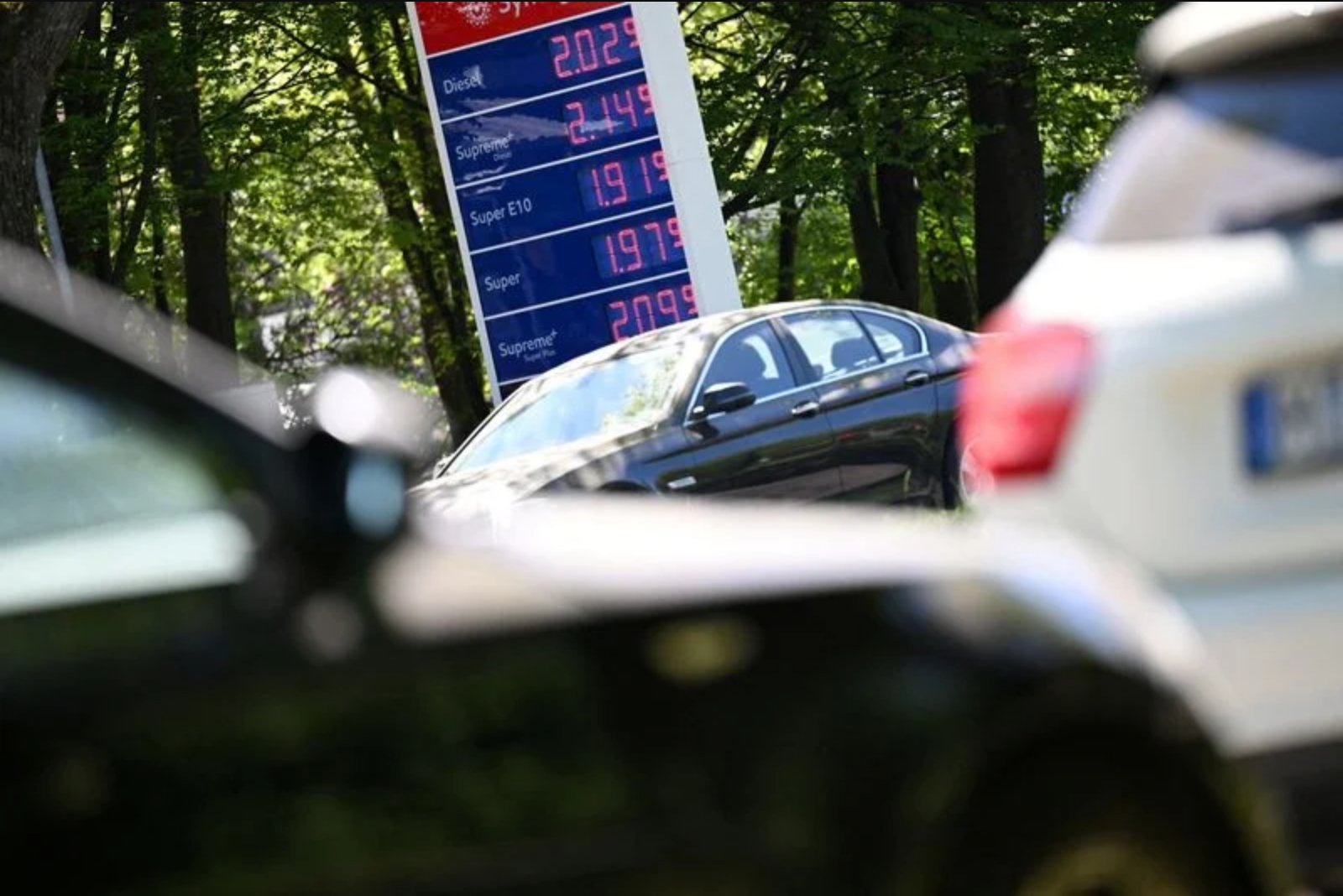
DIW pointed to higher oil and gas prices as the primary driver of the setback. The institute said these energy costs are pushing up consumer prices, weakening household purchasing power and raising uncertainty among companies. DIW projects inflation of 2.9% for this year and 3.0% in 2027, both figures above the European Central Bank's 2% target.
Commenting on the revision, DIW's head of forecasting, Geraldine Dany-Knedlik, said: "The energy price shock is noticeably slowing the recovery - but we are not experiencing a repeat of 2022/23." She added that energy supply remained secure and that Germany was less dependent on fossil fuel imports than after Russia's full-scale invasion of Ukraine.
DIW also noted that higher public spending is mitigating a deeper downturn. The institute cited elevated defence expenditure and allocations for infrastructure as factors that are preventing an even sharper economic contraction.
Implications
The institute's update highlights a near-term trade-off: a weaker growth outlook driven by energy-driven inflation, alongside fiscal measures that temper the decline. Households face squeezed purchasing power from higher consumer prices, while companies must contend with increased uncertainty as energy costs rise. Public investment and defence spending are acting as counterweights that reduce the severity of the downturn.