
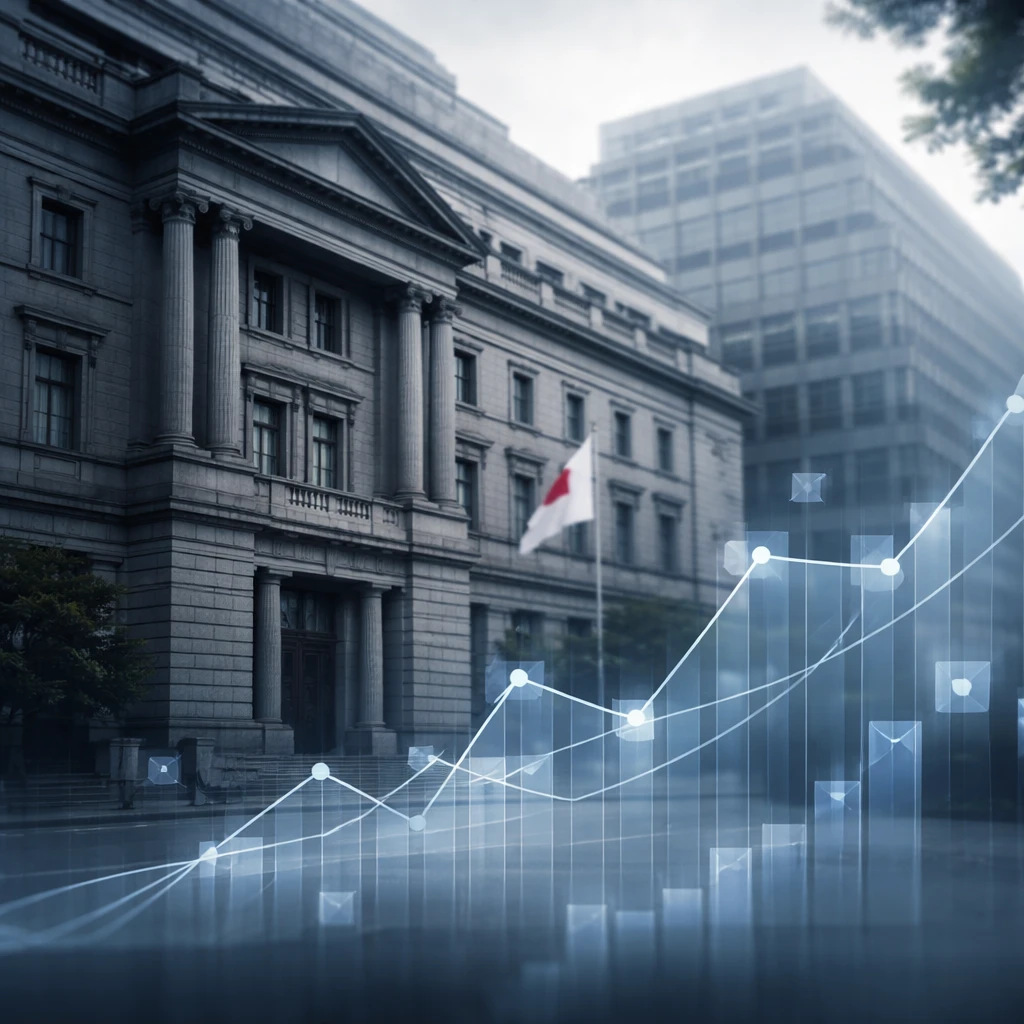
Minutes from the Bank of Japan’s June policy meeting, published on Wednesday, reveal internal deliberations regarding accelerating consumer price pressures and the pace of monetary normalization. The central bank elevated its benchmark rate to a 31-year high of 1 percent during that session. The decision occurred against a backdrop of compounding inflationary forces, specifically elevated fuel expenditures stemming from geopolitical tensions in the Middle East, a depreciating domestic currency, and a constrained domestic labor market.
Key Market and Policy Developments
- Board members projected that consumer inflation would likely experience a substantial increase during the latter half of the ongoing fiscal year, driven by corporate strategies to implement broad-based pricing adjustments across multiple product categories.
- Two of the eight voting board members advocated for a more aggressive tightening trajectory. Their position aimed to advance the policy rate toward thresholds considered economically neutral.
- From a capital allocation and utility sector perspective, the convergence of commodity price volatility and currency depreciation directly influences cash flow durability. Elevated energy input costs require careful balance sheet management as firms navigate transmission pricing mechanisms.
Risks and Uncertainties
- The absence of Governor Kazuo Ueda from the June gathering introduces a temporary leadership gap during a critical policy window. His hospitalization means internal deliberations proceeded without executive oversight at the meeting itself.
- Corporate pricing strategies may face demand elasticity constraints. While firms are actively adjusting price points, prolonged inflationary momentum could eventually pressure consumer spending and alter sector-specific revenue projections.
- Interest rate normalization impacts cross-border capital flows and fixed income valuations. Faster tightening to neutral levels could recalibrate yield curves, influencing long-term investment strategies in energy infrastructure and utility financing.
The documented minutes underscore the delicate balance between containing entrenched price increases and maintaining economic stability. As monetary policy adjusts to shifting commodity dynamics and labor market conditions, market participants will continue monitoring how rate trajectories interact with underlying inflationary pressures and corporate pricing power. The interplay between fuel cost escalations, currency valuation, and wage dynamics will remain a central focus for sector analysts assessing long-term profitability and capital deployment.