
Overview
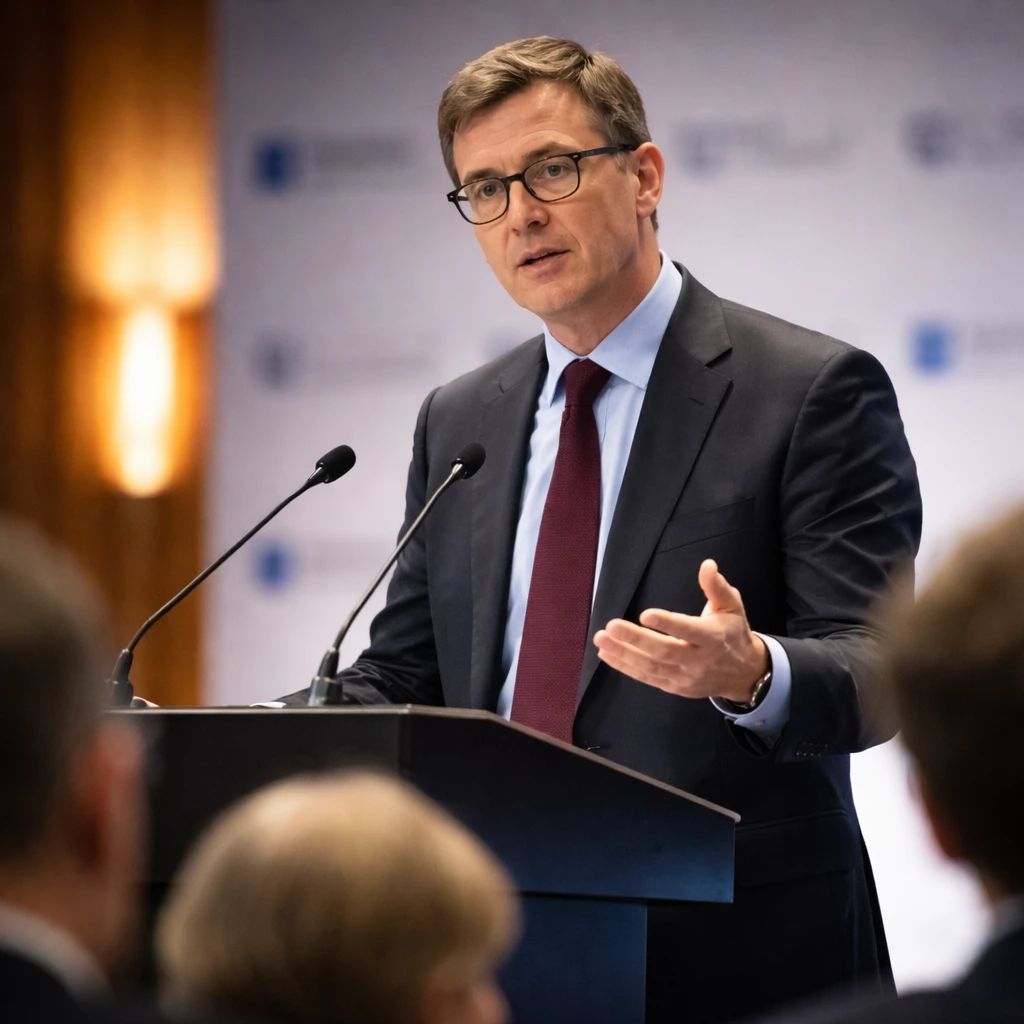
Bank of England policymaker Alan Taylor said at a Barclays and CEPR-hosted event that he expects a more limited second-round inflation response from recent energy price increases linked to the Iran war than the economy experienced following Russia's invasion of Ukraine in 2022.
Timing of wage settlements
Taylor noted the timing of collective wage settlements this year as a key reason for his assessment. "Second round effects, what have we seen? Not much yet," he said, adding that the timing of the shock was important. He observed that most wage settlements for this year were agreed in March and April - before the energy shock hit - whereas in 2022 the shock occurred earlier in the year.
The policymaker suggested that because those settlements are already in place, a sizeable pass-through from higher energy-driven inflation into wage figures is unlikely to show up until next year.
Historical comparison
Taylor drew a parallel with 2011, arguing the current pattern resembles that earlier episode more than 2022. In 2011 there was little pass-through from rising inflation into wages, he said, attributing that outcome to a weak labour market in the aftermath of the global financial crisis.
Monetary policy considerations
He also flagged that the skew of Bank of England quantitative tightening (QT) sales remains a consideration for this year’s monetary decision, as it was in 2025. Taylor indicated this QT sales skew remains in play when policymakers assess the stance and tools of policy.
Implications and context in the remarks
Taylor’s comments focused on wage dynamics, their timing relative to the recent energy shock, and the continued relevance of QT sales posture in BoE deliberations. He emphasised limited evidence so far of second-round effects and highlighted that wage settlement timing is a central factor delaying potential pass-through into pay data until the following year.