
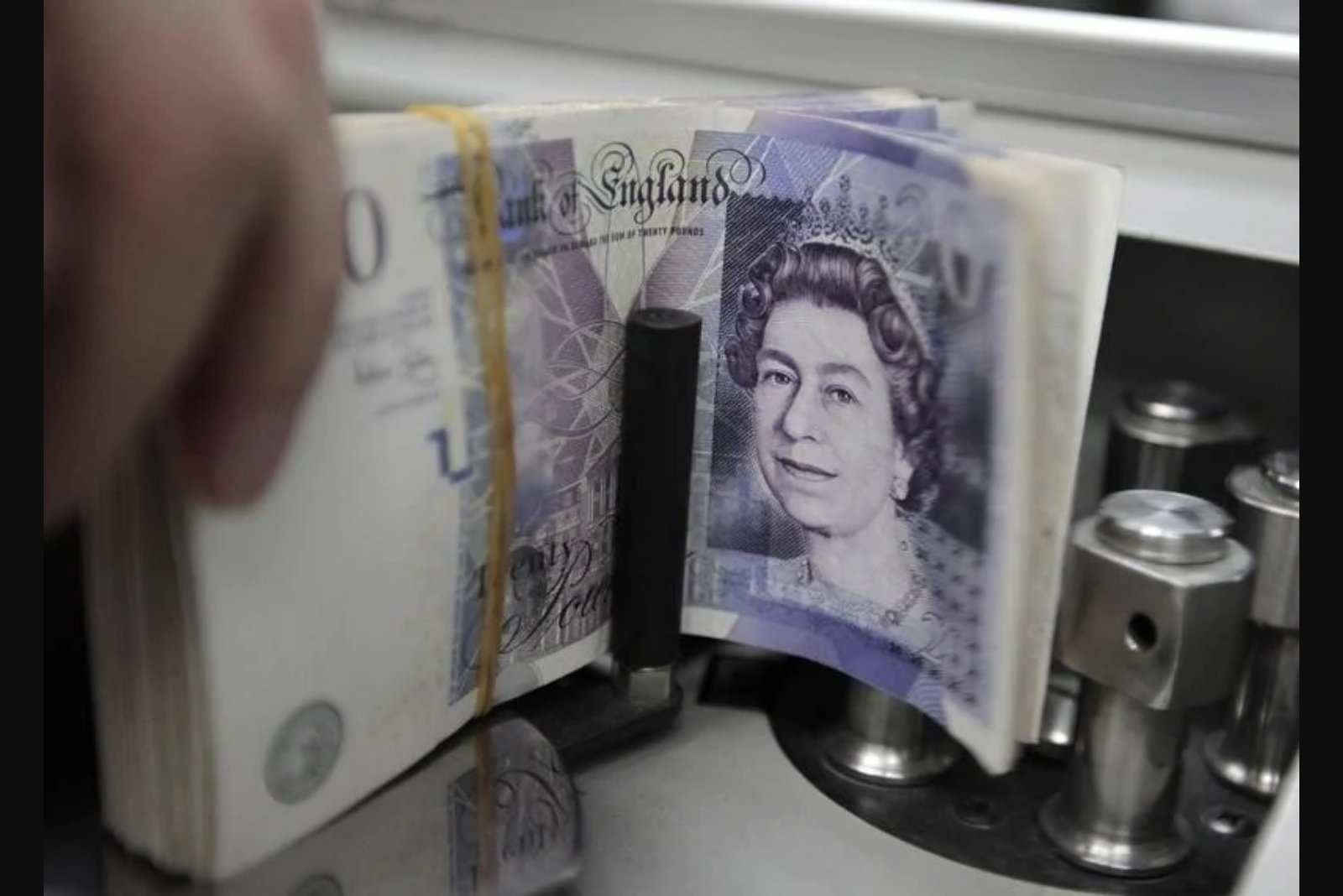
Sterling retreated slightly on Tuesday while the euro remained steady as the U.S. dollar recovered from an earlier dip and investors continued to factor in the possibility of further Federal Reserve tightening.
As of 04:13 ET (09:13 GMT), the pound was down 0.03% at $1.3434 after having traded higher earlier in the session. The euro rose 0.06% to $1.1231 over the same timeframe.
Traders had initially pushed the dollar lower on hopes for progress toward a U.S.-Iran détente and on the effect of cheaper oil, but those moves have so far looked like a pause rather than a decisive change in trend.
ING strategist Chris Turner wrote that "the dollar should stay supported by strong US growth, high inflation and a Fed threatening to tighten before weakening next spring as inflation falls." Turner added that he expects the Fed to remain hawkish in the first quarter because "decent US growth and above-3% inflation keep money markets pricing in the threat of an extended tightening cycle." He further said he sees that shifting in the second quarter when "energy-driven base effects drop out of headline inflation and a return to the Fed’s 2% inflation target sees short-dated US rates move meaningfully lower."
HSBC’s Daily FX Focus noted the dollar index at 101.67 at the last close, down 0.12% on the week but still up 3.46% so far this year.
Movements in the pound this week did not appear to be driven by fresh UK data. HSBC commented that with "no key economic data released, the pound gained mostly from dollar weakness," and that falling oil prices helped ease some valuation pressure in technology names. On the policy front, the Bank of England raised interest rates this month, and HSBC’s technical outlook places GBP/USD support at $1.3304 and resistance at $1.3541, flagging an uptrend against the dollar.
The euro's modest uptick came despite a deterioration in eurozone investor confidence: the Sentix index dropped to 2.4 from 2.7. The European Central Bank left rates unchanged in October. ING highlighted a potential risk premium building into the euro ahead of April’s French elections, and Turner suggested a likely near-term trading range, saying, "We therefore see EUR/USD trading offered in a 1.10-15 range over the next four to five months." HSBC’s technical levels for EUR/USD are support at $1.1127 and resistance at $1.1296.
Looking further out, Turner anticipates "a gentle recovery in EUR/USD towards 1.18 by year-end 2027," should U.S. rates moderate, energy prices soften and political developments in France become clearer. An LSEG consensus cited by HSBC places EUR/USD at $1.1300 and GBP/USD at $1.3300 in the first quarter of 2027.
HSBC and ING analysts flagged two potential developments that could materially alter these outlooks. First, in an "AI bust" scenario, Turner noted the dollar would fall, referencing an IMF estimate of a 6% drop, although he warned a liquidity squeeze could trigger an initial dollar rally instead. Second, a decisive Marine Le Pen victory in April combined with French budget clarity, or a positive surprise in overseas growth, could prompt a rotation into European assets and accelerate a euro rally.
For now, currency markets remain sensitive to U.S. macro momentum, inflation readings and central bank rhetoric, with energy prices and political developments in Europe providing near-term sources of volatility. Traders and strategists will be watching incoming data and policy signals for confirmation of the path that Turner and other forecasters have outlined.