
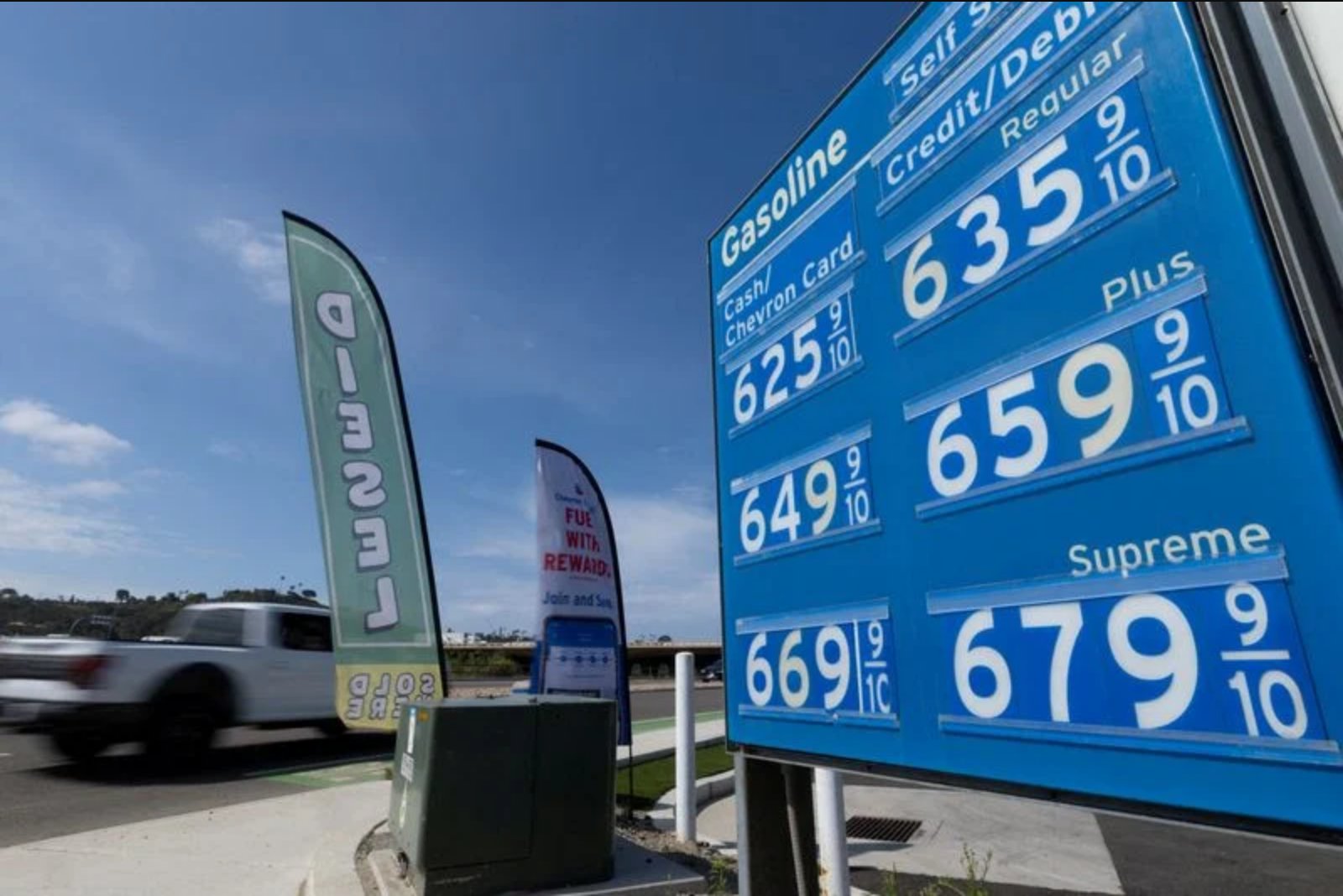
The White House has urged federal environmental regulators to grant broader relief to small petroleum refineries by allowing them to blend less biofuel into gasoline and diesel than currently projected, according to two administration officials. The request forms part of an administration effort to relieve upward pressure on pump prices.
Under federal statute, refiners must blend tens of billions of gallons of biofuels, such as corn-based ethanol, into the nation's fuel pool, or purchase renewable blending credits known as renewable identification numbers, or RINs, from entities that do blend biofuels. Each gallon of biofuel produced generates RINs that refiners can use to demonstrate compliance.
Smaller refining operations can apply for exemptions if they can show that the standard blending requirements create financial hardship. The Environmental Protection Agency is currently reviewing 34 such exemption requests and had projected approving enough waivers to cover roughly one billion RINs of biofuel blending obligations for the year. The EPA said a decision is expected by the end of this month.
Administration officials said the White House in recent meetings has pressed the EPA to authorize a larger volume of waivers than that earlier projection. The push is reported to be driven by senior adviser Stephen Miller, the administration's Energy Dominance Council and other policy advisers focused on alleviating high energy costs.
Industry expectations and EPA position
Several oil and biofuel industry representatives who were briefed by the administration said they expect the EPA could ultimately approve between 1.2 and 1.8 billion RINs in small refinery exemptions. Such a scale of waivers would materially lower the effective biofuel blending obligations for the year, from the record level the EPA set at 26.81 billion RINs for 2026.
The EPA has stated that it is not being directed by the White House on which individual waiver requests to approve or deny, and that no final decisions have yet been made. Representatives of Stephen Miller did not respond to a request for comment. The White House deferred comments to the EPA.
Political and market dynamics
The debate over expanding the small-refinery exemption program revives a contentious policy fight. The issue was a flashpoint during the prior administration, when exemptions were expanded significantly to address refining industry concerns while prompting anger among agricultural stakeholders in the Farm Belt.
Senior administration officials pressing for wider waivers say their position is shaped by concerns about rising gasoline prices since the U.S. conflict with Iran interrupted Middle East oil exports through the Strait of Hormuz. High pump prices are viewed internally as a potential political liability for Republican officeholders as they head into the November midterm elections.
Refining companies contend that larger biofuel blending obligations increase gasoline costs by raising refiners' operating expenses. Biofuel proponents dispute that claim, arguing ethanol tends to lower retail fuel prices by augmenting supply with a relatively low-cost additive.
In addition to the waiver push, the administration has taken other steps intended to reduce fuel costs, including releasing emergency petroleum reserves and temporarily waiving certain anti-smog gasoline regulations during summer months. Despite those measures, retail fuel prices have remained stubbornly above $4 per gallon.
Reaction from agricultural and political leaders
The prospect of more expansive waivers has already provoked opposition from agricultural backers in the Midwest who are jockeying to influence the EPA's forthcoming decision. Attorneys general from Iowa, South Dakota and Missouri sent a letter to EPA Administrator Lee Zeldin urging him to reject broad refinery waiver requests, asserting that recent refining industry earnings reports undercut claims that small refineries face economic hardship.
"The refineries want to have their cake and eat it, too," the letter said.
Senator Chuck Grassley of Iowa weighed in as well, posting: "I sure hope the Trump admin won’t give small refinery exemptions at a near record level. Would only help petroleum refiners making record profits."
Market and farm income implications
Markets have already begun to react. RIN prices fell to their lowest level in more than four months on Monday amid growing expectations of broader exemptions. The American Soybean Association estimated that generous waivers could eliminate about 500 million gallons of biodiesel and renewable diesel demand and could cost soybean farmers roughly $1 billion in lost revenue.
The potential outcomes remain uncertain while the EPA completes its review of the 34 small refinery exemption petitions. A decision is still pending, and its scope will determine near-term impacts on refining economics, biofuel demand, farm incomes and RIN market volatility.
What is clear
- The White House has actively urged the EPA to approve larger small-refinery waivers than initially projected.
- Approval of an expanded volume of waivers would reduce the effective biofuel blending mandate for the year against the EPA's previously established record target.
- The proposal has created a direct tension between efforts to address near-term fuel costs and agricultural stakeholders who depend on stable biofuel mandates for demand and revenue.