
Commodities August 27, 2026 02:18 PM

White House Pursues Economic Pressure on Iran; Direct Talks Not on the Table, Trump Says

Administration doubles down on sanctions threat as diplomatic contacts remain paused and regional intermediaries seek to restart dialogue

By Maya Rios
Share
Twitter Reddit Facebook LinkedIn

President Donald Trump stated the United States is not engaging in talks with Iran and emphasized a policy of intensified economic pressure. White House spokeswoman Karoline Leavitt and U.S. Treasury Secretary Scott Bessent outlined an effort to squeeze Tehran financially, while questions remain about secondary sanctions and reactions from other states. Qatar's prime minister made a visit to Tehran seeking to revive diplomatic channels amid mutual recriminations.

White House Pursues Economic Pressure on Iran; Direct Talks Not on the Table, Trump Says
Summarize with
ChatGPT Perplexity Claude Grok Gemini

Key Points

  • President Trump said the United States is not seeking talks with Iran and will not meet with Iranian officials at this time - impacts diplomatic relations and geopolitical risk assessments.
  • White House Press Secretary Karoline Leavitt framed the policy as "Operation Economic Outcast" aimed at crippling Iran's economy and stated negotiations are paused until Iran engages meaningfully - relevant for sanctions-sensitive sectors including banking and energy.
  • Treasury Secretary Scott Bessent warned countries to cut financial ties with Iran under a plan called "Economic D-Day," but the Treasury did not immediately impose secondary sanctions - creates uncertainty for institutions with Iran-related exposure.

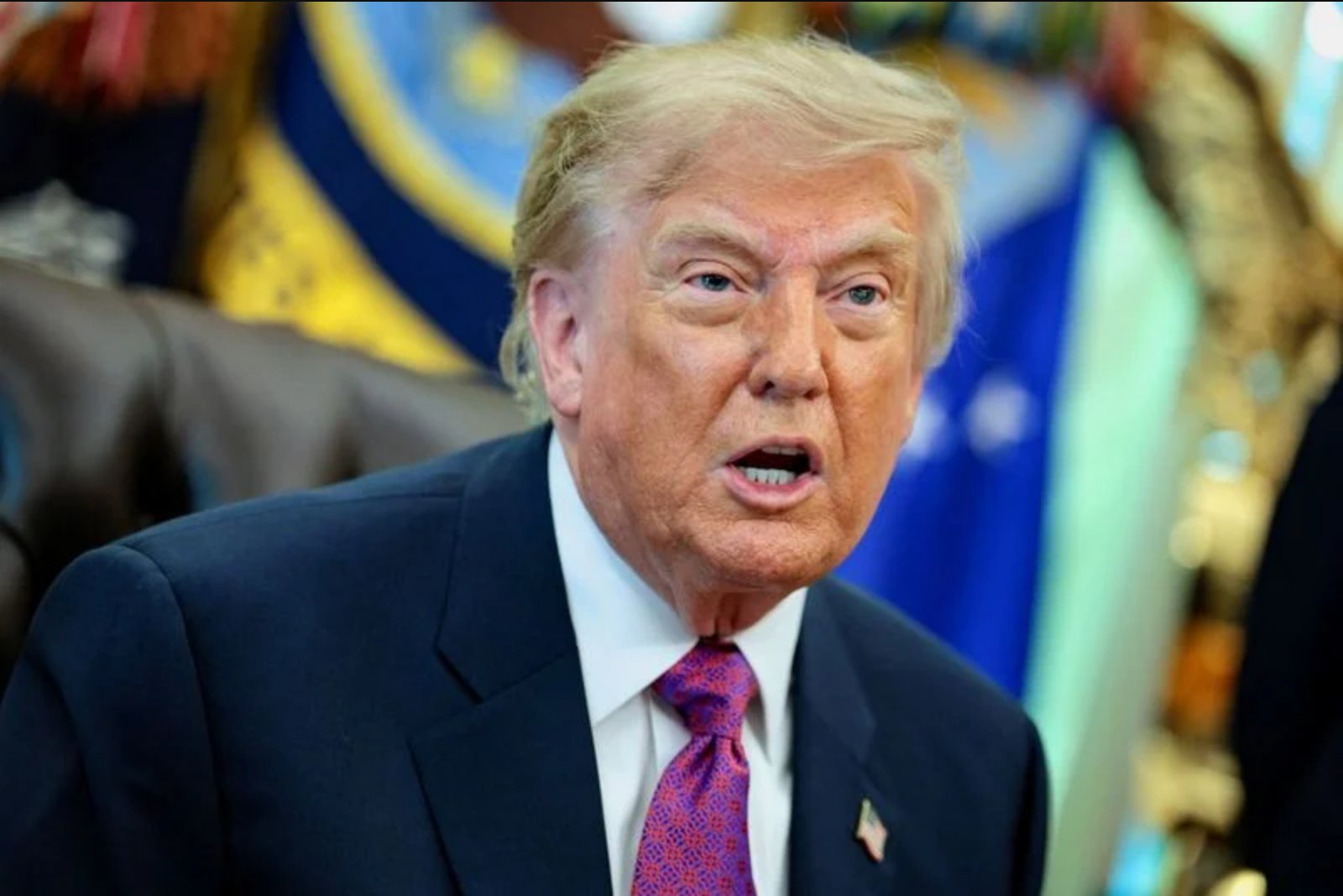
WASHINGTON, Aug 27 - President Donald Trump said on Thursday that the United States is not engaging in discussions with Iran as his administration concentrates on punitive economic measures. Speaking to reporters in the Oval Office, he was explicit about current U.S. intentions: "We don’t want to speak to them. We’re not looking to meet or anything," he said.

The administration's public messaging has framed its approach as a campaign of economic pressure designed to bring Tehran to the negotiating table. Earlier in the day, White House Press Secretary Karoline Leavitt told the "Fox & Friends" program that the United States would maintain that economic push until Iran showed a willingness to negotiate in a meaningful way.

Leavitt said: "Now we have Operation Economic Outcast to destroy their economy," and added, "No negotiations are happening right now, and this will continue until the president feels that maybe they come to the table in a meaningful way ... He of course continues to retain all options on the table."

On the enforcement front, U.S. Treasury Secretary Scott Bessent warned countries earlier in the week to sever financial ties with Iran or face potential secondary sanctions, describing the move as part of an initiative referred to as "Economic D-Day." Despite the strong language, the Treasury Department did not immediately impose penalties when that warning was issued.

When pressed about potential penalties for countries that continue business with Tehran, the president gave a measured response on Russia, saying, "It depends. So far, I think Russia’s behaved quite well, having to do with the Strait of Hormuz, and you have to understand: for everything they do, we do also. You know, somebody was saying about China. What about China? We hear they’re spying. We spy on them too."

Asked specifically whether he would sanction Chinese banks for dealings with Iran, Mr. Trump replied: "Who said I’m not? You don’t know if I’m doing it ... I don’t have to announce everything, do I?"

Diplomatic activity in the region continued in parallel. Qatar’s prime minister visited Tehran on Thursday in an effort to relaunch diplomacy after the United States and Iran exchanged recriminations over Washington’s stated intention to increase economic pressure. An Iranian official characterized the U.S. approach as "all-out economic war."


The administration's stance, as conveyed by senior officials and the president, signals a sustained preference for leveraging economic measures rather than reopening direct talks at this time. Several details about the implementation and scope of potential secondary sanctions remain formally unexecuted, leaving uncertainty about how and when penalties might be applied.

Risks

  • Uncertainty over the timing and application of secondary sanctions could affect international banks and financial markets that process Iran-related transactions - financial sector risk.
  • Escalation of economic pressure described as "all-out economic war" by an Iranian official increases geopolitical tension, with potential implications for regional energy markets and trade flows - energy and trade sector risk.
  • Differences in how the U.S. might treat various countries doing business with Iran (as signaled by the president's remarks on Russia and China) create uneven compliance expectations for multinational firms - operational and compliance risk for corporates.

More from Commodities

Northwest European gasoline refining margins reach highest level since mid-2022 Aug 27, 2026 Investors Should Look Beyond Oil for Commodity Exposure, UBS Says Aug 27, 2026 Nvidia’s surge underscores relentless AI demand as markets react to mixed macro data Aug 27, 2026 Iran War Weakens OPEC+ Grip on Oil Markets as China Emerges as the New Balancer Aug 27, 2026 Oil slides as diplomacy raises prospect of reopening Strait of Hormuz, easing Middle East supply strain Aug 26, 2026