
CARACAS, Aug 29 - Venezuelan interim President Delcy Rodriguez said on Saturday that an energy agreement with the United States will remain in effect for 25 years, set a production aim of more than 1.5 million barrels per day (bpd) and maintain Venezuelan sovereignty over its natural resources.
In a late-night address broadcast on state television, Rodriguez described the arrangement as a "historic" accord that could help restore economic activity and raise government revenue. She said the bilateral project envisions the development of 17 strategic oilfields and emphasized that the stated production figure applies specifically to the bilateral agreement between Venezuela and the United States.
Rodriguez clarified that the 1.5 million bpd target is an initial goal within a broader recovery plan that also foresees the development of eight greenfield oil blocks as part of an expanded energy program. She framed the arrangement as a mechanism to bring outside capital, technology and operational expertise to an industry that she said has been severely affected by sanctions.
Addressing anticipated revenue outcomes, Rodriguez presented a government estimate that the agreement could produce approximately $209 billion for the state, calculated on a benchmark oil price of $65 per barrel. She noted that oil prices can vary and specified that about $19 from each barrel produced and sold under the deal would flow directly to Venezuela, a figure she said would materially boost state revenue.
The interim president also reiterated that the country would retain ownership of and sovereignty over its natural resources while allowing foreign investment and know-how to support recovery efforts.
On Friday, President Donald Trump announced U.S. plans to take partial control of Venezuela's oil reserves, framing the move as an effort to use American industry to help revive Venezuela's energy sector and supply additional crude to U.S. markets. Trump provided limited detail on the agreement but said the United States had secured majority control of more than 65 billion barrels of Venezuela's proven oil reserves through partnerships with private firms.
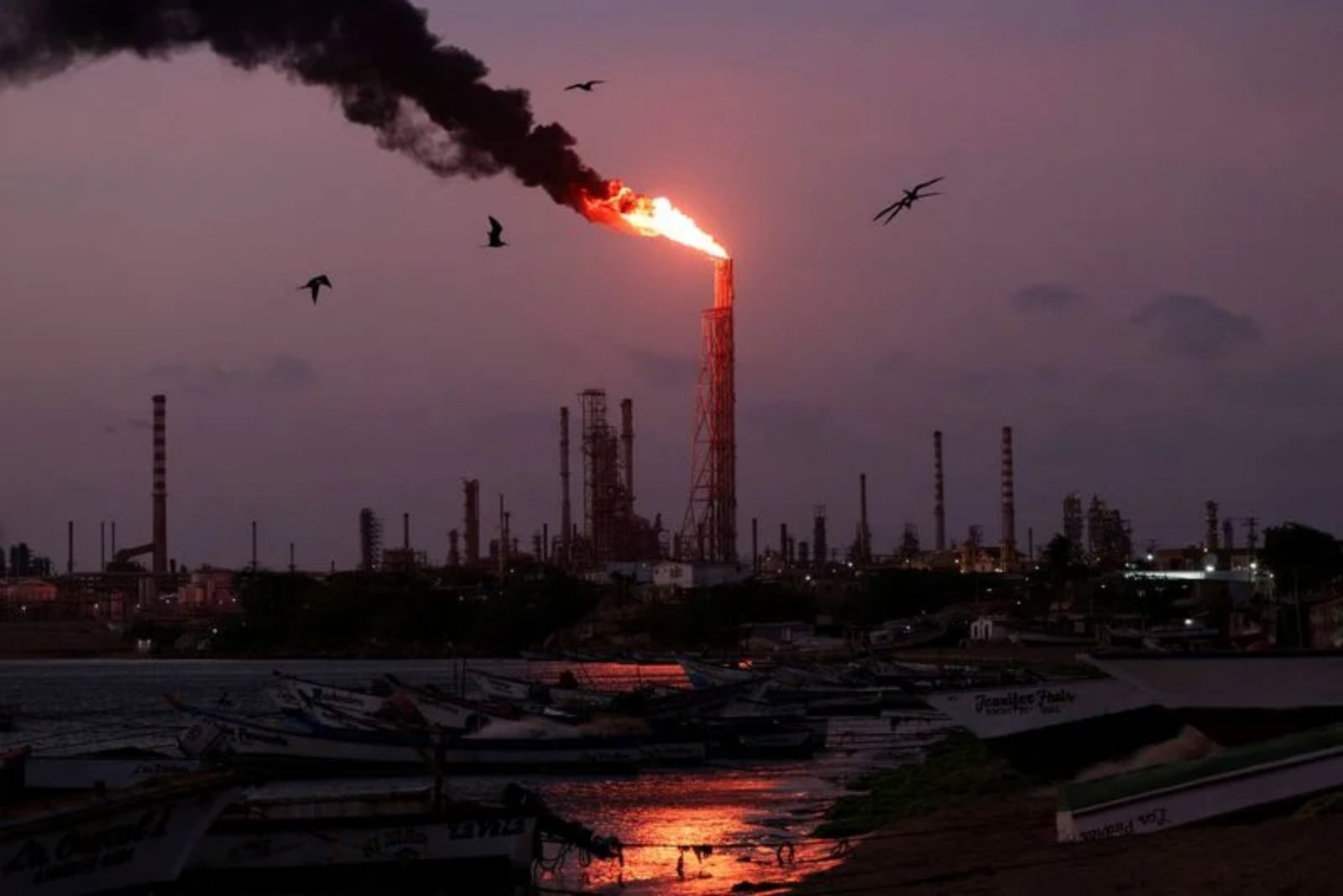
Venezuela sits atop the world's largest proven oil reserves but is producing roughly 1.25 million bpd, a level that Rodriguez and the statement attribute to years of underinvestment, mismanagement and sanctions. The interim government presents the bilateral agreement as a targeted intervention to raise production closer to the stated initial objective.
Political reaction on the streets was visible on Saturday when dozens of pro-government groups gathered in downtown Caracas to protest against the U.S. presence in the country. Rodriguez welcomed the agreement following the U.S. announcement, framing it as supportive of economic growth and higher government receipts.
Officials in Caracas are preparing to sign agreements the following week that would grant new oil exploration and production rights to several companies, including U.S. firms. Two sources close to the negotiations said on Friday that Chevron was among those expected to finalize talks to transition its Venezuelan joint ventures into the country's new energy framework.
Contextual note - The details disclosed by U.S. officials were described as limited, and several elements described by Venezuelan authorities reflect government projections and targets rather than independently verified outcomes.