
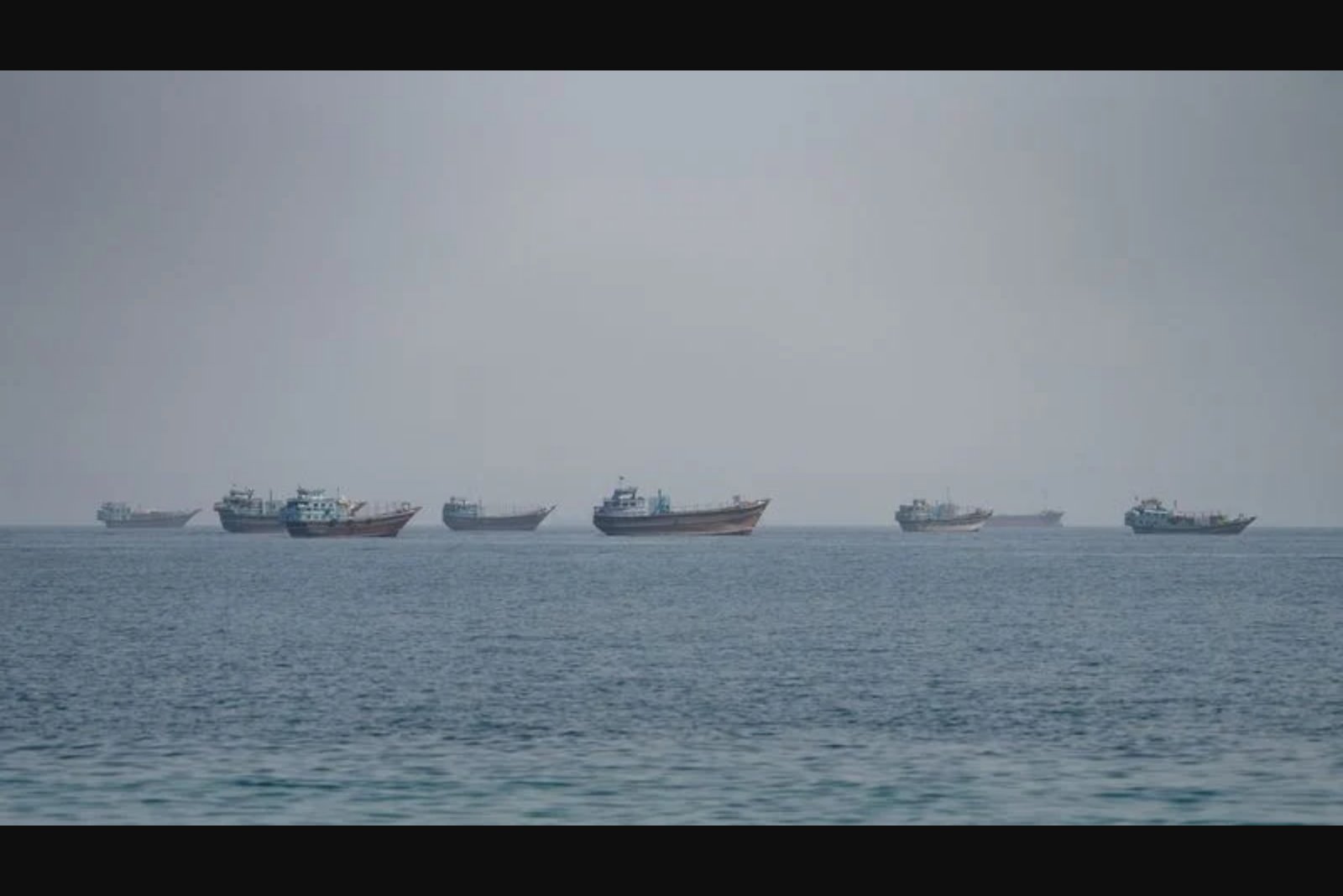
U.S. crude oil futures fell in early trading on Wednesday, stretching the previous session's decline as traders reacted to news that Iran has resumed discussions with Oman about managing the Strait of Hormuz.
West Texas Intermediate (WTI) crude dropped $1.37, or 1.7%, to $80.99 as of 2240 GMT. The contract had declined 3.1% on Tuesday, settling at its weakest level since August 13.
The price moves follow Iran's statement that it has restarted talks with neighbouring Oman on managing the strategic waterway. Market participants interpreted the news as raising the possibility that transit through the Strait could be restored, easing a key supply risk.
Iran and Oman have held intermittent discussions in recent weeks over how to control traffic through the Strait of Hormuz. The waterway is a critical chokepoint, having handled about one-fifth of global oil and liquefied natural gas shipments before the war began in February.
Separately, the United States on Monday announced an expansion of sanctions aimed at depriving Iran of economic lifelines. The U.S. said it would threaten penalties against countries that continue to do business with Iran, but clarified that it would not implement those penalties immediately.
The combination of diplomatic engagement between Iran and Oman and the U.S. moves on sanctions left markets balancing two opposing signals: the prospect of reduced shipping disruption via renewed talks on the Strait, and the prospect of tighter economic pressure on Iran from expanded sanctions. Traders appeared to favor the former signal in early trade, contributing to the decline in U.S. crude prices.
Prices and market sentiment remain sensitive to developments in both diplomacy and sanctions enforcement, given the Strait's outsized role in global energy flows prior to the February outbreak of war.
Market snapshot
- WTI change as of 2240 GMT: down $1.37, or 1.7%, at $80.99.
- Prior session move: down 3.1%, closing at the weakest level since August 13.
Context
Iran's resumption of talks with Oman addresses control of traffic through the Strait of Hormuz, a channel that previously carried roughly one-fifth of global oil and LNG shipments. At the same time, the U.S. announced sanctions expansion intended to increase pressure on Iran's economy, while delaying immediate penalties against other countries.