
Commodities July 7, 2026 10:43 PM

U.S. Central Command Says New Strikes Hit Over 80 Targets in Iran

Washington revokes oil sales license after projectiles struck three tankers in the Strait of Hormuz; Tehran warns of a "crushing response"

By Maya Rios
Share
Twitter Reddit Facebook LinkedIn

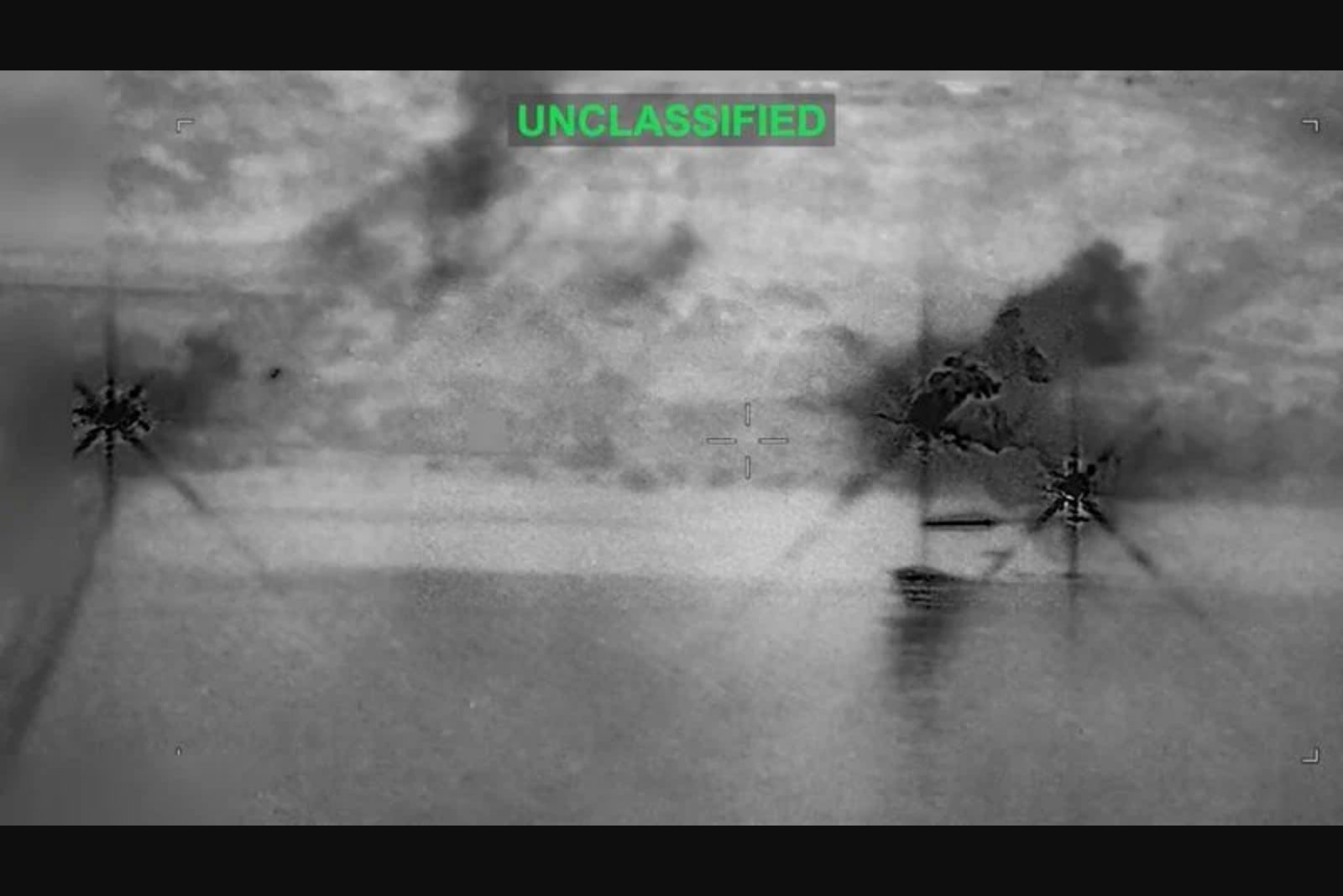
U.S. Central Command announced it completed a fresh set of strikes on Iran, targeting more than 80 sites and disabling a range of military systems and vessels. The move coincided with Washington revoking an oil sales license following attacks on three tankers in the Strait of Hormuz. Iran's military leadership has vowed a "crushing response," and officials warned the ceasefire in the ongoing Iran war remains fragile.

U.S. Central Command Says New Strikes Hit Over 80 Targets in Iran
Summarize with
ChatGPT Perplexity Claude Grok Gemini

Key Points

  • CENTCOM reported it struck over 80 targets in Iran during the latest operation, including air defenses, command and control nodes, coastal radar, anti-ship missile systems, and more than 60 IRGC small boats.
  • The U.S. revoked a license permitting Iran to sell oil after three tankers were hit by projectiles in the Strait of Hormuz, linking the move to protection of international shipping.
  • The fragile ceasefire continues amid the wider Iran war, which began on February 28, precipitating strikes and counterstrikes that have killed thousands, displaced millions, and driven up oil prices - impacting energy markets and broader financial markets.

The U.S. Central Command said on Tuesday it had carried out a new round of strikes on Iran, hitting in excess of 80 targets during the operation. The military statement detailed a broad array of Iranian capabilities that were struck and linked the action to efforts to protect international shipping in the Strait of Hormuz.

Alongside the strikes, U.S. authorities revoked a license that had permitted Iran to sell oil after three tankers were struck by projectiles in the Strait of Hormuz. The revocation and military action were presented as measures to reduce threats to international commerce transiting the waterway.

In its description of the operation, the U.S. military said: "U.S. forces struck Iranian air defense systems, command and control networks, coastal radar sites, anti-ship missile capabilities, and more than 60 Islamic Revolutionary Guard Corps small boats in and near the strait (of Hormuz) to degrade Iran’s ability to continue attacking international commerce flowing through the international trade corridor."

The statement added: "CENTCOM forces remain postured and prepared to hold Iran accountable when the agreement is not adhered to or obeyed."

Iran's top joint military command issued a stern response, describing the U.S. action as a "blatant act of aggression" and pledging that Iranian armed forces would deliver a "crushing response." The command also warned that Tehran would not permit U.S. interference in the management of the Strait of Hormuz.

Observers noted that the ceasefire in the Iran war remains fragile. The conflict began when the U.S. and Israel attacked Iran on February 28, according to available accounts, and was followed by Iranian strikes on Israel and Gulf states that host U.S. bases. The hostilities have involved U.S.-Israeli strikes on Iran and Israeli attacks on Lebanon during the war, actions that the reporting says have killed thousands and displaced millions.

The ongoing conflict has also affected commodity markets, with the war cited as a factor that has spiked oil prices and shaken markets worldwide.


Note: This report presents official statements and reactions as described by military and Iranian authorities. Where descriptions are limited in the available material, those limitations are reflected rather than expanded upon.

Risks

  • Escalation risk - Iran's top joint military command has vowed a "crushing response," indicating the potential for further military retaliation that could affect regional security and military-related supply chains.
  • Energy market volatility - the conflict has already spiked oil prices and shaken markets, posing continued risk to energy sector revenues, refining margins, and commodity-sensitive industries.
  • Maritime trade disruption - attacks on vessels in the Strait of Hormuz and strikes on Iranian coastal and naval capabilities create ongoing uncertainty for shipping routes and insurers operating in the region.

More from Commodities

Gold Holds Ground Amid U.S.-Iran Military Moves and Fed Minutes in Spotlight Jul 7, 2026 Oil jumps as U.S. strikes Iran and reimposes oil sanctions amid Hormuz attacks Jul 7, 2026 US crude rises after American strikes on Iran; tanker attacks revive Strait of Hormuz fears Jul 7, 2026 Proposed U.S. Tariffs on Brazilian Instant Coffee Could Raise Costs for American Buyers, Industry Says Jul 7, 2026 Oil Climbs After U.S. Revokes License for Iranian Crude as Vessel Attacks Raise Shipping Concerns Jul 7, 2026