
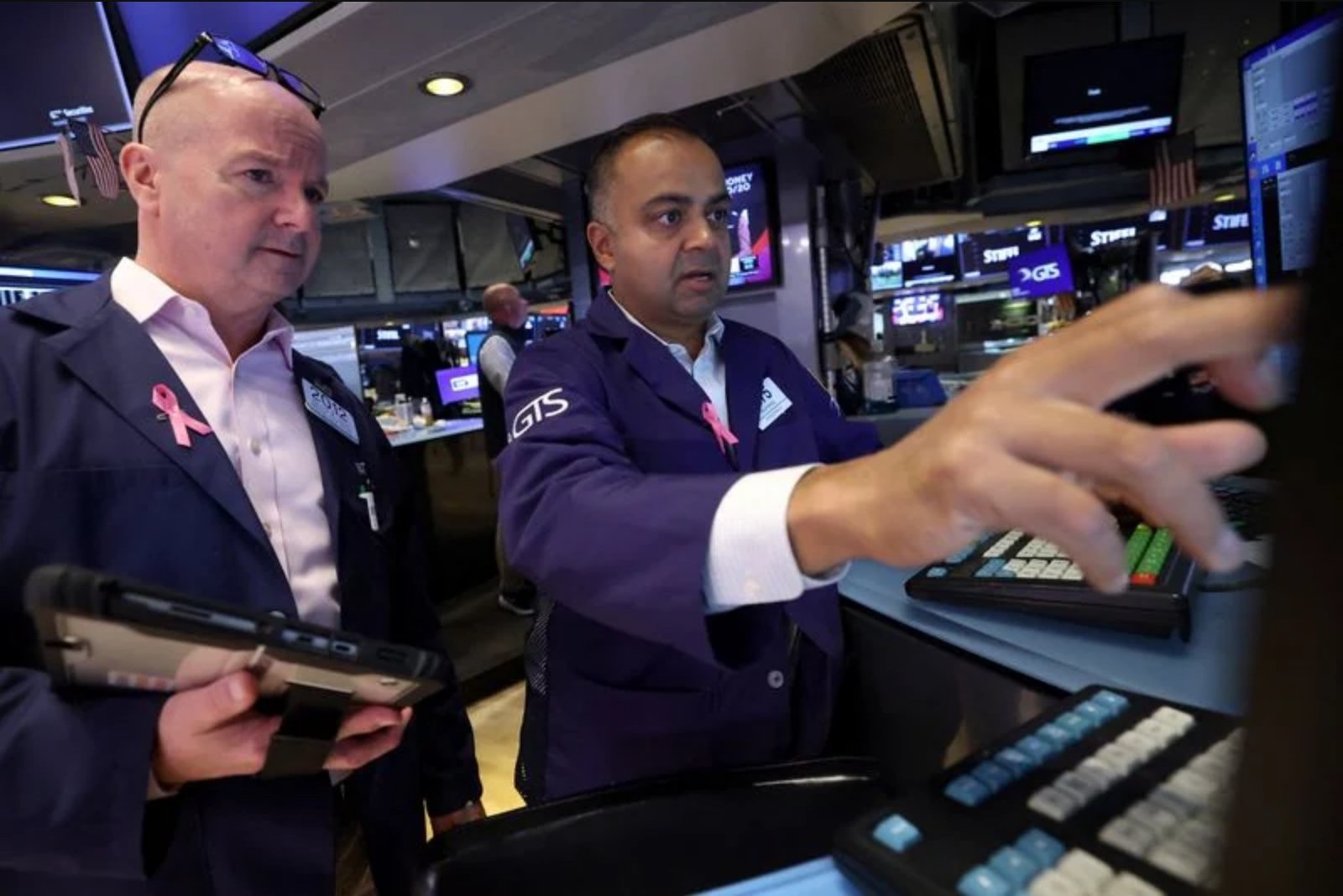
Global equity momentum stalled on Tuesday as investors contended with a confluence of trade-policy risk and a further cooling in AI-related names. A jump in equities earlier in the week failed to hold, with key technology and regional markets reversing course as attention shifted back to a possible US tariff escalation.
Shares of Nvidia relapsed, falling about 6% after an initial surge tied to the return of its chief executive, leaving the stock still roughly 35% below its October high. The broader Nasdaq finished the day down 1.5%. At the same time, Anthropic declined to a price below its IPO listing just four trading days after debuting, a move compounded by concerns about post-IPO insider lockups and the competitive implications of Nvidia's chief executive favoring open-weight AI models.
Market focus has also returned to US trade policy. The administration is preparing to reveal findings from a Section 301 investigation into so-called "excess industrial capacity" in a group of Asian and European trading partners. Intended in part to replace emergency tariffs that the Supreme Court struck down in February, the probe could pave the way for another round of higher import levies. Such a prospect is politically sensitive, having been unpopular in opinion polls and in the midterm elections held earlier this month.
Investors view prospective tariff increases as a double challenge: they threaten to disrupt markets in affected countries and add to already elevated inflationary pressures in the United States. Policymakers and traders are watching data that could reinforce those pressures. On Wednesday, the personal consumption expenditures (PCE) inflation report for October is scheduled to be released and is expected to show annual headline and core inflation rates running well over a percentage point above the Federal Reserve's 2% target - and rising. That data is widely seen as likely to solidify expectations for another quarter-point Fed rate hike early next month.
Sentiment among households presents a mixed picture. November readings on consumer confidence unexpectedly rose on Tuesday to their highest level in almost two years, though the persistence and drivers of that improvement remain unclear and may be influenced by recent political developments.
Markets opened lower on Wednesday following the prior day's losses. Nasdaq futures moved down roughly 2% and S&P 500 futures were off by more than 1%. Asian exchanges led the slide earlier, with South Korea's KOSPI plunging about 6% and Tokyo's Nikkei falling almost 3%. European markets briefly steadied at the open but then turned negative.
In fixed income, US Treasury yields fell despite the approach of inflation data and the implications of potential tariff moves, while the dollar strengthened.
Chart of the day
The Section 301 probe into excess industrial capacity affecting 16 of the United States' major trading partners could allow new duties to partially replace the emergency tariffs invalidated by the Supreme Court earlier this year. Tariffs have generally been unpopular with the public, have contributed to higher inflation, and have so far generated less revenue than initially forecast - developments that have unsettled markets already sensitive to a correction in AI-driven stocks. Rebate claims on the emergency tariffs that were struck down offer insight into the sectors and products that may be at risk under any new measures.
Events to watch
- US October PCE inflation data (8:30 a.m. EST)
- Weekly jobless claims (8:30 a.m. EST)
- October durable goods (8:30 a.m. EST)
- Q3 GDP second estimate (8:30 a.m. EST)
- US 7-year note auction (11:30 a.m. EST)
- Federal Reserve Beige Book (2 p.m. EST)
Traders and policymakers will parse these releases for confirmation of inflationary trends and economic momentum, both of which bear directly on interest rate expectations and the outlook for markets exposed to trade and technology shocks.