
Incident and immediate reports
Maritime security authorities reported that a tanker was struck by a projectile in the Strait of Hormuz overnight, causing a fire about 8 nautical miles (14 km) off the coast of Oman. The UKMTO maritime security agency logged the attack, marking the first such reported strike in the strait since the start of public mourning for Supreme Leader Ayatollah Ali Khamenei last week.
Three sources said the vessel hit was a Qatari tanker loaded with liquefied natural gas. According to those sources, the crew were reported to be safe, though the ship's engine room was burning and filled with smoke.
A news website reported that Iran had fired on two ships, but neither Washington nor Tehran issued an immediate, direct comment addressing the various accounts of the incident in the waterway.
Context: mourning, mobilization and leadership
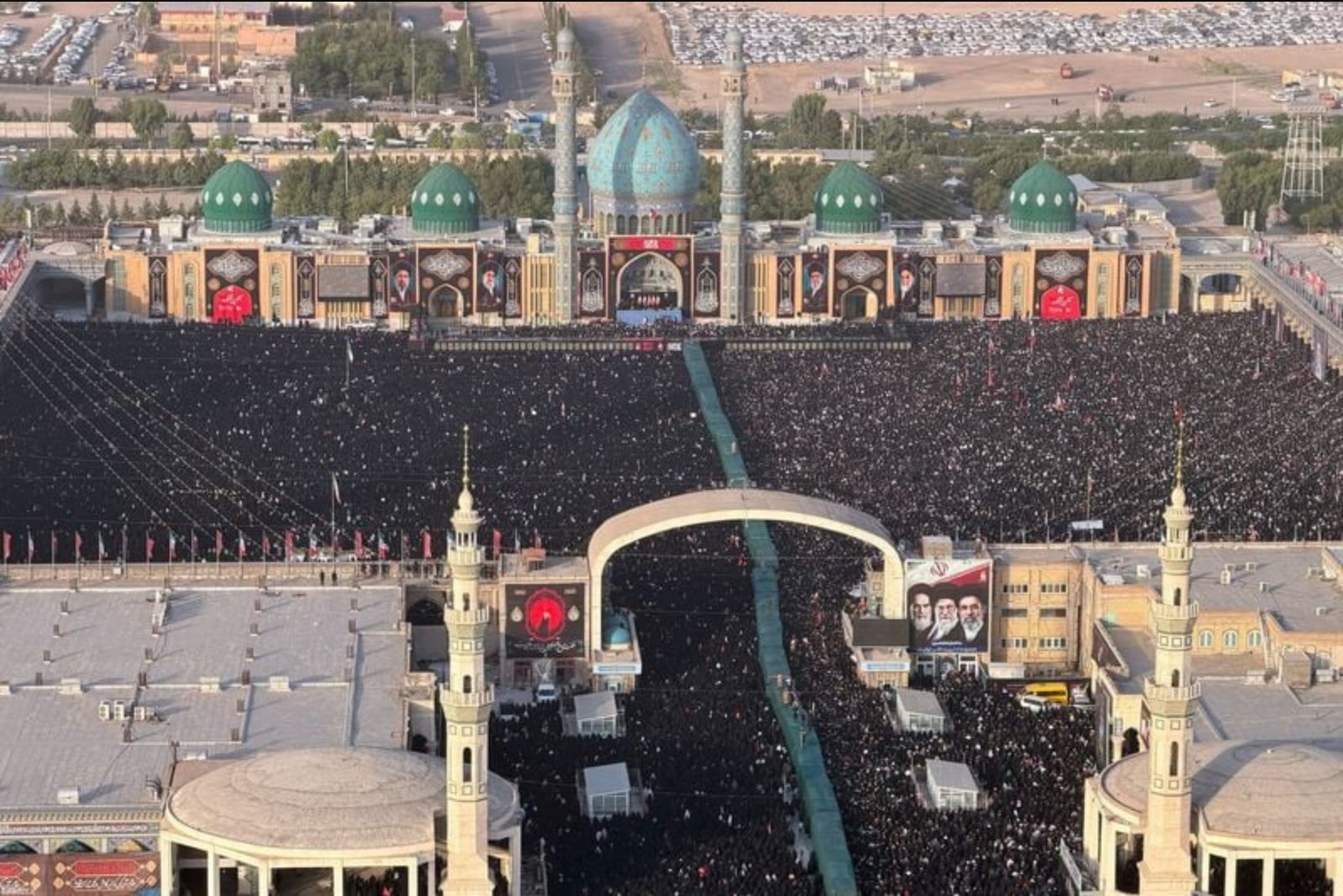
The attack unfolded against the backdrop of a week of large-scale mourning inside Iran. Millions of people attended funeral processions for Ayatollah Ali Khamenei, who was killed along with four members of his family in the initial strikes that launched the conflict months ago. In the seminary city of Qom, the caskets of the supreme leader and the four family members were paraded through streets thronged with mourners carrying flags and banners that likened Khamenei to foundational martyrs of the Shi'ite faith.
In those rallies, attendees chanted vows of revenge and some carried signs with anti-U.S. slogans, including messages calling for retribution against former U.S. President Donald Trump. A major procession was also held in Tehran earlier in the week, following solemn prayer ceremonies that began the previous Friday and drew senior figures from Iran's leadership along with foreign dignitaries.
Officials said the leader's remains will be transported to Shi'ite holy cities in neighbouring Iraq before being returned to Iran for interment in a medieval shrine.
Diplomatic posture and messaging
The strike came while an interim peace arrangement remains in place. That memorandum of understanding, agreed last month, paused hostilities under a 60-day window meant to allow negotiations toward a permanent deal. Indirect talks held in Qatar recently concluded without any breakthrough toward a lasting agreement.
Former U.S. President Trump has repeatedly warned of renewed military strikes if a deal is not reached, and he reiterated that posture in public remarks made in the Oval Office. In those remarks, he said: "We're either going to make a deal or we're going to finish the job. OK. And it won't be tough to finish the job. I'd rather make a deal, because I don't want to affect 91 million people." He added: "We can knock down their bridges in one hour, we can knock out their energy supply."
In response to such threats, Iran's Foreign Minister Abbas Araqchi criticized the comments as violations of the interim memorandum. Posting beneath an image of a vast crowd of mourners, he wrote: "Millions of proud Iranians rallied in unity to honour Grand Ayatollah Khamenei and his legacy. Neither them nor our Brave Armed Forces are moved by any threats." He further declared: "Negotiations on final Deal will not commence if threats continue," and urged the other side to "Honor your signature."
Strategic implications for shipping and oil markets
The episode highlighted continuing uncertainty over the security of a vital maritime artery. The Strait of Hormuz remains a focal point for control by Tehran's clerical leadership, which has asserted a growing operational presence in the waterway. The authorities in Tehran have signalled an intent to establish a permanent system to collect fees from ships using the route, a shift that would alter long-standing regional security and commercial dynamics where the United States has historically acted as guarantor.
Oil markets reacted to the incident, with prices moving up roughly 1.5% on the day following the reported attack. This uptick came after oil had broadly returned toward pre-war levels once the interim deal allowed shipping to resume through the strait.
Unresolved objectives and domestic politics
The initial military campaign, announced four months earlier by the United States and its ally, had stated aims including the destruction of Iran's nuclear and missile programmes, the end of Iran's capacity to threaten neighbours, and creating conditions that would enable domestic political change inside Iran. Those objectives have not been met, according to official statements, while Washington has maintained that a permanent agreement would end what it describes as an Iranian programme capable of producing a nuclear weapon, a programme Iran denies it has sought.
After five days of national mourning, there has been no public photographic appearance of Ayatollah Mojtaba Khamenei, the son and successor of the slain leader, who is believed to have been injured and disfigured in the same attack that killed his father. Three other sons of the deceased leader were reported to have prayed at the casket during the ceremonies.
Internal stability, public displays and information controls
Iranian authorities have presented the mass funerals as evidence of national cohesion in the face of the U.S.-Israeli military actions. However, assessing the depth of that public support remains challenging in a country where media and communications are tightly controlled. In the period shortly before the war began, the government suppressed widespread domestic protests with significant force. Since hostilities started, there have been no visible signs of organised internal opposition in the public domain.
What happened at sea: known facts and gaps
To summarize the maritime incident: UKMTO recorded a projectile strike on a tanker 8 nautical miles off Oman, with witnesses and three sources identifying the vessel as a Qatari liquefied natural gas tanker. The crew were reported safe while smoke and fire affected the engine room. A separate report indicated Iran may have fired on two vessels, but neither Washington nor Tehran provided an immediate direct statement to clarify those specific assertions. The broader implications for Gulf shipping and the interim peace process remain unresolved.
Reporting on this event is based on official maritime notices, on-the-record statements by named officials included above, and accounts from multiple sources close to the incident. Some details remain limited and have not been independently verified by all parties.