
Chicago Board of Trade soybean futures moved lower on Monday as a fall in crude oil pressured soyoil and the broader soybean complex. Market participants said firm export demand for U.S. soybeans prevented a more pronounced retreat.
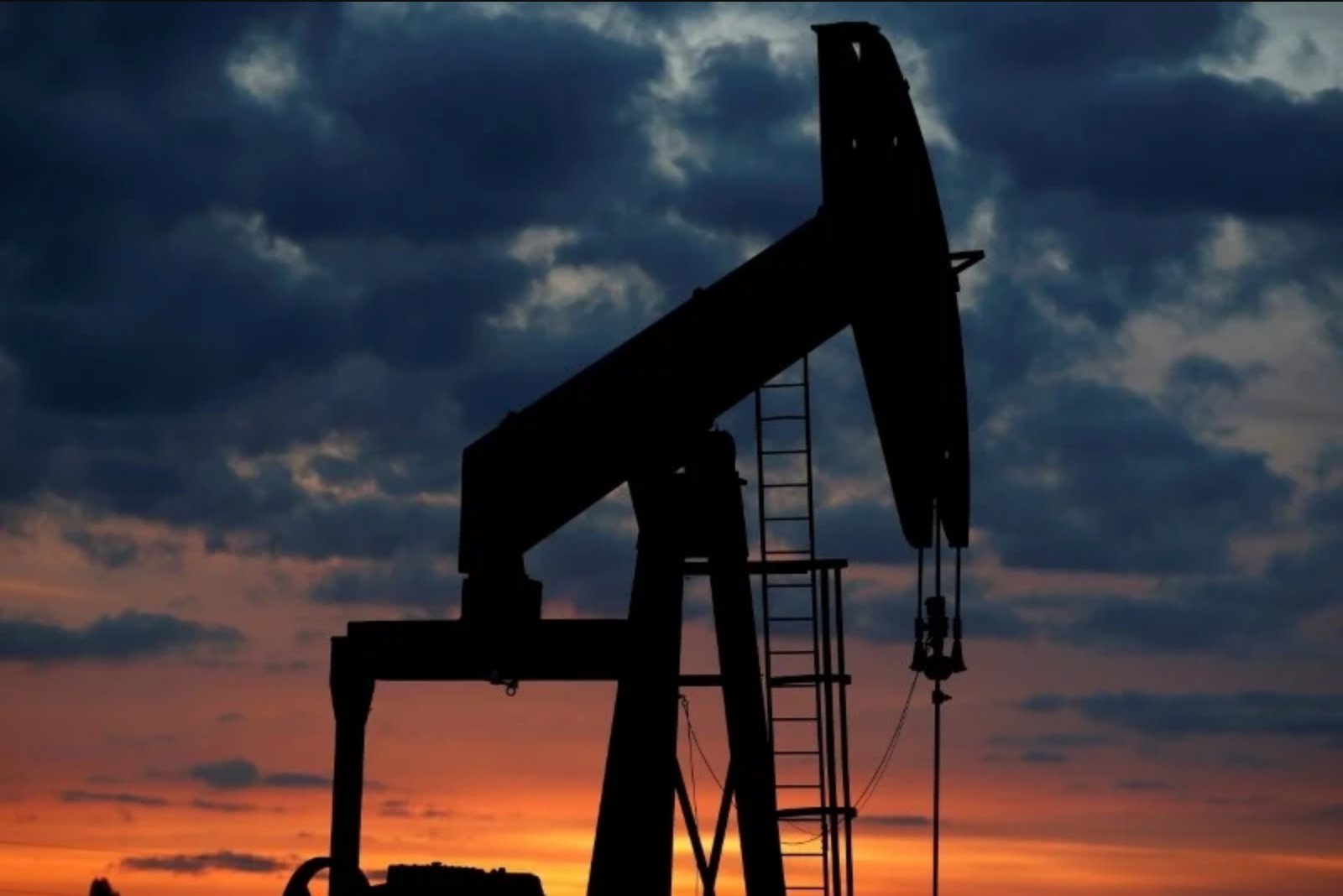
Early trading saw CBOT soyoil futures drop by more than 3% as investors reacted to crude oil slipping by over $1 per barrel, a pullback attributed to profit-taking after recent gains. That weakness in the soyoil contract transmitted through the soy complex and contributed to the downward pressure on soybean futures.
Market attention also centered on regulatory news: the U.S. Environmental Protection Agency is reported to plan an extension of a September 1 deadline that requires oil refiners to demonstrate compliance with the nation’s biofuel blending laws. That development added to the headwinds facing soyoil.
On the fundamental crop side, last week’s Pro Farmer crop tour delivered estimates that were larger than the U.S. Department of Agriculture’s August forecast for record production. The tour highlighted "pockets of strong potential" across the crop, while emphasizing that outcomes depend heavily on late-season precipitation.
Pro Farmer’s projection put the soybean crop at 4.572 billion bushels, with an average yield of 53.3 bushels per acre. Those figures exceed the USDA’s August 12 forecast, which called for a record-large harvest of 4.519 billion bushels and an average yield of 52.7 bushels per acre.
Analysts polled ahead of the USDA’s crop progress report expect the agency to keep soybean condition ratings at 61% good-to-excellent. That report is scheduled for release after the close of trade on Monday.
While crude oil’s decline and soyoil’s early session losses weighed on prices, export demand for U.S. soybeans acted as a countervailing force, limiting the scale of the market’s retreat. Crop tour estimates showing slightly larger production added another layer of influence for traders balancing supply projections and demand signals.