
Chicago Board of Trade soybean contracts ticked higher on Friday as market participants positioned themselves for official announcements on trade discussions following a three-day summit between United States and Chinese leaders.
President Donald Trump and Chinese President Xi Jinping concluded the summit, which highlighted personal diplomacy but produced no sweeping economic breakthroughs. After the talks, Trump said: "I think our farmers are going to be happy" but did not supply additional details on any specific trade commitments.
The formal release of negotiation outcomes is expected on Monday, according to US Trade Representative Jamieson Greer, leaving traders to weigh how potential commitments might alter demand for US oilseeds.
Grain market participants are closely monitoring two linked possibilities: whether China will commit to buying more US soybeans and whether it will lift a 10% tariff on soybean imports from the United States. Any movement on these fronts could influence export volumes and price dynamics, though definitive information was not yet available.
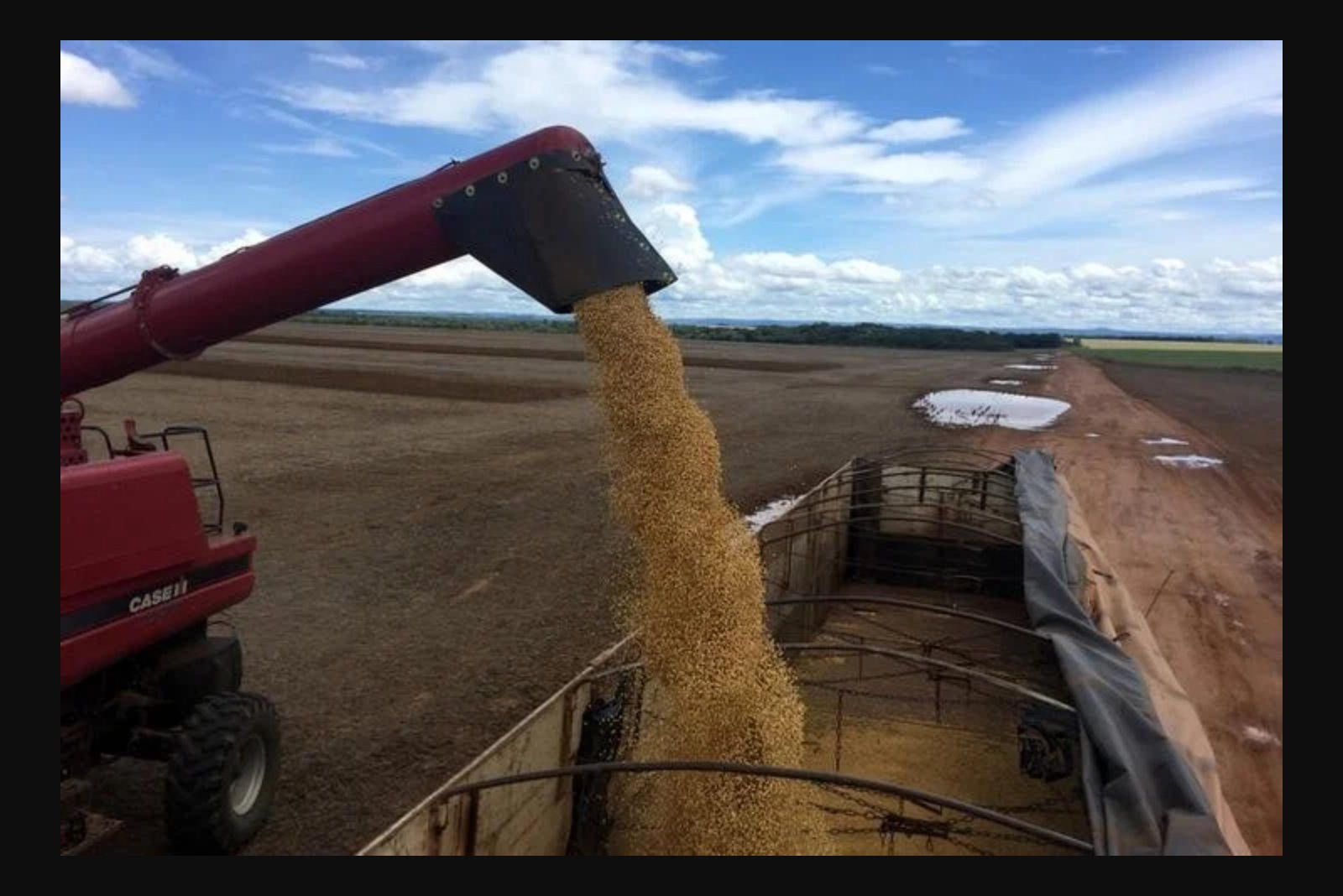
On the supply side, soybean processors in the western US Midwest have been offering substantial premiums for prompt deliveries of the oilseed. Ongoing rains have slowed early harvest operations, which market sources say has tightened local supplies and led some processing plants to reduce production levels, according to grain merchandisers.
Market pricing reflected a modest uptick: CBOT November soybeans closed up 1-1/2 cents at $13.19 per bushel.
Market context and implications
The combination of unresolved trade details and weather-related harvesting delays has created a near-term environment of price sensitivity for soybeans. Traders are awaiting the Monday disclosure to reassess export demand assumptions, while processors and logistics operators are reacting to immediate supply constraints in parts of the Midwest.
Until the US provides its summary of the summit outcomes, both supply-side disruptions and the potential for altered Chinese import behavior remain the primary drivers for short-term soybean market movement.