
Overview
Radiant World, a commodity trading house that grew to handle large volumes of iron ore and other metals, has come under intense scrutiny following reports that it supplied invalid paperwork to banks. The company has rejected those claims as inaccurate and unsubstantiated and says it operates to the highest commercial and legal standards. Since the allegations surfaced, a number of trading partners and financial institutions have curtailed or suspended business with Radiant.
What is Radiant World?
Founded in the early 2000s by Indian national Pinkesh Nahar, who is 45, Radiant World expanded into a global commodity merchant with offices in Britain, China, India, Singapore, Switzerland, the United States and the United Arab Emirates. According to the company website, it became one of the largest iron ore traders, moving more than 80 million metric tons of that steelmaking raw material each year. The firm also developed activities across base metals, including copper and aluminium.
Corporate filings in Singapore show the group operating entity based there recorded revenue of $9.6 billion in the year through September 2025, reflecting the scale of its trading flows and the financing relationships such activity typically requires.
Why has Radiant attracted headlines?
The situation escalated in late July when reports circulated that global trading houses Vitol Group and Cargill had ceased trading with Radiant World after invoices or other documents the trader provided to banks were found to be invalid. Other lenders subsequently took precautionary actions: Deutsche Bank and KBC Group NV froze some of Radiant World's Singapore bank accounts, and some credit lines were suspended, according to reporting.
Glencore, another major merchant, stopped doing new business with Radiant and said it had taken a provision related to the company. Steelmakers in China, the world's largest metals consumer, were also reported to have stopped dealing with Radiant in the wake of the allegations.
Additional financial services actions were reported in August. Reuters reported on August 19 that U.S.-listed broker Marex froze Radiant World's derivatives trading accounts. The Singapore Police Force confirmed on August 20 that it was looking into Radiant, and Bloomberg reported that the U.S. Department of Justice and the Commodity Futures Trading Commission are investigating the firm's trades.
How Radiant World operates within commodity markets
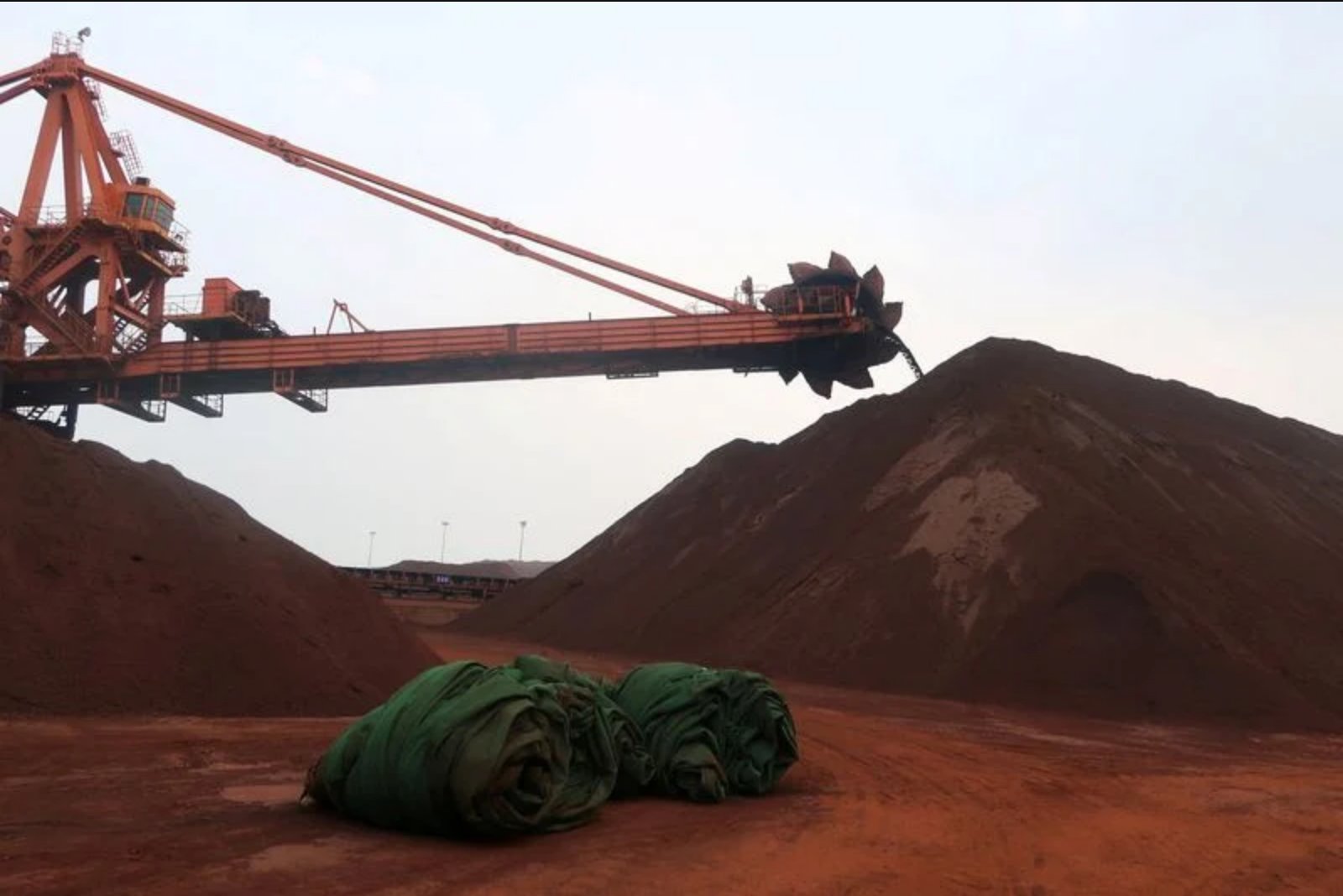
Radiant purchases minerals such as iron ore from mining companies and then sells those cargoes to downstream customers, including steel plants. Commodity trading is highly competitive but also interdependent: trading houses often deal with one another when timing or location make a rival's cargo the most practical match for a buyer. Banks play a central role by providing letters of credit and loans that let traders acquire cargoes before resale.
Company filings show Radiant has a list of creditors with registered claims over its assets. Those creditors include large banks such as Socie9te9 Ge9ne9rale, Macquarie, Raiffeisen, Barclays and Deutsche Bank. Japan's Mizuho is also among the creditors and, according to Singapore's court records, petitioned the Singapore Supreme Court to obtain an injunction against Radiant's operating entity in the city-state.
Past examples of problematic trade documents
The concern about invalid or duplicated paperwork is not without precedent. In 2014 in Qingdao, China, trader Dezheng Resources was found to have duplicated warehouse receipts and forged documents, a practice that enabled the company to pledge single metal cargoes multiple times as collateral and secure billions in loans from domestic and international banks. Dezheng's founder, Chen Jihong, received a 23-year prison sentence in 2018.
More recently, in early 2023, Indian businessman Prateek Gupta was accused of delivering low-value or worthless cargoes instead of the high-grade nickel promised to trading house Trafigura. Trafigura recorded a $590 million charge linked to what it described as a "systematic fraud" and pursued legal action in London's High Court. A court refused Gupta permission to appeal in February.
Where things stand and why it matters
The combination of counterparties stopping trading, banks freezing accounts and regulators looking into the firm's activities has created material operational uncertainty for Radiant. For a commodity trader that relies on short-term financing, letters of credit and counterparties to move cargoes, such disruptions can affect its ability to source, fund and deliver shipments.
At the same time, the formal investigations by Singapore Police and reported inquiries by U.S. authorities mean that the facts underpinning the allegations are now subject to official scrutiny. Radiant's public rebuttal frames the available claims as inaccurate and unsubstantiated, but the practical step-up in counterparty and lender caution illustrates how sensitive supply chains and trading relationships are to concerns about documentation and financing integrity.
Key points
- Radiant World, founded by Pinkesh Nahar, is a significant global iron ore and base metals trader with reported annual volumes exceeding 80 million metric tons and Singapore operating revenue of $9.6 billion in the year through September 2025.
- Major trading houses and banks have stopped or limited business with Radiant after reports it provided invalid documents to banks, while the firm denies the allegations.
- Investigations and account freezes - including actions reported by the Singapore Police Force, U.S. Department of Justice and Commodity Futures Trading Commission, and frozen accounts at some banks and brokers - have intensified uncertainty in Radiant's trading relationships and financing arrangements.
Risks and uncertainties
- Counterparty and lender withdrawal risks - Continued suspension of trading by merchants and reductions in bank credit could constrain Radiant's ability to source and move cargoes, affecting commodity supply chains and steelmakers reliant on those shipments.
- Regulatory and legal uncertainty - Ongoing investigations by Singapore authorities and reported U.S. inquiries introduce potential legal and enforcement outcomes that remain unresolved and could influence creditor claims and market confidence.
- Credit and asset claims - Radiant has multiple registered creditors, and actions such as injunctions or court petitions by creditors like Mizuho could affect asset access and operational liquidity.