
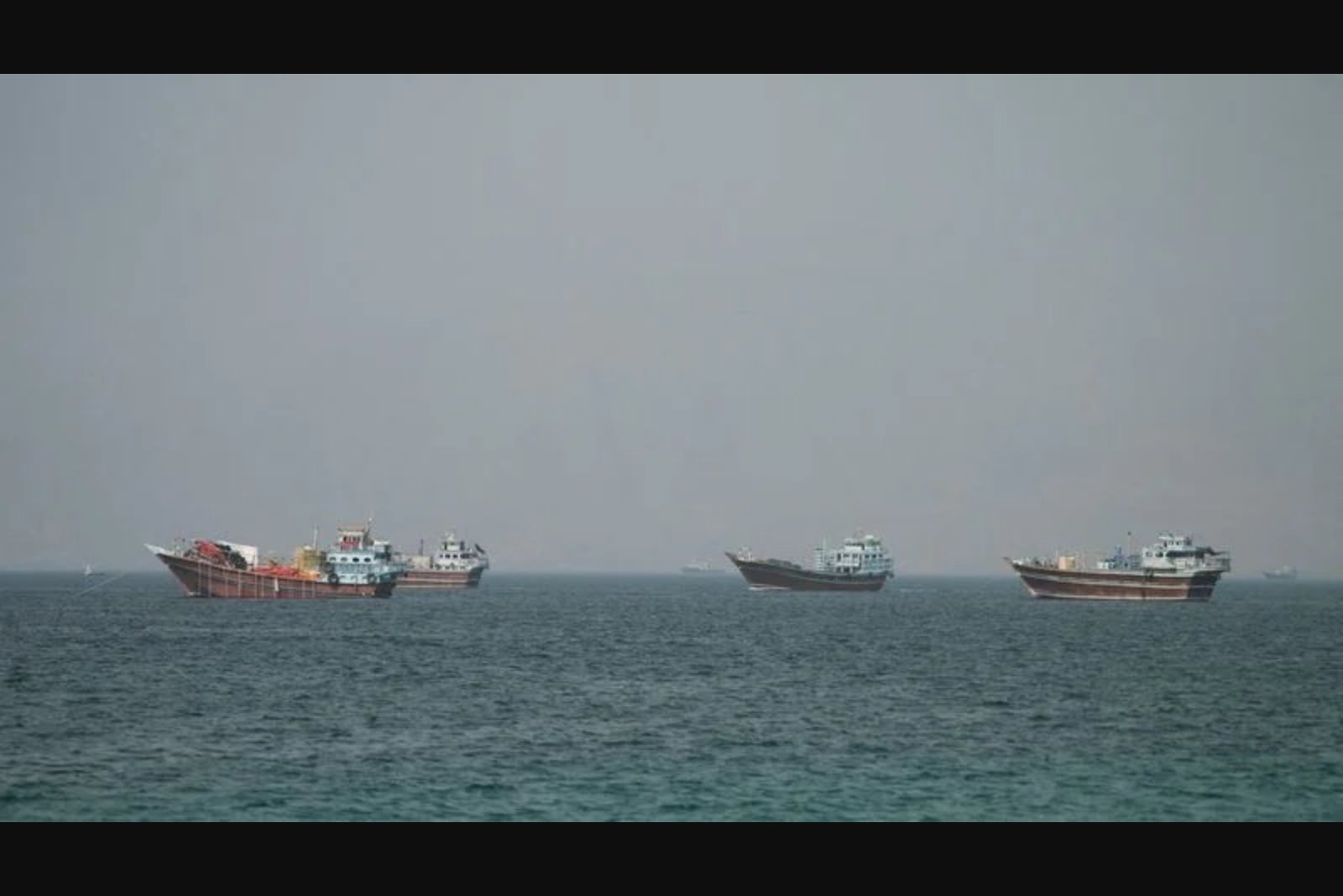
Oil benchmarks opened lower on Friday morning as easing supply concerns driven by a resumption of tanker movements through the Strait of Hormuz weighed on prices, even after a cargo vessel was struck near Oman on Thursday.
Brent crude futures were down 19 cents, or 0.25%, at $75.07 a barrel as of 0055 GMT. U.S. West Texas Intermediate slipped 13 cents, or 0.18%, to $71.79 a barrel over the same time frame.
Both contracts had rallied by more than 2% on Thursday following the incident in which a cargo ship was hit by an unknown projectile near Oman. The attack prompted the U.N.'s shipping agency to suspend its voluntary evacuation scheme for the area.
Two U.S. officials told Reuters that Iran fired on the cargo ship as it attempted to pass through the strait. Iranian authorities, in turn, cautioned that the security of vessels traveling outside designated Hormuz routes is not guaranteed.
Market participants are watching tanker movements closely. "With the geopolitical risk premium once again creeping back into prices, markets will be watching intently to see if tanker traffic resumes or if these latest hurdles force producers to tap the brakes on planned production increases," said IG analyst Tony Sycamore.
Despite the Thursday spike, Brent and WTI are both on track for weekly losses of close to 7%.
Data released on Thursday showed crude shipments through the Strait of Hormuz increased this week to their highest level since the U.S.-Israeli conflict with Iran began in February, after a ceasefire deal reopened the waterway. That reopening and the prospect of continued passage helped reduce some earlier supply concerns and supported increased trade activity.
However, the data also underscored that overall traffic through the strait remains a fraction of the roughly 125 ships that used the corridor on an average day before the conflict that began on February 28. The disparity between the current flow of vessels and the pre-conflict daily average highlights how much shipping patterns have yet to recover.
Adding to the supply-side uncertainties, earthquakes that struck Venezuela on Thursday prompted preliminary on-site assessments of the country's oil, gas and refining infrastructure. Workers conducting early checks reported limited damage to major facilities, as most of the nation's largest output regions, refineries, pipelines and terminals are located away from the hardest-hit zones.
Nevertheless, sources said a lack of power following the seismic events has called into question whether Venezuela can sustain output at its pre-earthquake level of close to 1.2 million barrels per day.
Market context
Price moves this week have been driven by a mix of geopolitical developments affecting shipping lanes in the Middle East and natural hazard risks in a major producing country. The combination has produced a volatile backdrop in which even temporary disruptions or reassurances can push futures higher or lower by a few percentage points.
Traders and oil market watchers will remain attentive to any further reports about vessel security in the Strait of Hormuz, follow-up assessments from Venezuelan infrastructure teams, and any producer decisions related to planned production changes.