
Market moves and price action
Brent crude settled at $106.60 a barrel, up $3.52 or 3.4%, while US West Texas Intermediate (WTI) closed at $94.61, a gain of $2.45 or 2.7%. Both contracts traded as much as about 5% higher during the session before easing back from their intraday peaks. Brent's closing level marked its strongest finish since September 15, and WTI recorded its first rise after six consecutive sessions of losses that had seen the contract fall about 13%.
Security developments in the Red Sea region
Market participants reacted to reports that Saudi air defenses intercepted six ballistic missiles fired by the Iran-backed Houthi movement in Yemen. The Saudi-led coalition said the missiles were aimed at the southern Taif province and at the Yanbu area on the Red Sea coast. The incident revived concerns about the vulnerability of export routes and facilities tied to Saudi crude flows to the Red Sea, where some of the kingdom's export infrastructure connects to global tanker routes.
Logistics and crude handling
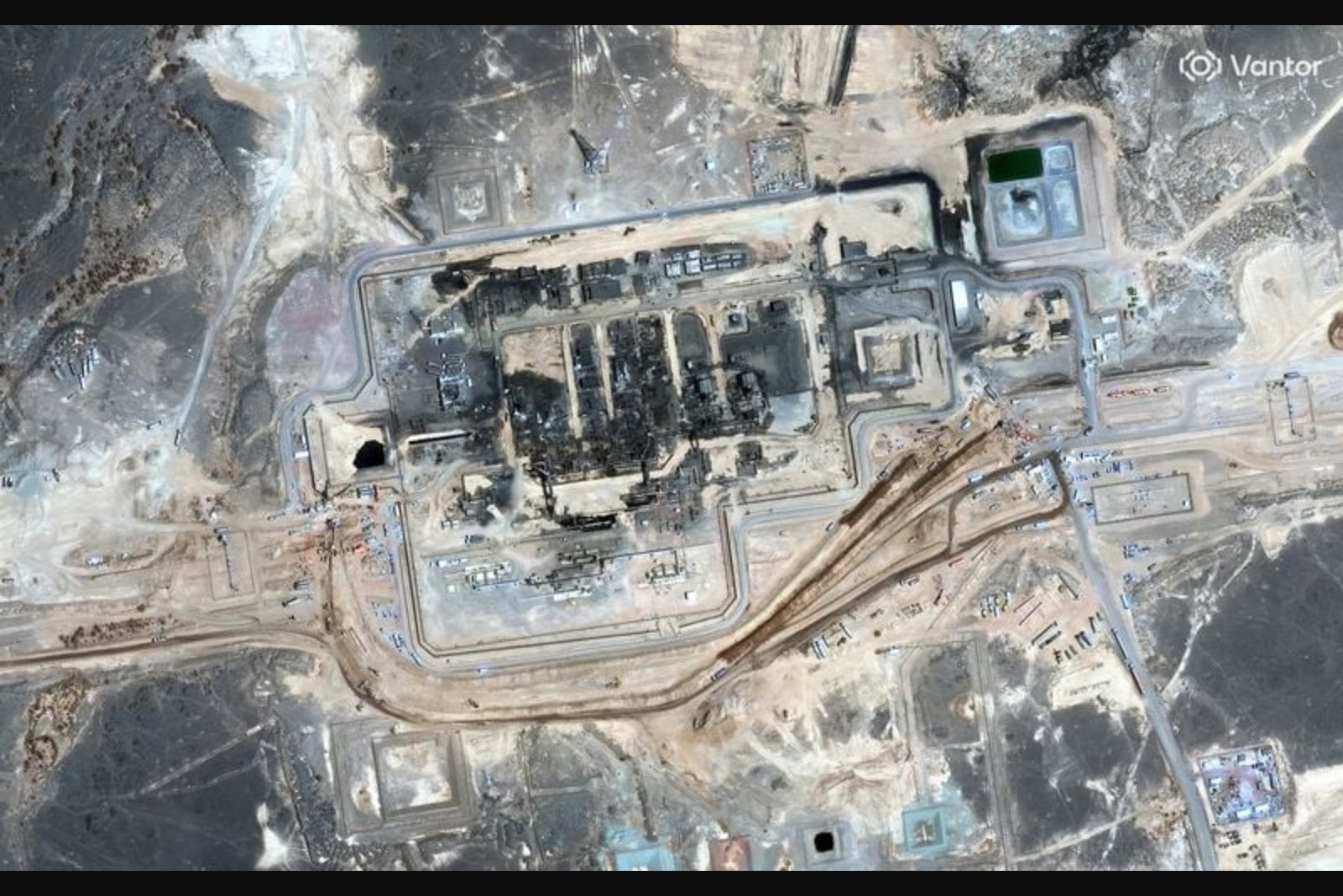
Industry sources, along with satellite imagery and shipping data, indicate Saudi Arabia has been increasing crude pumping volumes through its East-West Pipeline that carries oil to the Red Sea export hub of Yanbu. However, those same sources show that crude tanker loadings from Yanbu had not yet resumed at the time of the reports, leaving a gap between pipeline throughput and actual ship departures.
Sanctions, airline bans and secondary measures
In parallel with the security incidents, Iranian airlines were barred from several neighboring states, including the United Arab Emirates and Oman, as a direct response to new US sanctions. Those measures mark the initial effects of a policy shift that extends US sanctions to target companies in third countries that do business with Iranian entities - a practice frequently described as secondary sanctions. Washington has also announced an extension of its financial sanctions aimed at third-country companies engaged with Iranian firms.
Diplomatic contacts and the Strait of Hormuz
Separately, negotiators for the United States and Iran were reported to be exploring a phased winding-down of hostilities, with a central element of the talks focused on the Strait of Hormuz. Under the reported framework, Tehran would reopen the strait - a critical conduit for global oil shipments - in exchange for the United States lifting its economic blockade of Iran. Sources familiar with the discussions indicated neither side is willing to forfeit the strategic leverage represented by the strait, which has become the central bargaining chip in attempts to end the nearly seven-month conflict between the two countries.
Diesel market stress and policy responses
Diesel prices have reached record highs in recent weeks amid a constellation of supply pressures. Moscow's ban on diesel exports, triggered by disruptions from Ukrainian attacks on Russian refineries and energy infrastructure, has tightened global product availability. Iranian attacks on ships and energy infrastructure in the Middle East have further squeezed supplies.
High-level discussions have continued between the European Union and the United States as officials seek options to address the surge in diesel costs. US Energy Department outreach has reportedly included contact between the Energy Secretary and executives at several major American refiners to assess interest in a voluntary restriction on diesel exports. The administration has been reported to be considering other measures, including a possible short-term export ban, though officials have disputed specific reporting around the imposition of a 90-day ban.
Implications for markets and infrastructure
The combination of missile attacks near key export infrastructure, expanded sanctions measures affecting third-country companies, and constrained diesel supplies has created a volatile market backdrop. Pipeline pumping to Red Sea terminals and the status of tanker loadings remain closely watched operational indicators. Equally, developments in diplomatic channels over the Strait of Hormuz and any policy decisions on diesel exports are likely to influence both crude and refined products markets in the near term.
Note: This report presents market movements, security incidents and policy actions as reported. It does not speculate beyond the information available regarding ongoing discussions or future policy decisions.