
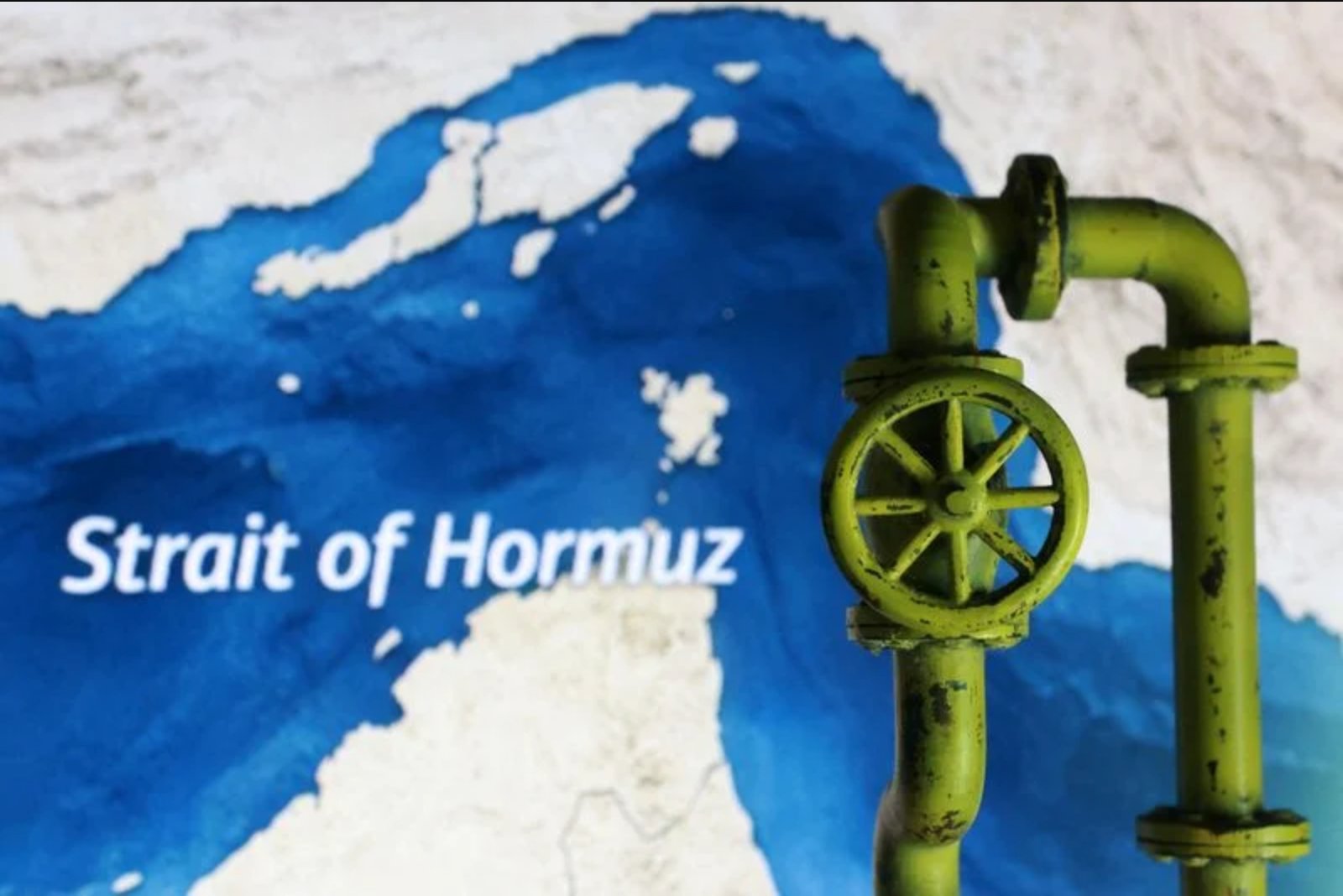
Almost half of the world's oil originates from countries enduring conflict in 2026, according to calculations using International Energy Agency (IEA) data. The concentration of production in battle-affected states has created an unprecedented supply disruption following a series of attacks that began six months ago on Iran by U.S. and Israeli forces.
The initial strikes on Iran have escalated into what is being described as the largest oil supply crisis on record, with no clear resolution in sight. At the same time, the Russia-Ukraine war continues to weigh on output and refining operations. Production and refinery cuts linked to that conflict have extended beyond Russia, prompting reductions in nearby Kazakhstan this year as well.
Additional pressure on global supplies has come from ongoing violence in Libya and U.S. restrictions on Venezuelan oil exports imposed at the start of the year. When combined, the countries affected by these conflicts produced about 45 million barrels per day based on 2025 output, accounting for more than 43% of global supply in the calculations.
These disruptions have also shifted greater dependence onto U.S. oil shipments, although U.S. supplies have at times been interrupted by severe weather. The pattern of disruption is not uniform in time: not all supply interruptions occurred simultaneously. Analysts estimate the current Gulf-related output shortfall is roughly 5 million to 7 million barrels per day, a result of Saudi re-routing of crude to the Red Sea and covert movements of oil out of the Strait of Hormuz by some Gulf exporters.
Risks to global flows remain elevated. Recent attacks in the Red Sea and incidents near Egypt's Suez Canal in July underscored how vulnerable maritime routes are to sudden escalation and how quickly shipping constraints can tighten markets.
Beyond crude production, the conflicts in the Gulf region and Ukraine have trimmed global refining capacity by about a tenth. Ukrainian strikes have targeted a large portion of Russia's refining infrastructure, hitting facilities at significant distances from the frontline, including plants as far away as Omsk, roughly 2,700 km from Ukrainian-held territory.
Russia is now facing domestic fuel shortages and has placed bans on gasoline and diesel exports, a move that further tightens international fuel markets. Higher fuel costs have become a notable driver of inflation, contributing to increased borrowing costs and playing a role in pushing U.S. government debt to a record $40 trillion.
U.S. diesel prices have climbed to record levels even as refiners operate at peak throughput. To alleviate the shock, the IEA released record volumes from emergency stockpiles, but those releases are largely complete and global inventories continue to fall.
Sectors affected: energy production, refining, transportation fuels, and broader financial markets through inflation and borrowing cost channels.