
Overview
Almost half of the world’s oil production in 2025 originated in countries directly affected by conflict, according to calculations based on International Energy Agency data. Combined output from those nations was about 45 million barrels per day, representing more than 43% of global supply.
Six months ago, a series of U.S. and Israeli strikes on Iran initiated what has developed into the largest oil supply crisis on record. There is no clear resolution in sight. At the same time, the Russia-Ukraine war has continued to remove production and refining capacity from global markets, with additional impacts from conflict in Libya and U.S. restrictions on Venezuelan oil exports implemented earlier in the year.
How the disruptions add up
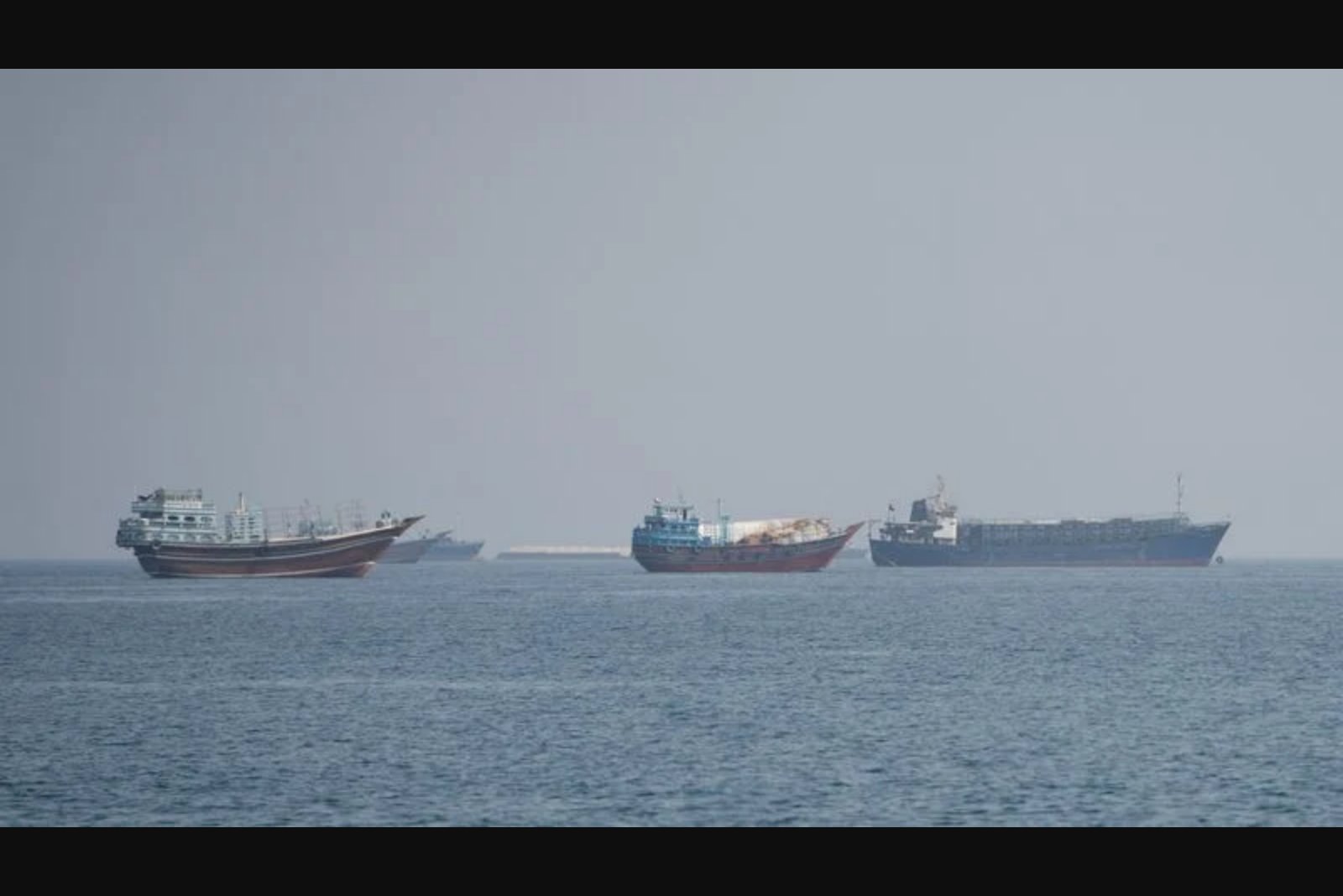
The shocks are cumulative. While they did not all occur simultaneously, their combined effect has been to sharply elevate the share of global oil flows tied to conflict zones. The current disruptions in the Gulf alone are estimated by analysts at roughly 5 million to 7 million barrels per day, as Saudi Arabia reroutes exports away from the Red Sea and some Gulf producers move cargoes covertly out of the Strait of Hormuz.
Shipping-area risks remain significant. Attacks in the Red Sea and incidents near Egypt's Suez Canal in July have highlighted the fragility of maritime routes that are critical to global oil movements.
Refining capacity and fuel markets
Conflicts in the Gulf and Ukraine have also reduced global refining capacity by about a tenth. Ukraine has directly targeted much of Russia's refining infrastructure, including strikes on plants as distant as Omsk, which sits roughly 2,700 km (1,680 miles) from Ukrainian-held territory. In response to tightening domestic supply, Russia has banned gasoline and diesel exports, a move that further constricts international fuel availability.
Those combined pressures have pushed U.S. diesel prices to record levels, even while refiners operate at peak throughput. To temper the shock, the International Energy Agency has released record volumes from emergency stockpiles, but those releases are largely complete and global inventories are continuing to fall.
Wider economic consequences
Higher fuel prices are identified as a significant driver of inflation. That inflation has contributed to higher borrowing costs and is cited as a factor in the rise of U.S. federal debt to a record $40 trillion.
The situation has also increased global reliance on U.S. oil supplies. U.S. production availability has not been immune to disruption either, with severe weather periodically affecting output and transport.
Outlook and constraints
Although emergency releases provided temporary relief, the fact that they are now largely expended leaves fewer ready levers to absorb further supply shocks. The simultaneous combination of reduced refining capacity, export bans, ongoing military activity in producing regions, and attacks on maritime routes keeps downside risks to flows elevated.
Given the breadth of the disruptions and their impact on both crude and refined products, oil, refining, shipping, and inflation-sensitive sectors remain those most directly affected by the current situation.