
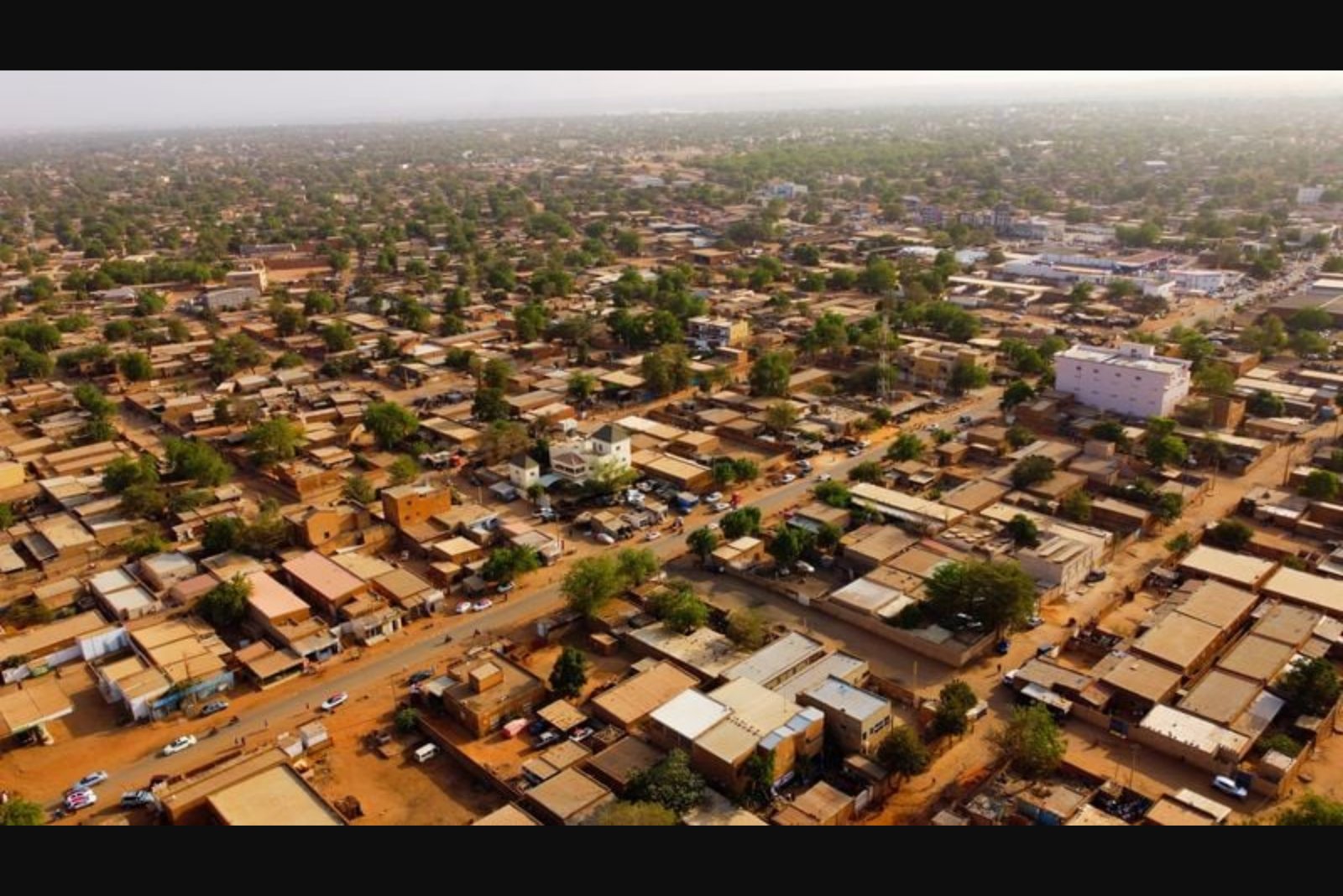
NIAMEY, Aug 29 - Pre-dawn gunfire and explosions erupted across Niger's capital early on Saturday as mutinous soldiers struck at the airport and the presidential palace, briefly silencing state radio and television and plunging Niamey into hours of violence.
State broadcasters resumed transmissions later in the morning and carried a statement saying soldiers from a Niamey base had opened fire on "sensitive sites" in the city. The broadcast added that security forces had reacted swiftly and "contained this disturbance". Despite that official characterization, the situation remained fluid: by 0900 GMT the presidential palace appeared to be under the control of loyalist troops while the airport area was still contested, according to two security sources and a diplomat.
The defence ministry later said that the armed forces were gradually retaking locations seized during the overnight operation. It also referred to an attempt by the mutineers "to detain some of their comrades" at the military airbase, but provided no further detail on the alleged detentions.
A Reuters witness reported heavy explosions near the airport and the military airbase in the pre-dawn hours, noting that Russian and Italian forces are stationed at the latter. By late morning, two security sources said loyalist troops had been sent to regain control of the airport, either through negotiations or the use of force. However, other security sources said mutineers were still present at the airport into the afternoon, and by Saturday night the overall picture had not been fully clarified.
Analysts and security officials indicated the operation involved not only units from Niamey but also soldiers who had come from outside the capital. A Niger security source and Yvan Guichaoua, a senior researcher at the Bonn International Centre for Conflict Studies, said troops from Ouallam, Tera and Dosso in the southwest were part of the mutiny. Troops in that southwestern area have sustained heavy casualties while fighting the regional Islamic State affiliate, according to the sources.
Security analysts pointed to mounting frustration within frontline units as a driver of discontent. Heni Nsaibia, senior analyst for West Africa at Armed Conflict Location & Event Data (ACLED), said the unrest could force the government to reallocate resources. "Just a week ago, some 18 soldiers were killed in an attack on their position in the southern Dosso region. These mass-casualty overrun attacks on the Nigerien military are becoming commonplace and will continue to fuel unrest and aggravate tensions within the army ranks," he said. Nsaibia added that if the mutiny persists, forces that would otherwise be directed against jihadist groups could be diverted to managing domestic instability - and warned that "The jihadist groups will be the only winners in this situation."
Some security observers initially suspected Islamist militants might have been behind the assault, given the method and targets. Earlier this year, affiliates of al Qaeda and Islamic State carried out attacks on both the civilian airport and the military airbase in Niamey, reinforcing concerns about the security of aviation and military facilities in the capital.
The mutiny represents the latest challenge to the authority of Abdourahamane Tiani, who seized power in a coup in 2023. Since taking control, Tiani pledged to improve security in the Sahel nation, which is a major uranium producer, but jihadist attacks have continued. Tiani did not make any public appearances on Saturday.
The Alliance of Sahel States (AES) - comprised of Niger, Mali and Burkina Faso - issued a statement on Saturday night expressing support for Niger's military and saying the mutineers had been thwarted. It was not clear from available information whether Mali or Burkina Faso provided any tangible military assistance to Niger during the events of the day.
Details on the number of troops who entered Niamey in support of the mutiny or their precise deployments inside the capital remained unclear. Sources did report that the operation included soldiers from the southwestern localities named above, areas that have recently borne the brunt of deadly clashes with insurgent groups.
Beyond the immediate security implications, the unrest comes as Niger's authorities have tightened control over the country's uranium sector. The government has seized assets belonging to France's Orano and last week reallocated former Orano and GoviEx uranium permits to state-backed firms under decree. Niger had previously been an important supplier of nuclear fuel to Europe, accounting for about 15% of Orano's uranium supply at full capacity.
Since the 2023 coup that toppled President Mohamed Bazoum, Niger has been governed by military officers who have shifted foreign alignments - moving away from some Western partners, deepening ties with Russia and breaking with the regional ECOWAS bloc to join Mali and Burkina Faso in the AES. Despite pledges from the military rulers to reverse the security situation, like neighboring Burkina Faso and Mali Niger has not managed to halt insurgent advances.
Implications for markets and sectors
The unrest raises questions for sectors directly tied to national stability. The defence and security apparatus is clearly affected as forces are split between confronting insurgencies and addressing internal mutinies. The uranium sector, where the state has recently reasserted control over permits and assets, is also in focus given Niger's role in supplying raw material for nuclear fuel.