
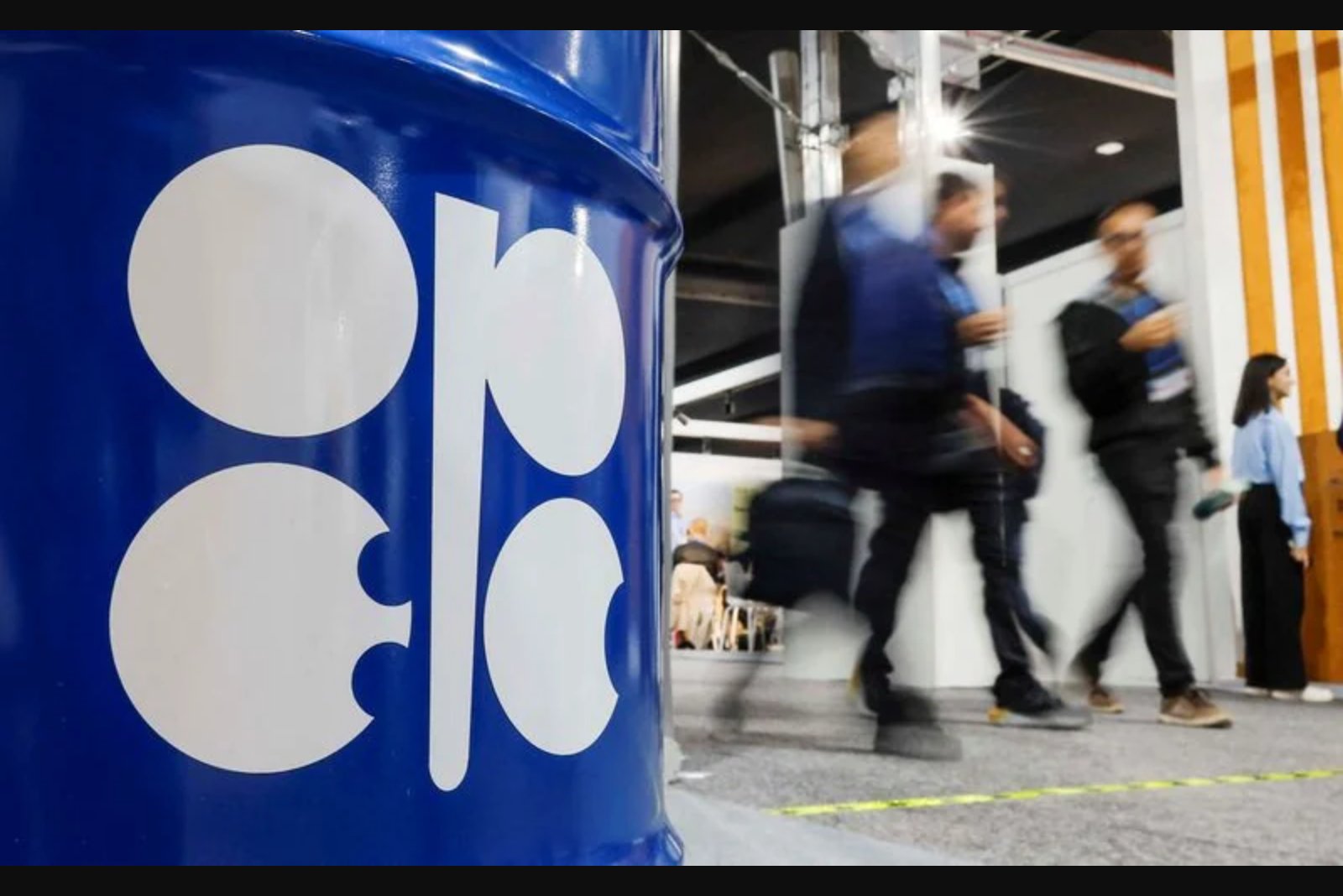
Iraq has entered discussions with OPEC about raising its production quota, the country’s oil minister said, as Baghdad seeks room to expand its energy infrastructure. The request was disclosed on Friday by Basim Mohammed Khudair, the oil minister of OPEC’s second-largest producer, ahead of a set of OPEC+ meetings scheduled for Sunday.
Khudair did not provide a timetable or specific details for when any quota change might take effect. He urged fellow OPEC members to take into account Iraq’s need to develop its oil infrastructure when considering the country’s production ceiling.
"We are conveying to the OPEC member states that Iraq needs to develop its infrastructure," Khudair said. "Therefore, its production ceiling within OPEC should be raised, with special consideration given to its situation."
The ministers from OPEC and allied producers in OPEC+ arrive at Sunday’s meetings with a significant agenda: to review members’ production capacity for the first time and to use those findings as an input when setting output targets for 2027. That process has already encountered friction, with some countries disputing preliminary capacity estimates.
Officials familiar with the review process have indicated that Iraq is unhappy with an initial assessment that put its production capacity at 4.9 million barrels per day. Kazakhstan, another OPEC+ member, is also seeking an upward revision to its assessed capacity.
OPEC+ ministers will hold a sequence of four meetings on Sunday to examine the capacity review and other policy matters. The group has, according to multiple officials, an agreement in principle to leave output targets unchanged in the first quarter of 2027, though that understanding is clouded by ongoing disagreement on capacity data and uncertainty tied to developments in Iran.
Russian Deputy Prime Minister Alexander Novak said earlier in the week that the capacity review would be completed by the end of the year and that ministers meeting on Sunday would be briefed on the review’s progress. The stage of the review to be presented to ministers remains a factor shaping discussions.
Market analysts and consultancies following OPEC+ anticipate limited movement on production targets at the meeting. Oil consultancy Rapidan Energy Group expects ministers to maintain current targets for the meeting, citing the unpredictable duration of the Iran war and its potential impact on crude output and exports.
Independent forecasts further complicate the backdrop. Rystad Energy projects a global oil surplus next year of roughly 5 million barrels per day, equivalent to about 5% of worldwide demand, even on scenarios in which Gulf supplies only partially recover. That outlook creates pressure as OPEC+ weighs production policy for 2027.
The current meeting comes after a period of notable shifts within the OPEC+ framework. The United Arab Emirates left OPEC and OPEC+ months ago to pursue higher production after arguing its quota did not reflect its investments in capacity. Angola exited OPEC at the start of 2024, and Iraq has warned it may follow suit if its quota is not adjusted upward.
With capacity estimates under scrutiny, competing requests for higher ceilings, and an uneven demand-supply outlook, the OPEC+ gatherings this Sunday will focus on reconciling technical assessments with political and economic pressures across member states. The immediate outcome could be limited, with ministers likely to update each other on where the capacity review stands and preserve existing targets for the near term, while debates continue over how to allocate quotas for 2027.
Key stakeholders watching the meetings include national oil companies, international oil firms, trading houses and financial markets that price crude. Their response to any change - or to continued uncertainty - will depend on the detailed capacity assessments and on how member states reconcile competing claims for quota adjustments.