
Overview
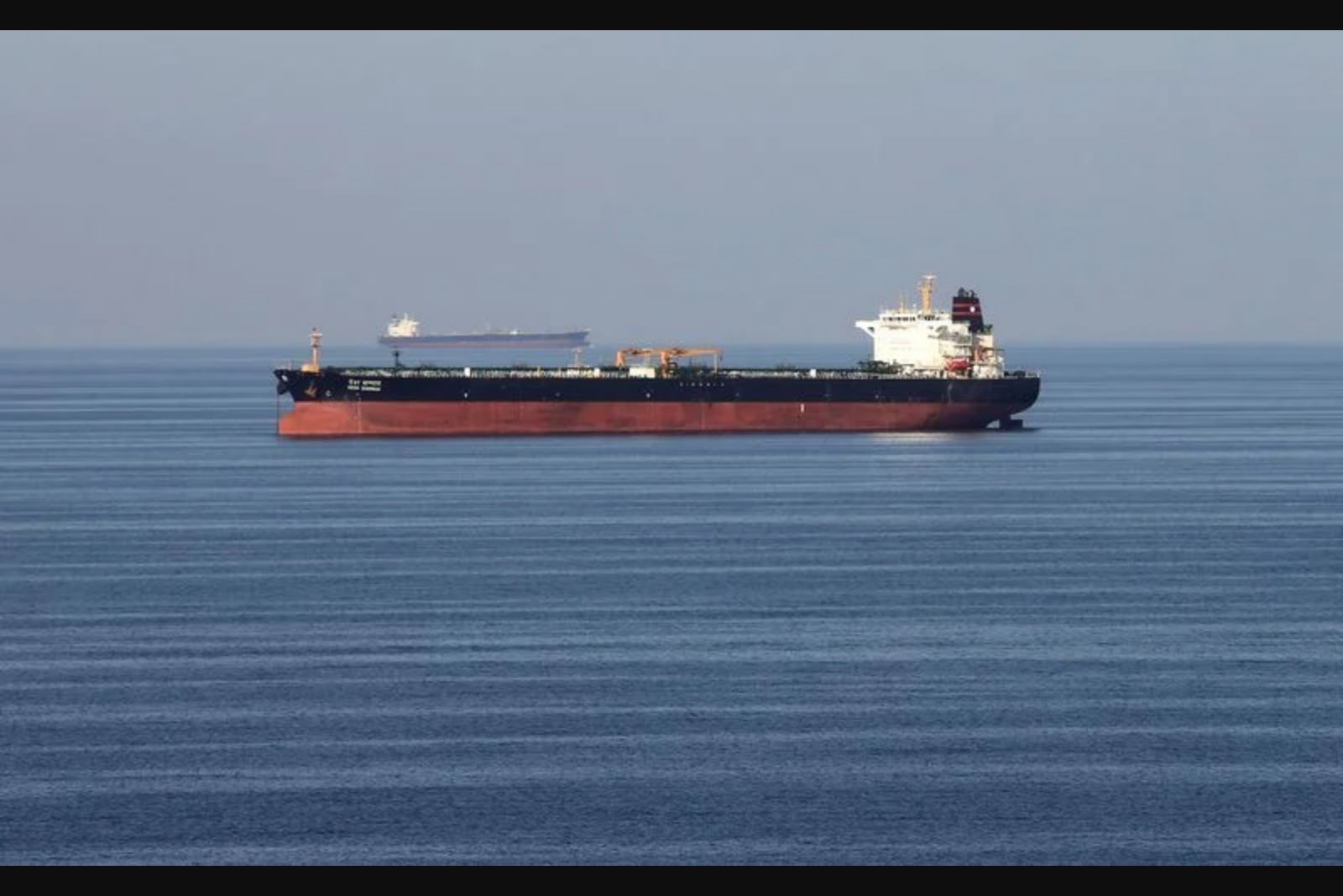
Iran's recently formed Persian Gulf Strait Authority has named 45 tankers as non-compliant with its rules for transiting the Strait of Hormuz, and has warned that those vessels could face financial penalties, detention and cargo confiscation. The authority also said it could add vessels involved in ship-to-ship transfers with the named ships to the blacklist.
Authority statement and scope
The Persian Gulf Strait Authority - set up by Iran to oversee activity in the strait - published the roster on a social platform, saying the named vessels had broken Iran's rules for crossing the waterway. The post did not detail the specific rules the authority was referencing, although Iran has previously asserted that ship-owners must obtain Tehran's clearance to transit the strait and has required payment for security and related services.
The announcement made clear that the consequences for vessels appearing on the list could include fines, detention and seizure of cargo. It also stated that any ship involved in ship-to-ship transfers with the blacklisted vessels could itself be added to the non-compliant list.
Context and recent tensions
The blacklist arrives amid heightened tensions between Iran and the United States. In recent days the United States warned of what it described as the strongest sanctions possible, and Iranian officials warned their response to any new U.S. threats would be "devastating." The rivalry has contributed to disruptions in tanker traffic in the Gulf region.
Separately, the United States has imposed a naval blockade affecting Iran-related shipping. U.S.-coordinated efforts to guide tankers through the Strait of Hormuz have been used to replenish supertankers waiting outside the strait and to help restore some export flows.
U.S. Secretary of Energy Chris Wright stated on the social platform X that the seven-day average of oil leaving the Strait of Hormuz exceeded 8 million barrels per day, and credited U.S. naval operations with ensuring oil continued to flow through the waterway.
Companies and vessels named
The Persian Gulf Strait Authority's list includes a range of vessel types, such as very large crude carriers, liquefied natural gas and liquefied petroleum gas tankers, and clean product ships. Some ships on the list are owned by ADNOC Logistics and Shipping, Navig8 Tankers - a subsidiary of ADNOC - and Saudi Arabia's national carrier Bahri. The roster also names vessels owned by Klaveness Ship Management, Stolt Tankers and South Korea's Sinokor.
The shipping firms did not immediately respond to requests for comment.
How to seek removal
The Persian Gulf Strait Authority said cargo owners should consult an updated list of vessels it deems non-compliant for voyages related to the Gulf. Ships seeking removal from the list must submit a request along with relevant explanations to Iran's maritime authorities, the authority's social post said.
List of vessels on the non-compliance list
- Kiku - 9329796
- Mubaraz - 9074626
- Minoan Pioneer - 9471630
- Hafeet - 9928009
- Al Rekayyat - 9397339
- Wedyan - 9524970
- Cyprus Prosperity - 9595216
- Al Rawdah - 9734513
- Rasheeda - 9443413
- Lebrethah - 9976927
- Lila Vadinar - 9324100
- Maha Roos - 9231004
- Gfs Galaxy - 9401271
- Al Bahyah - 9937799
- Mombasa B - 9739501
- Stolt Magnesium - 9739317
- Al Watan - 9615030
- Navig8 Messi - 9482859
- Singapore Prosperity - 9419967
- Disha - 9250713
- Gaslog Shanghai - 9600528
- Lubna - 9489065
- Hazi 1 - 7802598
- Ryujin - 8206818
- Anna Barbara - 9407500
- Sunbird Arrow - 9323821
- Minoan Dignity - 9294484
- Maria - 9917828
- Kavomaleas - 1042823
- Mardan - 9360453
- Sweden Prosperity - 9588392
- Jarnain - 9823546
- Kaifan - 9656046
- Nissos Kea - 9920758
- Rotterdam Energy - 9508859
- Al Hamra - 9074640
- Umm Al Ashtan - 9074652
- Marigold Lng - 9230062
- Banastar - 9228045
- Navara - 9241798
- Nissos Heraclea - 9419618
- Blue Star 1 - 9215115
- Ashley - 9258466
- Mraweh - 9074638
- Al Lulu - 9583627
Market and flow implications
Before the conflict involving Iran disrupted tanker routes, Gulf producers supplied around 20 percent of the world's daily crude oil and liquefied natural gas. Disruptions in the Strait of Hormuz have therefore had material implications for energy flows. Recent maritime coordination has sought to move tankers through the strait and to fill larger vessels waiting outside, which has helped restore a portion of those export volumes.
The Persian Gulf Strait Authority's action introduces another factor for cargo owners, ship operators and insurers to weigh when planning Gulf voyages. The potential for fines, detention and cargo confiscation - and the possibility that ships engaged in ship-to-ship transfers could be added to the blacklist - increases operational and regulatory uncertainty for vessels operating in or near the strait.
What remains unclear
The authority's post did not itemize the infractions it said had occurred or the procedures by which names were added to the list. It likewise did not specify the timeline or legal process for enforcement beyond indicating that ship-owners could apply for removal with explanations submitted to Iran's maritime authorities.
Those gaps leave exporters, charterers and insurers with limited public detail about how Iran intends to implement the penalties it has threatened.