
Overview
Recent online claims that Kharg Island - a central node for Iran’s oil exports - had been destroyed sparked a jump in oil prices amid heightened tensions. The post, which a U.S. official described as AI-generated and attributed to U.S. President Donald Trump, prompted rebuttals from Iranian officials and a U.S. military statement saying Kharg had not been targeted. This article brings together the main, publicly stated facts on Iran’s energy sector, focusing on Kharg Island, oil production and infrastructure, buyers of Iranian crude, and the South Pars gas field.
Kharg Island: Iran’s export hub under scrutiny
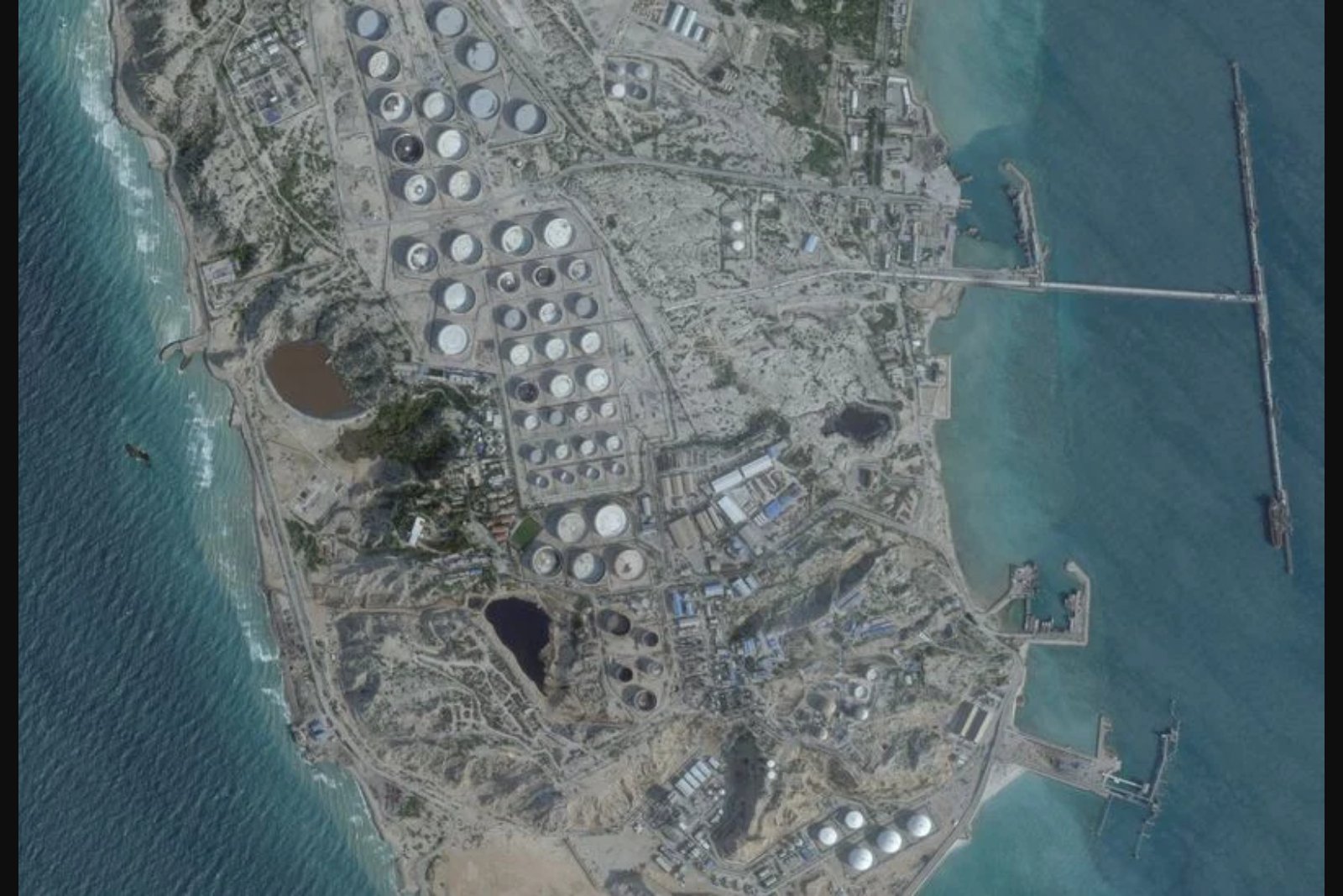
Kharg Island has historically been Iran’s principal facility for crude oil exports. Before the conflict, roughly 90% of Iran’s crude shipments moved through Kharg. The island lies about 16 miles (26 km) off Iran’s coast at the northern end of the Gulf and roughly 300 miles (483 km) northwest of the Strait of Hormuz.
Following the start of a U.S. naval blockade of Iranian oil exports in mid-April, flows from Kharg have been disrupted. Iranian officials, including Hamid Bovard, chief executive of the government-owned National Iranian Oil Company, dismissed the online post as laughable and said conditions on Kharg were calm. According to the Nournews website, which is affiliated with Iran’s top security body, Bovard added that oil operations had not stopped and that workers were engaged in repairing earlier damage and modernising facilities.
A U.S. official told Reuters that the U.S. military had carried out strikes on military targets on Kharg in April, but said those strikes did not affect oil infrastructure. In mid-June, President Trump publicly stated a desire to take over Kharg Island on June 11, but later said a threatened U.S. military operation there was off the table for the time being. This shift came days before Tehran and Washington signed an interim agreement on June 17 aimed at ending the war.
A U.S. attack on Kharg would place additional strain on Iran’s oil industry and broader economy, which is already affected by the naval blockade. Iranian authorities have repeatedly warned that any attack on Kharg could lead to regional escalation. The blockade followed Iran effectively shutting the Strait of Hormuz, a waterway that previously conveyed about one-fifth of the world’s oil supply before the war.
Oil production, refining capacity and recent exports
Iran’s oil production and refining footprint is concentrated in a few provinces and facilities. Oil fields and infrastructure are primarily in Khuzestan province, with gas and condensate production centred in Bushehr province, where the South Pars offshore gas field is located.
According to secondary sources cited by OPEC, Iran pumped 2.48 million barrels per day (bpd) of crude oil in July, nearly unchanged from 2.45 million bpd in June. That output level equates to about 2.5% of global oil production. Consultancy FGE has said Iran’s domestic refineries have capacity to process 2.6 million bpd.
Trade and shipment data tracked by Kpler indicated that in August Iran loaded 251,000 bpd of oil. Kpler’s data also showed that crude stocks held at Kharg Island fell by 550,000 barrels to 19.45 million barrels. Fuel exports, a category that includes LPG, averaged about 820,000 bpd in 2025 according to Kpler, a figure slightly below 2024 levels.
Who purchases Iranian oil?
Private Chinese refiners are the principal buyers of Iranian crude. The U.S. Treasury has imposed sanctions on certain Chinese refiners for purchasing Iranian oil. China has said it does not recognise unilateral sanctions on its trading partners, but its purchases of Iranian crude have declined.
Iran has long used techniques to move oil despite sanctions. These methods include ship-to-ship transfers at sea to mask origins and employing tankers that obscure their positions from satellite tracking. In earlier negotiations with the United States, Tehran’s demands included the lifting of sanctions on Iran and formal recognition of its control over the Strait of Hormuz; those talks have since collapsed.
South Pars: the world-class gas reservoir and recent disruptions
Iran’s natural gas production is heavily tied to the offshore South Pars field, which accounts for about one-third of what is described as the world’s largest gas reservoir. Iran shares this reservoir with Qatar, where the field is known as the North Dome.
Strikes have affected production facilities at South Pars. Iran reported restoring gas output in May at three offshore platforms that had earlier halted production. Sanctions and technical constraints have limited Tehran’s ability to export much of the gas produced from South Pars; the majority is consumed domestically. Data from the Gas Exporting Countries Forum shows Iran’s gas production totalled 276 billion cubic metres in 2024, with 94% of that supply consumed inside Iran.
The entire shared reservoir is estimated to contain about 1,800 trillion cubic feet of usable gas, a volume often cited in industry reporting. Israeli attacks on South Pars were reported this year and last, with fires and some disruption to operations noted.
Concluding context
Claims regarding major damage to Kharg Island have been publicly contested by both Iranian officials and U.S. military statements. Nonetheless, the island’s strategic role in Iran’s export capacity, combined with ongoing naval restrictions, sanctions, and targeted strikes on energy facilities, continues to place Iran’s oil and gas sectors under significant operational pressure. Key production statistics, refinery capacity figures, shipment volumes and gas production totals provide a factual snapshot of the state of Iran’s energy sector as events unfold.